Ceriantus Anemones Green
pachycerianthus magnus
In Stock
Common stock
Wild Caught
Moderate care
With Caution
SKU: ML-MF-0542
Ceriantus Anemones Green are stunning marine invertebrates, known for their vibrant colors and hardy nature.
Pricing for Verified Importers
Log in to see wholesale prices and order.
Export Size
up to 30.0 cm
Origin
Indo-Pacific
Temperature
24.0–28.0°C
Min. Tank Size
100 L
Salinity
28.000–35.000 ppt
pH
8.10–8.40
Diet
carnivore
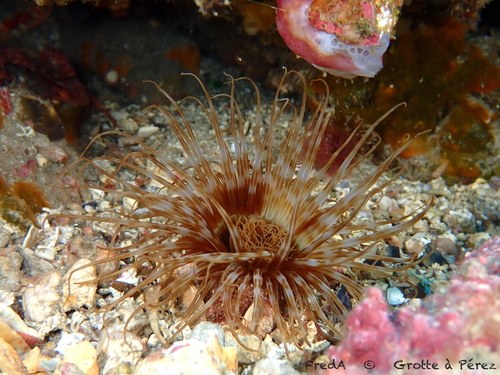
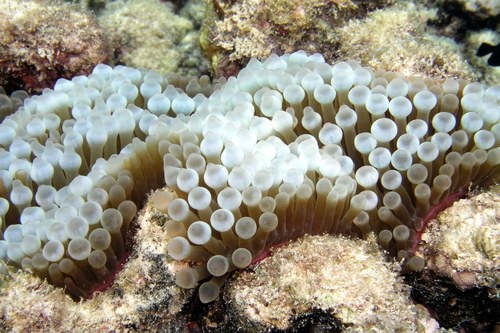
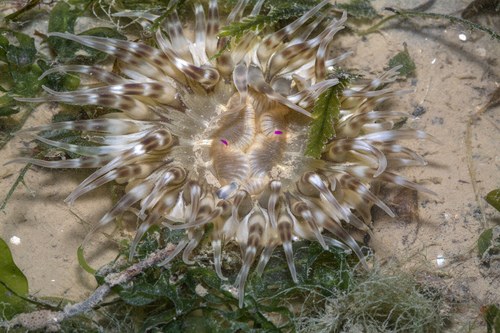
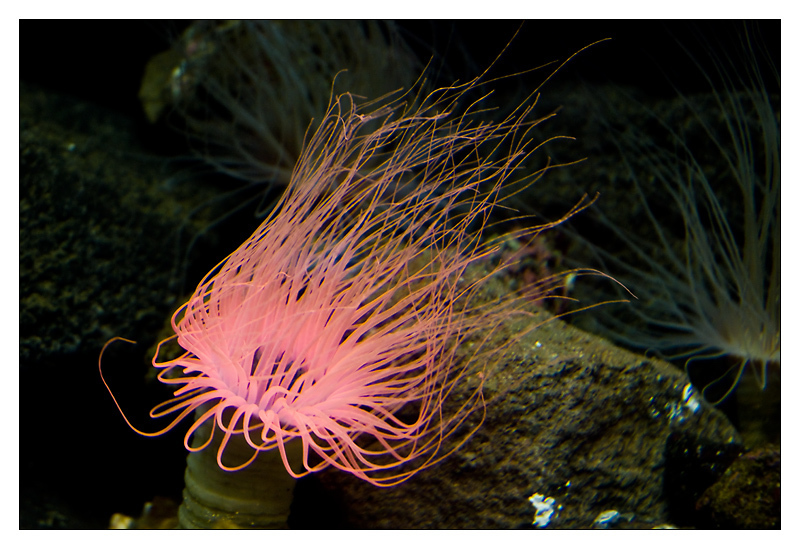
Ceriantus Anemones Green, scientifically known as Pachycerianthus magnus, are striking marine invertebrates found primarily in the Indo-Pacific region. These anemones are characterized by their long, flowing tentacles that exhibit a vibrant green hue, making them a visually captivating addition to any marine aquarium. Their unique coloration comes from symbiotic algae, which not only enhances their appearance but also provides them with essential nutrients through photosynthesis.
In terms of natural history, Ceriantus Anemones can be found in various habitats, including sandy bottoms and rocky substrates, where they burrow into the sediment for protection. They are known to inhabit depths ranging from shallow coastal waters to deeper marine environments, displaying adaptability to different conditions. These anemones exhibit a fascinating behavior; they can retract their tentacles when threatened, and their ability to expand and contract allows them to capture prey effectively.
Ceriantus Anemones Green are typically found in colonies, where they interact with other marine species, contributing to the biodiversity of their ecosystems. Their tentacles are equipped with specialized stinging cells called nematocysts, which they use to immobilize prey, primarily small fish and zooplankton. Despite their predatory nature, they are also known to engage in a symbiotic relationship with certain fish species, providing refuge in exchange for protection.
Overall, these anemones not only enhance the aesthetic value of aquariums with their brilliant colors but also play a significant role in the marine ecosystem, making them a valuable addition for importers and wholesalers alike.
In terms of natural history, Ceriantus Anemones can be found in various habitats, including sandy bottoms and rocky substrates, where they burrow into the sediment for protection. They are known to inhabit depths ranging from shallow coastal waters to deeper marine environments, displaying adaptability to different conditions. These anemones exhibit a fascinating behavior; they can retract their tentacles when threatened, and their ability to expand and contract allows them to capture prey effectively.
Ceriantus Anemones Green are typically found in colonies, where they interact with other marine species, contributing to the biodiversity of their ecosystems. Their tentacles are equipped with specialized stinging cells called nematocysts, which they use to immobilize prey, primarily small fish and zooplankton. Despite their predatory nature, they are also known to engage in a symbiotic relationship with certain fish species, providing refuge in exchange for protection.
Overall, these anemones not only enhance the aesthetic value of aquariums with their brilliant colors but also play a significant role in the marine ecosystem, making them a valuable addition for importers and wholesalers alike.
When caring for Ceriantus Anemones Green, it is essential to maintain optimal water parameters to ensure their health and vitality. The recommended temperature range is between 24°C to 28°C, with a salinity of 28-35 ppt. pH levels should be maintained between 8.1 and 8.4 to mimic their natural habitat. Adequate water circulation is also important to prevent detritus accumulation around the anemones.
Feeding practices should focus on a protein-rich diet, as these anemones are carnivorous. They can be fed a variety of food sources, including small fish, shrimp, and high-quality marine pellets. It is advisable to feed them 2-3 times a week, ensuring that the food is small enough for them to capture with their tentacles.
In terms of compatibility, Ceriantus Anemones can coexist with various marine species but should be kept away from particularly aggressive tank mates. Acclimation is crucial; introduce them slowly to the aquarium environment to minimize stress. A quarantine period of at least two weeks is recommended before adding them to the main tank, allowing for observation and treatment of any potential pathogens. This careful approach helps ensure the health of the anemones and the overall ecosystem of the aquarium.
Feeding practices should focus on a protein-rich diet, as these anemones are carnivorous. They can be fed a variety of food sources, including small fish, shrimp, and high-quality marine pellets. It is advisable to feed them 2-3 times a week, ensuring that the food is small enough for them to capture with their tentacles.
In terms of compatibility, Ceriantus Anemones can coexist with various marine species but should be kept away from particularly aggressive tank mates. Acclimation is crucial; introduce them slowly to the aquarium environment to minimize stress. A quarantine period of at least two weeks is recommended before adding them to the main tank, allowing for observation and treatment of any potential pathogens. This careful approach helps ensure the health of the anemones and the overall ecosystem of the aquarium.
Ceriantus Anemones Green are suitable for shipping due to their hardy nature. It is recommended to pack them with ample water and air to maintain oxygen levels during transit. A temperature range of 22°C to 26°C should be maintained to prevent stress. Due to their non-CITES status, there are no export restrictions, making them an excellent choice for wholesalers looking to diversify their offerings.
Species Parameters
Max Adult Size
30.0 cm
Origin
Indo-Pacific
Diet
carnivore
Temp Min
24.0 °C
Temp Max
28.0 °C
Salinity Min
28.000
Salinity Max
35.000
pH Min
8.10
pH Max
8.40
Min Tank
100 L