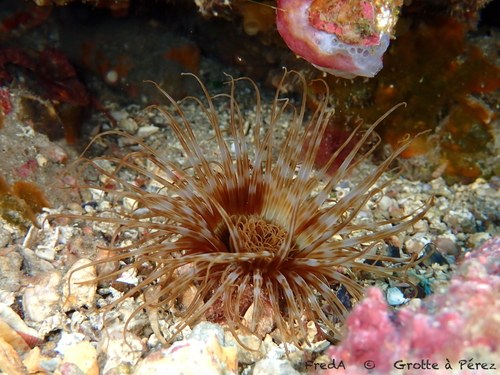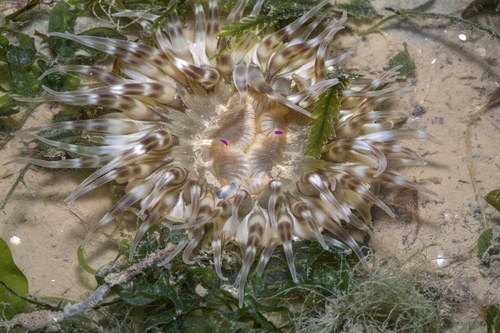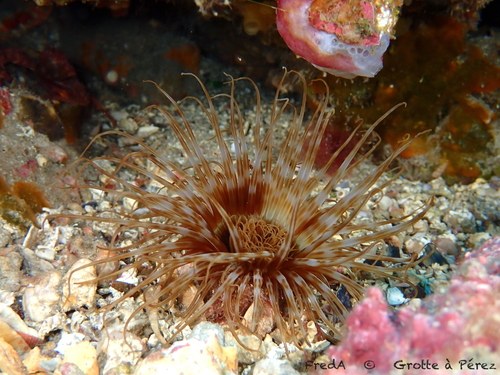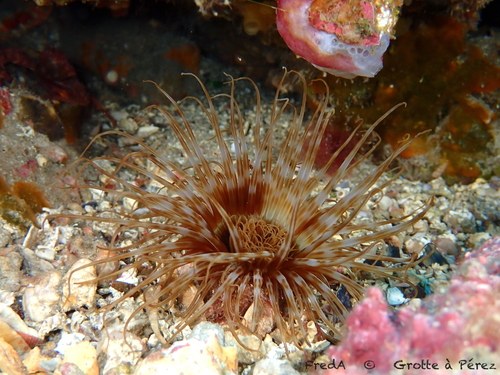
Green Con Anemone Spoted Pink
entacmaea ramsayi
In Stock
Common stock
Wild Caught
Moderate care
With Caution
SKU: ML-MF-0468
The Green Con Anemone Spotted Pink is a vibrant, captivating species perfect for marine enthusiasts.
Pricing for Verified Importers
Log in to see wholesale prices and order.
Export Size
up to 15.0 cm
Origin
Indo-Pacific
Temperature
24.0–28.0°C
Min. Tank Size
50 L
Salinity
1.023–1.025 ppt
pH
8.10–8.40
Diet
carnivore
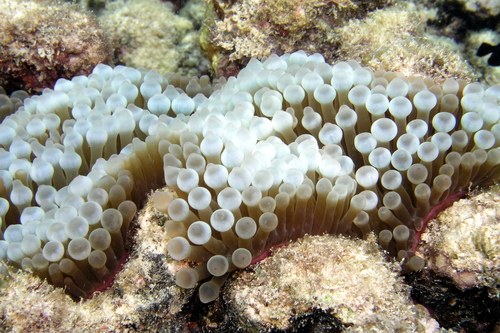
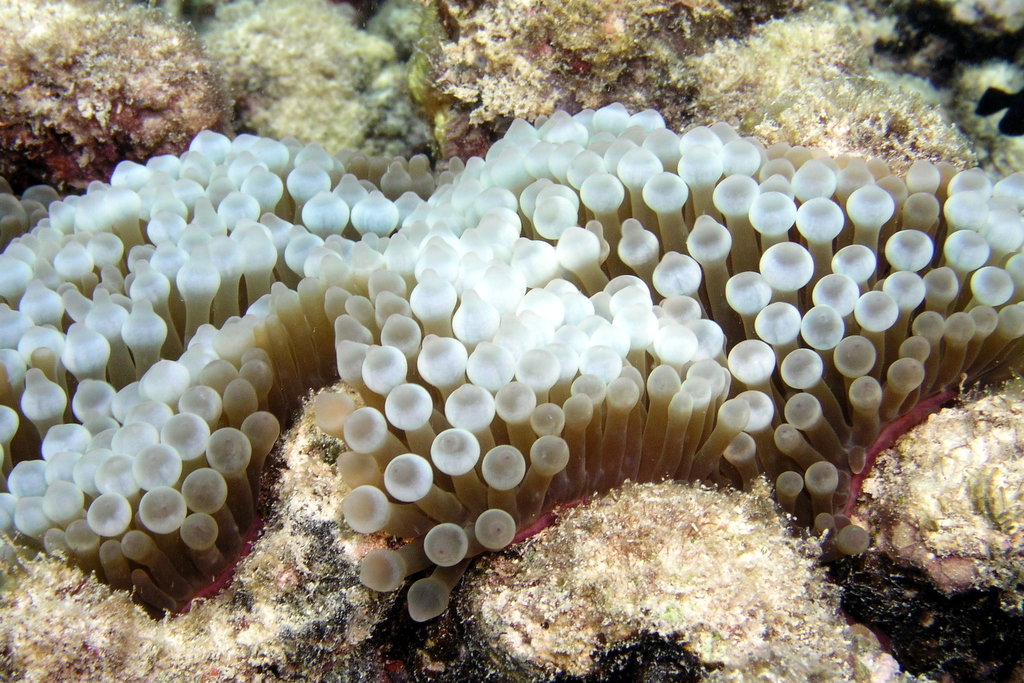
Entacmaea ramsayi, commonly known as the Green Con Anemone Spotted Pink, is a striking marine invertebrate native to the warm waters of the Indo-Pacific region. This species is renowned for its stunning coloration, which features a combination of bright green and soft pink hues, creating a visually appealing centerpiece for any marine aquarium. The anemone's tentacles are adorned with vibrant spots, adding to its allure and making it a favorite among collectors and aquarists alike.
In terms of natural history, the Green Con Anemone Spotted Pink typically inhabits shallow coastal waters, often found in coral reefs where it thrives among live rock and sandy substrates. This anemone forms a symbiotic relationship with various clownfish species, providing them shelter in exchange for protection and nutrients. The unique adaptations of the Green Con Anemone, such as its ability to retract its tentacles when threatened, showcase its evolutionary traits that further enhance its survival in a dynamic marine environment.
Behaviorally, this anemone is known for its relatively peaceful nature, making it suitable for community tanks with compatible species. Its ability to host clownfish not only promotes biodiversity but also provides essential ecological benefits within its habitat. Observing the interactions between the anemone and its clownfish companions offers a fascinating insight into marine symbiosis and the delicate balance of aquatic ecosystems.
Overall, the Green Con Anemone Spotted Pink is not only a stunning addition to any aquarium but also plays a crucial role in maintaining the health and vitality of marine environments. Its captivating appearance and unique biological features make it a valuable species for both hobbyists and commercial aquarists alike.
In terms of natural history, the Green Con Anemone Spotted Pink typically inhabits shallow coastal waters, often found in coral reefs where it thrives among live rock and sandy substrates. This anemone forms a symbiotic relationship with various clownfish species, providing them shelter in exchange for protection and nutrients. The unique adaptations of the Green Con Anemone, such as its ability to retract its tentacles when threatened, showcase its evolutionary traits that further enhance its survival in a dynamic marine environment.
Behaviorally, this anemone is known for its relatively peaceful nature, making it suitable for community tanks with compatible species. Its ability to host clownfish not only promotes biodiversity but also provides essential ecological benefits within its habitat. Observing the interactions between the anemone and its clownfish companions offers a fascinating insight into marine symbiosis and the delicate balance of aquatic ecosystems.
Overall, the Green Con Anemone Spotted Pink is not only a stunning addition to any aquarium but also plays a crucial role in maintaining the health and vitality of marine environments. Its captivating appearance and unique biological features make it a valuable species for both hobbyists and commercial aquarists alike.
To ensure the health and longevity of the Green Con Anemone Spotted Pink, specific water parameters should be maintained. Ideal temperature ranges from 24°C to 28°C, while salinity should be kept between 1.023 and 1.025 ppt. The pH level should be maintained between 8.1 and 8.4. A minimum tank size of 50 liters is recommended to provide ample space for growth and movement, as well as to maintain water quality.
Feeding the Green Con Anemone requires a careful approach. This species is primarily a carnivore, thriving on a diet of small marine organisms, including mysis shrimp, brine shrimp, and finely chopped fish. It is essential to feed them several times a week to replicate their natural feeding behavior. Compatibility is crucial; while they can coexist with clownfish and other non-aggressive species, caution should be exercised with more aggressive tank mates that may harm the anemone.
Acclimation is a vital process when introducing the Green Con Anemone to a new environment. It is recommended to use a slow drip acclimation technique over several hours to minimize stress. A quarantine period of at least two weeks is advisable to ensure the anemone is free from parasites and diseases before introducing it to the display tank. Regular maintenance, including monitoring water parameters and tank cleanliness, will help in sustaining a healthy environment for this beautiful anemone.
Feeding the Green Con Anemone requires a careful approach. This species is primarily a carnivore, thriving on a diet of small marine organisms, including mysis shrimp, brine shrimp, and finely chopped fish. It is essential to feed them several times a week to replicate their natural feeding behavior. Compatibility is crucial; while they can coexist with clownfish and other non-aggressive species, caution should be exercised with more aggressive tank mates that may harm the anemone.
Acclimation is a vital process when introducing the Green Con Anemone to a new environment. It is recommended to use a slow drip acclimation technique over several hours to minimize stress. A quarantine period of at least two weeks is advisable to ensure the anemone is free from parasites and diseases before introducing it to the display tank. Regular maintenance, including monitoring water parameters and tank cleanliness, will help in sustaining a healthy environment for this beautiful anemone.
The Green Con Anemone Spotted Pink is suitable for shipping due to its robust nature when properly acclimated. Packing should be done with care, utilizing insulated containers and adequate oxygen supply to maintain optimal conditions. It is temperature-sensitive, requiring a stable environment during transport, ideally between 24°C and 28°C. There are no specific CITES restrictions for this species, making it easier for exporters to comply with trade regulations.
Species Parameters
Max Adult Size
15.0 cm
Origin
Indo-Pacific
Diet
carnivore
Temp Min
24.0 °C
Temp Max
28.0 °C
Salinity Min
1.023
Salinity Max
1.025
pH Min
8.10
pH Max
8.40
Min Tank
50 L