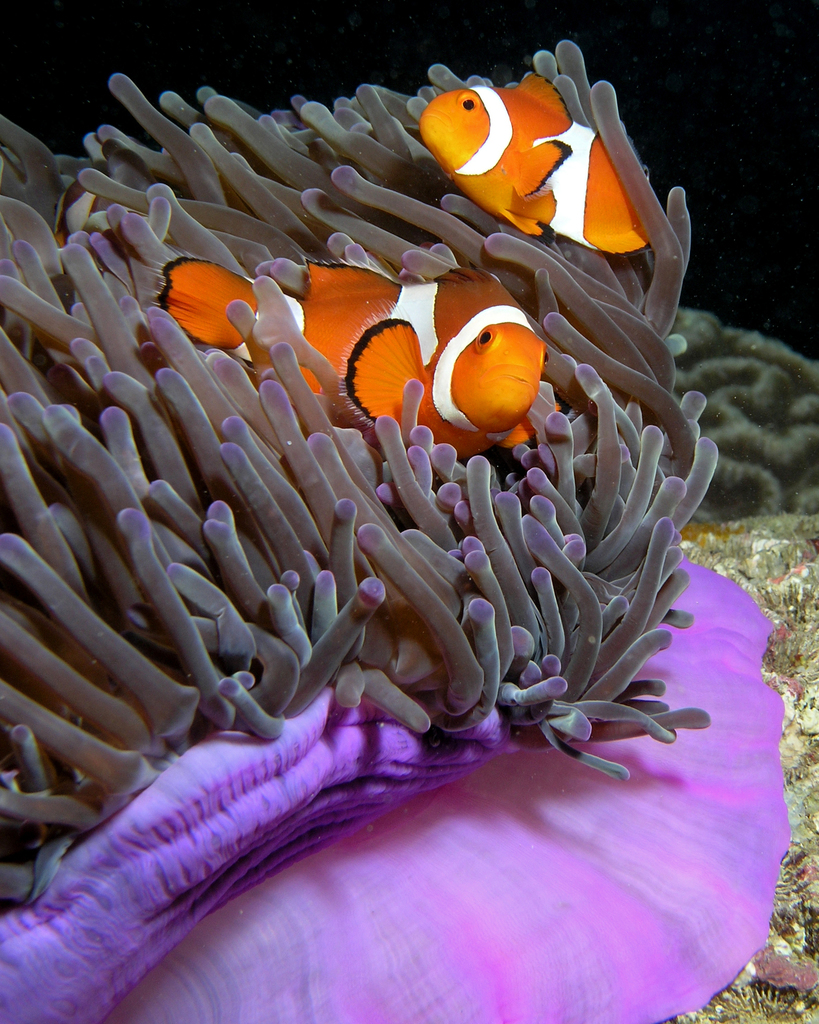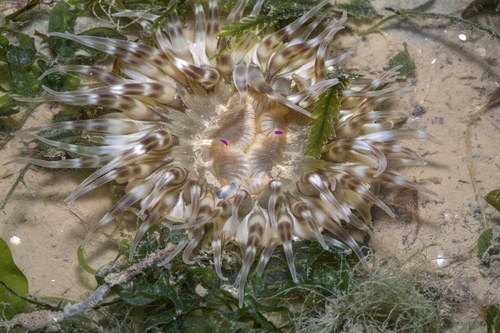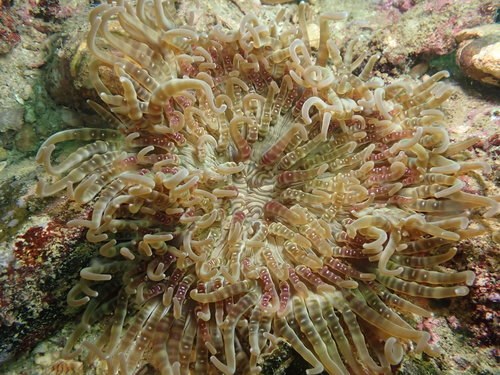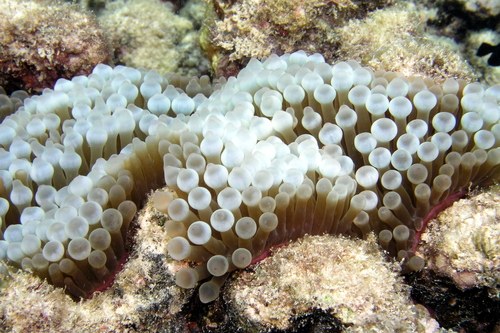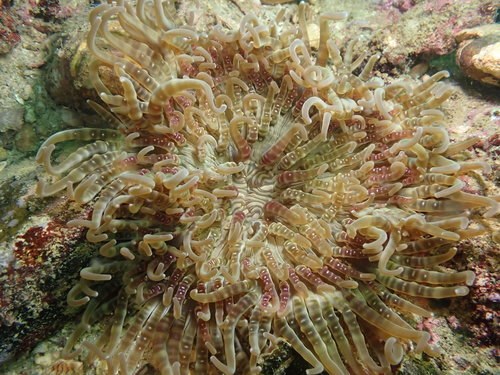
Sand Anemone
Heteractis Crispa
In Stock
Common stock
Wild Caught
Moderate care
SKU: CB-SC-0061
The Sand Anemone (Heteractis Crispa) offers vibrant color and unique symbiosis, making it a prized addition to marine aquariums.
Pricing for Verified Importers
Log in to see wholesale prices and order.
Export Size
up to 30.0 cm
Origin
Indo-Pacific
Temperature
24.0–28.0°C
Min. Tank Size
50 L
pH
7.80–8.50
Diet
carnivore
The Sand Anemone (Heteractis Crispa) is a captivating marine invertebrate known for its stunning appearance and vital role in reef ecosystems. Characterized by its long, flowing tentacles that can vary in color from green to brown and even purple, this anemone provides a beautiful focal point in any aquarium setup. Its ability to form symbiotic relationships with clownfish and other marine species is another fascinating aspect of its natural history, offering mutual benefits between the two.
In its natural habitat, the Sand Anemone typically resides in sandy or rubble substrates, usually found in shallow waters of the Indo-Pacific region. It prefers areas with moderate water flow and adequate light, which supports its photosynthetic algae, zooxanthellae, that live within its tissues. This relationship not only enhances the anemone's color but also provides it with essential nutrients, allowing it to thrive in its ecological niche.
Behaviorally, the Sand Anemone is relatively non-aggressive and can coexist with various species. However, it can retract its tentacles when threatened, showcasing its defensive capabilities. This adaptability makes it a suitable choice for aquarists looking to create a diverse and vibrant marine environment.
Overall, the Sand Anemone is not just an aesthetically pleasing addition to an aquarium but also plays a crucial role in maintaining the health and balance of the reef ecosystem, making it a valuable species for importers and retailers alike.
In its natural habitat, the Sand Anemone typically resides in sandy or rubble substrates, usually found in shallow waters of the Indo-Pacific region. It prefers areas with moderate water flow and adequate light, which supports its photosynthetic algae, zooxanthellae, that live within its tissues. This relationship not only enhances the anemone's color but also provides it with essential nutrients, allowing it to thrive in its ecological niche.
Behaviorally, the Sand Anemone is relatively non-aggressive and can coexist with various species. However, it can retract its tentacles when threatened, showcasing its defensive capabilities. This adaptability makes it a suitable choice for aquarists looking to create a diverse and vibrant marine environment.
Overall, the Sand Anemone is not just an aesthetically pleasing addition to an aquarium but also plays a crucial role in maintaining the health and balance of the reef ecosystem, making it a valuable species for importers and retailers alike.
To ensure the health and vibrancy of the Sand Anemone, maintaining optimal water parameters is crucial. Ideal conditions include a temperature range of 24-28°C and a pH level between 7.8 and 8.5. Since this species is sensitive to poor water quality, regular water changes and filtration are recommended to keep ammonia and nitrite levels low.
Feeding the Sand Anemone involves providing a diet rich in meaty foods such as shrimp, fish, and other marine proteins. It is essential to feed them several times a week to mimic their natural feeding habits. Additionally, offering live food can encourage healthier growth and coloration.
Compatibility is generally good, especially with clownfish, which form symbiotic relationships with these anemones. However, caution should be taken to avoid housing them with aggressive species that may harm or compete for space. Acclimation should be done gradually, introducing the anemone to the aquarium environment slowly to reduce stress.
Lastly, a quarantine period of 2-4 weeks is recommended before introducing the Sand Anemone into a main display tank. This practice helps monitor for any potential diseases and ensures a healthy addition to your aquatic collection.
Feeding the Sand Anemone involves providing a diet rich in meaty foods such as shrimp, fish, and other marine proteins. It is essential to feed them several times a week to mimic their natural feeding habits. Additionally, offering live food can encourage healthier growth and coloration.
Compatibility is generally good, especially with clownfish, which form symbiotic relationships with these anemones. However, caution should be taken to avoid housing them with aggressive species that may harm or compete for space. Acclimation should be done gradually, introducing the anemone to the aquarium environment slowly to reduce stress.
Lastly, a quarantine period of 2-4 weeks is recommended before introducing the Sand Anemone into a main display tank. This practice helps monitor for any potential diseases and ensures a healthy addition to your aquatic collection.
When shipping the Sand Anemone, it is important to ensure proper packing to minimize stress during transit. The ideal temperature range during shipping should be maintained between 22-26°C. Packing density should allow for adequate water circulation while preventing physical damage. This species is not listed under CITES, making it easier for export. Careful monitoring during shipping is essential to ensure the health of the anemones upon arrival.
Species Parameters
Max Adult Size
30.0 cm
Origin
Indo-Pacific
Diet
carnivore
Temp Min
24.0 °C
Temp Max
28.0 °C
pH Min
7.80
pH Max
8.50
Min Tank
50 L