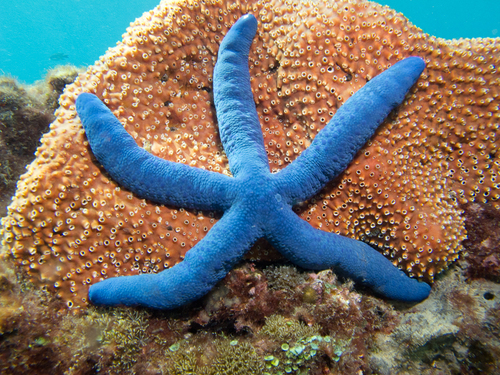
Blue Starfish
Linckia Laevigata
In Stock
Occasional stock
Wild Caught
Moderate care
Reef Safe ✓
SKU: E233
Discover the beauty of the Blue Starfish, a stunning addition to any marine aquarium.
Pricing for Verified Importers
Log in to see wholesale prices and order.
Export Size
up to 40.0 cm
Origin
Indo-Pacific
Temperature
24.0–28.0°C
Min. Tank Size
200 L
Salinity
32.000–35.000 ppt
pH
8.10–8.40
Diet
omnivore
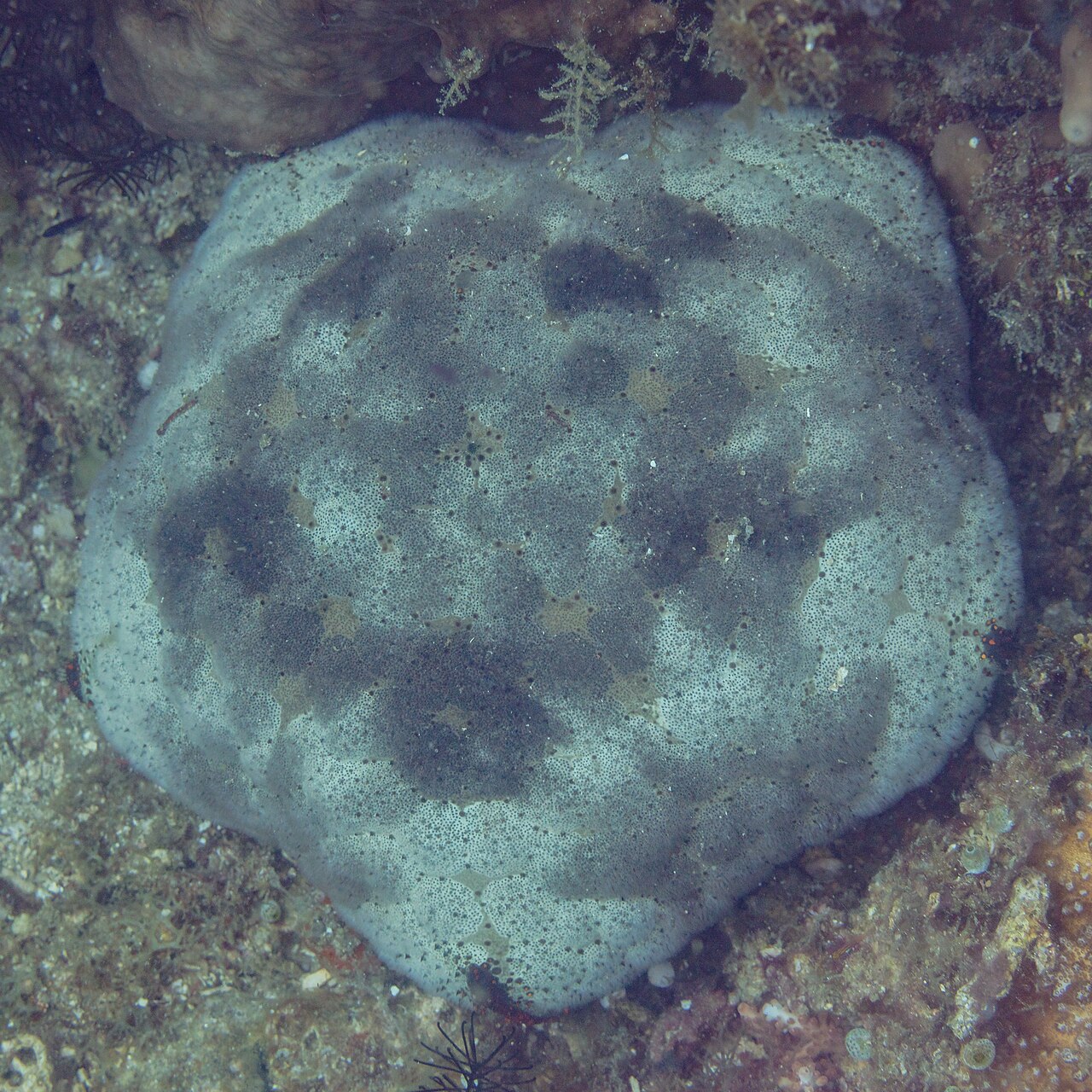
The Blue Starfish (Linckia laevigata) is a captivating marine invertebrate known for its vibrant blue coloration and unique star-shaped form. Native to the warm waters of the Indo-Pacific region, this starfish is not only an aesthetic marvel but also plays a vital role in the ecosystem by participating in the decomposition of organic materials on the ocean floor.
Measuring up to 40 cm in diameter, the Blue Starfish features a soft, smooth texture and five elongated arms that radiate from a central disc. Its bright blue hue can vary based on environmental factors and diet, making each specimen unique. Blue Starfish are primarily found in shallow coral reefs and sandy substrates, where they thrive in their natural habitat, often blending seamlessly into the vibrant underwater landscape.
Behaviorally, the Blue Starfish is relatively docile and spends its days foraging for food and exploring its surroundings. Its diet mainly consists of detritus, algae, and small invertebrates, which it consumes using its unique feeding mechanism. This species is also known for its remarkable ability to regenerate lost arms, a fascinating trait that enhances its survival in the wild.
In addition to their ecological significance, Blue Starfish are increasingly popular in the aquarium trade due to their striking appearance and low maintenance requirements, making them an excellent choice for both novice and experienced aquarists alike.
Measuring up to 40 cm in diameter, the Blue Starfish features a soft, smooth texture and five elongated arms that radiate from a central disc. Its bright blue hue can vary based on environmental factors and diet, making each specimen unique. Blue Starfish are primarily found in shallow coral reefs and sandy substrates, where they thrive in their natural habitat, often blending seamlessly into the vibrant underwater landscape.
Behaviorally, the Blue Starfish is relatively docile and spends its days foraging for food and exploring its surroundings. Its diet mainly consists of detritus, algae, and small invertebrates, which it consumes using its unique feeding mechanism. This species is also known for its remarkable ability to regenerate lost arms, a fascinating trait that enhances its survival in the wild.
In addition to their ecological significance, Blue Starfish are increasingly popular in the aquarium trade due to their striking appearance and low maintenance requirements, making them an excellent choice for both novice and experienced aquarists alike.
To ensure the health and well-being of Blue Starfish in captivity, it is essential to maintain stable water parameters. Ideal conditions include a temperature range of 24-28°C, a pH level between 8.1-8.4, and salinity levels of 32-35 ppt. Providing a well-established aquarium with plenty of hiding places and live rock will help replicate their natural environment and reduce stress.
Feeding should be done 2-3 times a week, using a diet that includes algae wafers, spirulina, and finely chopped meaty foods such as shrimp or fish. Blue Starfish are generally peaceful and can coexist with a variety of tank mates, although caution should be exercised with aggressive species that may pose a threat.
Acclimation should be performed carefully; drip acclimation is recommended to minimize stress. Allow the starfish to adjust slowly to the new environment. Quarantine new arrivals for at least two weeks before introducing them to a main display tank to prevent the spread of diseases. Regular monitoring and maintenance will ensure a thriving habitat for this beautiful species.
Feeding should be done 2-3 times a week, using a diet that includes algae wafers, spirulina, and finely chopped meaty foods such as shrimp or fish. Blue Starfish are generally peaceful and can coexist with a variety of tank mates, although caution should be exercised with aggressive species that may pose a threat.
Acclimation should be performed carefully; drip acclimation is recommended to minimize stress. Allow the starfish to adjust slowly to the new environment. Quarantine new arrivals for at least two weeks before introducing them to a main display tank to prevent the spread of diseases. Regular monitoring and maintenance will ensure a thriving habitat for this beautiful species.
Blue Starfish are suitable for shipping, provided they are packed securely to prevent injury. It is recommended to maintain a packing density of 1 starfish per liter of water during transport. These invertebrates are sensitive to temperature fluctuations, so shipping should be conducted in temperature-controlled environments, ideally between 24-28°C. Currently, Blue Starfish do not have a CITES status, making them a compliant choice for export.
Species Parameters
Max Adult Size
40.0 cm
Origin
Indo-Pacific
Habitat
reef
Diet
omnivore
Temp Min
24.0 °C
Temp Max
28.0 °C
Salinity Min
32.000
Salinity Max
35.000
pH Min
8.10
pH Max
8.40
Min Tank
200 L