CITES App. II
Ordinary Devil’s Hand
Lobophytum spp.
In Stock
Common stock
Aquacultured
Easy care
Reef Safe ✓
SKU: CRLOBOordina
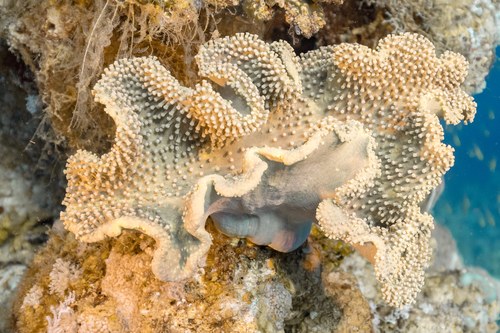
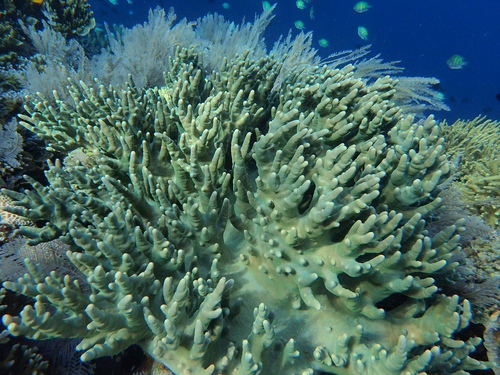
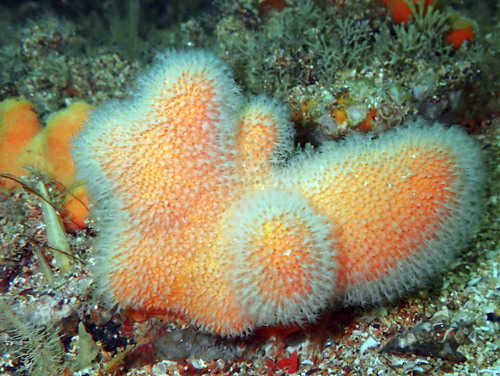
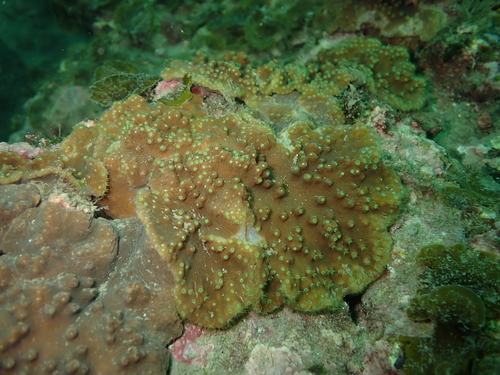
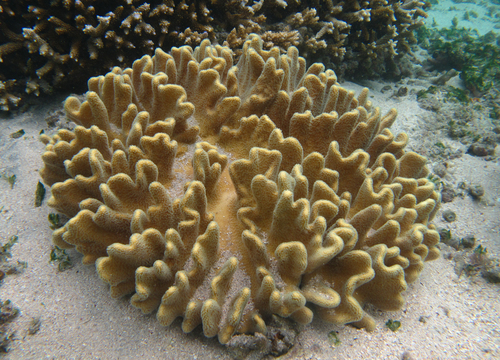
The Ordinary Devil’s Hand (Lobophytum spp.) showcases stunning textures and colors, making it a popular choice for aquarists.
Pricing for Verified Importers
Log in to see wholesale prices and order.
Origin
Coral Triangle
Temperature
24.0–28.0°C
Min. Tank Size
100 L
Salinity
1.023–1.025 ppt
pH
8.10–8.40
The Ordinary Devil’s Hand, belonging to the Lobophytum genus, is a soft coral species renowned for its striking appearance and adaptability. Characterized by its fleshy, finger-like polyps, this coral can display a range of colors from soft yellows to deep greens, often with intricate patterns. Its unique morphology allows it to sway gently with water currents, creating a mesmerizing effect in any aquarium setting.
In its natural habitat, the Ordinary Devil’s Hand is typically found in shallow reef environments, where it thrives in the warm, nutrient-rich waters of the Coral Triangle. This species plays a critical role in the reef ecosystem, providing shelter and food for various marine organisms. Its ability to adapt to different light conditions makes it a favorite among aquarium enthusiasts, as it can flourish in both low and moderate light levels.
Behaviorally, the Ordinary Devil’s Hand exhibits both passive and aggressive traits, as it can release allelopathic substances to compete with neighboring corals for space and resources. This adaptive behavior is crucial for its survival in the competitive reef environment. The coral also has a symbiotic relationship with zooxanthellae, photosynthetic algae that live within its tissues, providing essential nutrients through photosynthesis.
Overall, the Ordinary Devil’s Hand is not only visually appealing but also ecologically significant, contributing to the biodiversity and stability of coral reef ecosystems. Its resilience and adaptability make it an excellent addition to marine aquariums, enhancing both aesthetic and ecological value.
In its natural habitat, the Ordinary Devil’s Hand is typically found in shallow reef environments, where it thrives in the warm, nutrient-rich waters of the Coral Triangle. This species plays a critical role in the reef ecosystem, providing shelter and food for various marine organisms. Its ability to adapt to different light conditions makes it a favorite among aquarium enthusiasts, as it can flourish in both low and moderate light levels.
Behaviorally, the Ordinary Devil’s Hand exhibits both passive and aggressive traits, as it can release allelopathic substances to compete with neighboring corals for space and resources. This adaptive behavior is crucial for its survival in the competitive reef environment. The coral also has a symbiotic relationship with zooxanthellae, photosynthetic algae that live within its tissues, providing essential nutrients through photosynthesis.
Overall, the Ordinary Devil’s Hand is not only visually appealing but also ecologically significant, contributing to the biodiversity and stability of coral reef ecosystems. Its resilience and adaptability make it an excellent addition to marine aquariums, enhancing both aesthetic and ecological value.
To ensure the health and vitality of the Ordinary Devil’s Hand, maintaining optimal water parameters is crucial. The ideal temperature range for this species is 24°C to 28°C, with a salinity level of 1.023 to 1.025 ppt. The pH should be maintained between 8.1 and 8.4 to mimic its natural reef environment. It is recommended to provide a minimum tank volume of 100 liters to allow enough space for growth and stability.
Feeding the Ordinary Devil’s Hand is relatively straightforward, as it primarily relies on photosynthesis through its symbiotic zooxanthellae. However, supplementing its diet with liquid coral foods or phytoplankton can enhance its growth and coloration. Compatibility is generally good with other soft corals, but caution should be taken when placing it near aggressive species that may outcompete it for space.
Acclimation should be gradual to prevent stress; introduce the coral to the aquarium slowly, ensuring that water parameters match those of the transport environment. Quarantine is recommended for new arrivals to monitor for any potential pests or diseases before introducing them to the main display tank. Regular monitoring and maintenance will help in achieving a thriving coral environment.
Feeding the Ordinary Devil’s Hand is relatively straightforward, as it primarily relies on photosynthesis through its symbiotic zooxanthellae. However, supplementing its diet with liquid coral foods or phytoplankton can enhance its growth and coloration. Compatibility is generally good with other soft corals, but caution should be taken when placing it near aggressive species that may outcompete it for space.
Acclimation should be gradual to prevent stress; introduce the coral to the aquarium slowly, ensuring that water parameters match those of the transport environment. Quarantine is recommended for new arrivals to monitor for any potential pests or diseases before introducing them to the main display tank. Regular monitoring and maintenance will help in achieving a thriving coral environment.
The Ordinary Devil’s Hand is suitable for shipping, provided that proper packing techniques are employed. It should be packed with sufficient water and air to prevent damage during transit. The optimal shipping temperature is between 24°C and 28°C, and care should be taken to avoid prolonged exposure to extreme temperatures. As a non-CITES species, there are no additional export restrictions for this coral.
Species Parameters
Origin
Coral Triangle
Habitat
reef
Temp Min
24.0 °C
Temp Max
28.0 °C
Salinity Min
1.023
Salinity Max
1.025
pH Min
8.10
pH Max
8.40
Min Tank
100 L