CITES App. II
Yellow Finger Soft Coral/Dyed
Sinularia Asterolobata
In Stock
Common stock
Wild Caught
Moderate care
Reef Safe ✓
SKU: CB-SC-0041
The Yellow Finger Soft Coral adds a vibrant touch to reef aquariums with its unique coloration and resilience.
Pricing for Verified Importers
Log in to see wholesale prices and order.
Export Size
up to 30.0 cm
Origin
Coral Triangle
Temperature
24.0–28.0°C
Min. Tank Size
100 L
Salinity
1.023–1.025 ppt
pH
8.10–8.40
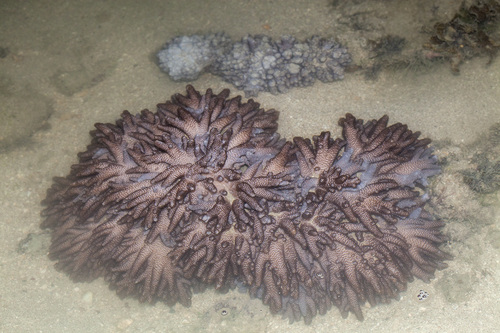
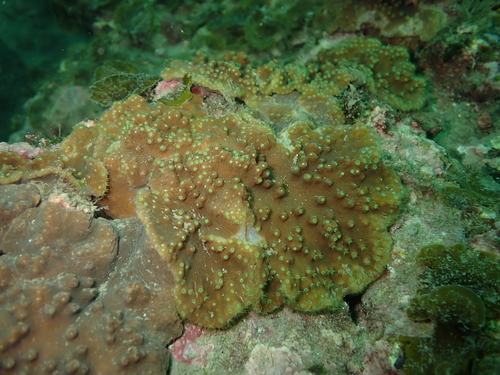
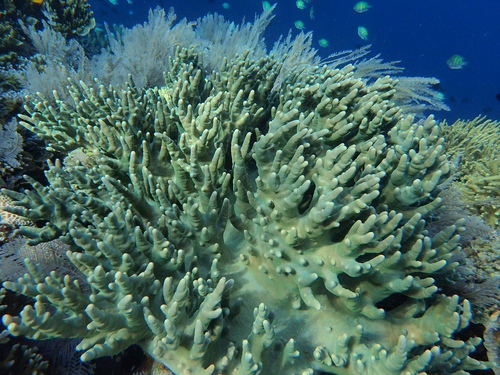
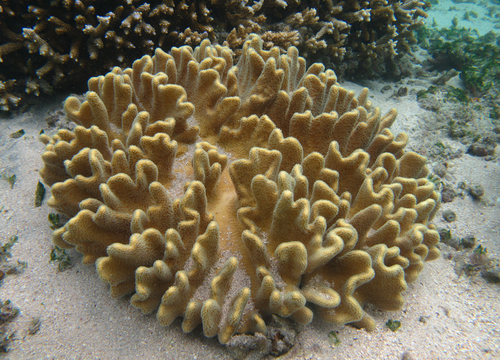
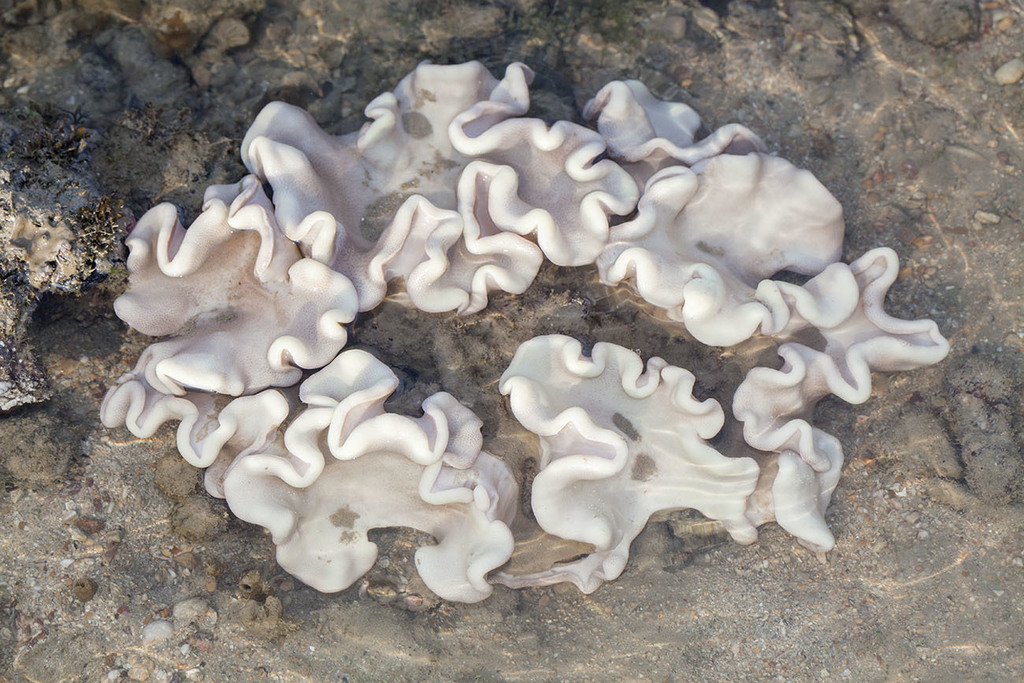
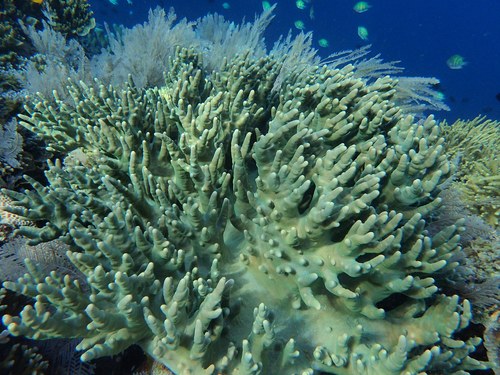
Sinularia asterolobata, commonly known as the Yellow Finger Soft Coral, is a captivating species found in the warm waters of the Coral Triangle. This coral is characterized by its distinctive yellow coloration and finger-like projections, which create an eye-catching display in any aquarium setting. Unlike many stony corals, Yellow Finger Soft Coral is a soft coral, allowing it to sway gracefully with the currents, adding dynamic movement to the reef environment.
In terms of natural history, this species thrives in shallow, tropical waters, often found in areas with moderate to strong water flow. It typically grows on rocky substrates, forming colonies that can expand over time. The Yellow Finger Soft Coral is known for its ability to adapt to various light conditions, making it suitable for a range of aquascaping setups. Its resilience and adaptability make it a popular choice among aquarists.
Behaviorally, Sinularia asterolobata is relatively peaceful and can coexist with various marine species in a community tank. It has a symbiotic relationship with zooxanthellae, which provides it with essential nutrients through photosynthesis. This relationship allows the coral to thrive in aquariums with adequate lighting while also benefiting from the nutrients available in the water column.
The habitat of Yellow Finger Soft Coral is primarily along reef slopes and in shallow lagoons, where it can receive sufficient light and water movement. These corals are often seen in vibrant clusters, contributing to the overall biodiversity of reef ecosystems. Their striking appearance and low-maintenance requirements make them an excellent choice for both novice and experienced aquarists alike.
In terms of natural history, this species thrives in shallow, tropical waters, often found in areas with moderate to strong water flow. It typically grows on rocky substrates, forming colonies that can expand over time. The Yellow Finger Soft Coral is known for its ability to adapt to various light conditions, making it suitable for a range of aquascaping setups. Its resilience and adaptability make it a popular choice among aquarists.
Behaviorally, Sinularia asterolobata is relatively peaceful and can coexist with various marine species in a community tank. It has a symbiotic relationship with zooxanthellae, which provides it with essential nutrients through photosynthesis. This relationship allows the coral to thrive in aquariums with adequate lighting while also benefiting from the nutrients available in the water column.
The habitat of Yellow Finger Soft Coral is primarily along reef slopes and in shallow lagoons, where it can receive sufficient light and water movement. These corals are often seen in vibrant clusters, contributing to the overall biodiversity of reef ecosystems. Their striking appearance and low-maintenance requirements make them an excellent choice for both novice and experienced aquarists alike.
To ensure the health and vitality of Yellow Finger Soft Coral, maintaining optimal water parameters is crucial. The ideal temperature range is between 24°C and 28°C, with a salinity of 1.023 to 1.025 ppt. The pH should be maintained between 8.1 and 8.4. Regular water changes and monitoring of water quality will help prevent issues such as algae overgrowth and disease.
Feeding Yellow Finger Soft Coral involves providing a balanced diet of plankton and other small particulate foods. Additionally, they benefit from light, so providing moderate to high lighting conditions will enhance their growth and coloration. Compatibility with other marine species is generally good, but care should be taken to avoid aggressive tank mates that may harm the coral.
Acclimation is an essential process when introducing this coral to a new tank. It is recommended to use the drip acclimation method over a period of several hours to minimize stress. Quarantine is advisable for new arrivals to ensure they are free from pests and diseases before introducing them to the main display tank, helping maintain the overall health of your aquarium system.
Feeding Yellow Finger Soft Coral involves providing a balanced diet of plankton and other small particulate foods. Additionally, they benefit from light, so providing moderate to high lighting conditions will enhance their growth and coloration. Compatibility with other marine species is generally good, but care should be taken to avoid aggressive tank mates that may harm the coral.
Acclimation is an essential process when introducing this coral to a new tank. It is recommended to use the drip acclimation method over a period of several hours to minimize stress. Quarantine is advisable for new arrivals to ensure they are free from pests and diseases before introducing them to the main display tank, helping maintain the overall health of your aquarium system.
Yellow Finger Soft Coral is suitable for shipping due to its hardy nature, but care must be taken during transport. Packing density should allow for adequate space and water circulation to prevent damage. The optimal shipping temperature is between 20°C and 25°C. This species is not listed under CITES and is therefore not subject to trade restrictions.
Species Parameters
Max Adult Size
30.0 cm
Origin
Coral Triangle
Temp Min
24.0 °C
Temp Max
28.0 °C
Salinity Min
1.023
Salinity Max
1.025
pH Min
8.10
pH Max
8.40
Min Tank
100 L