CITES App. II
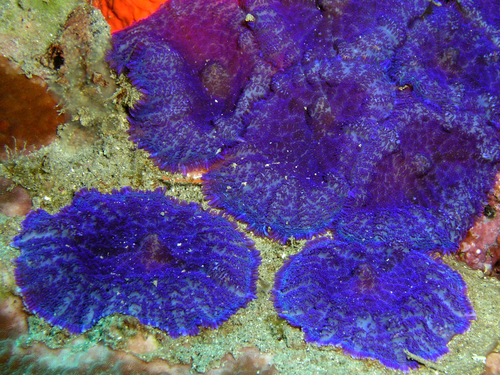
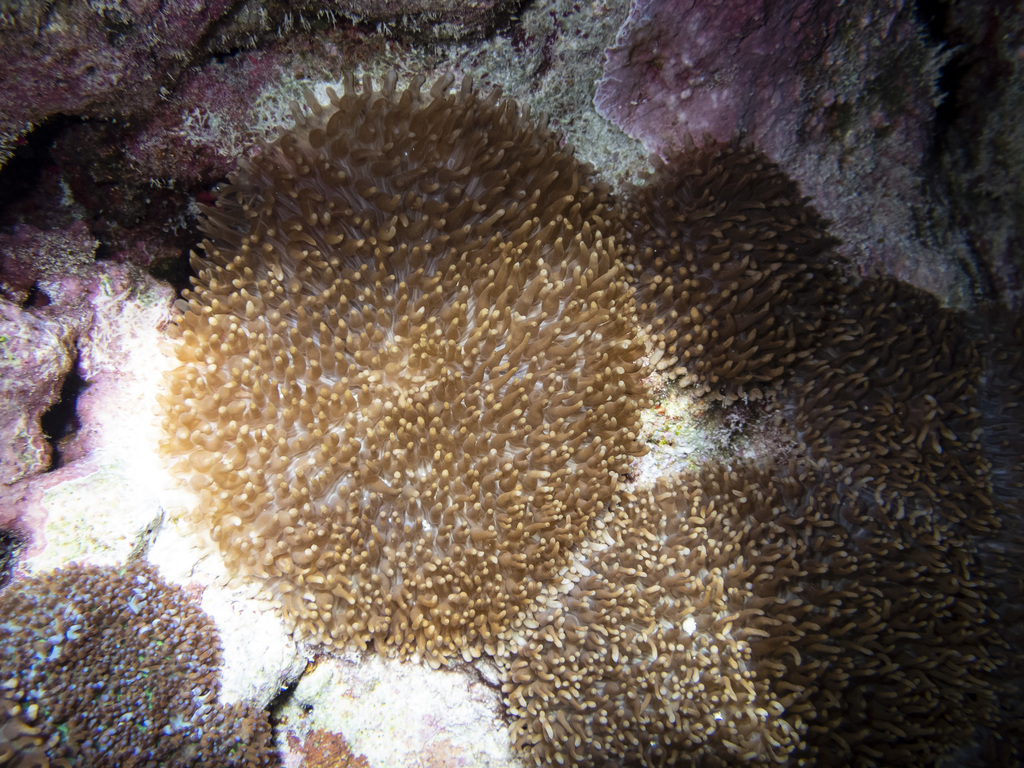
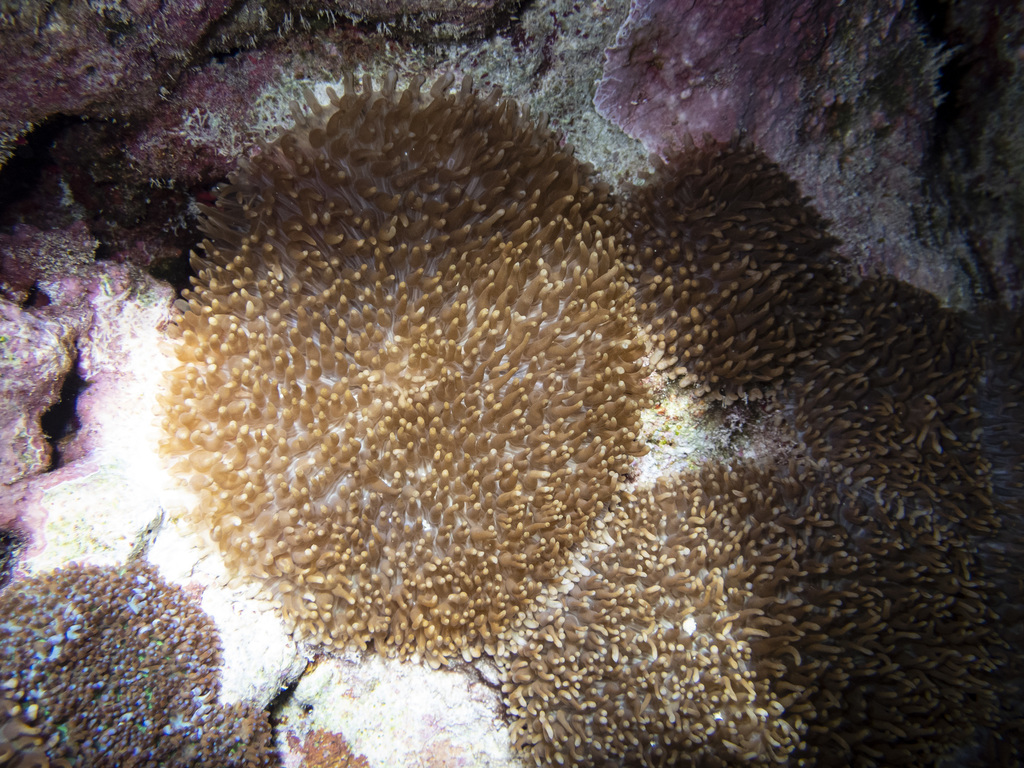
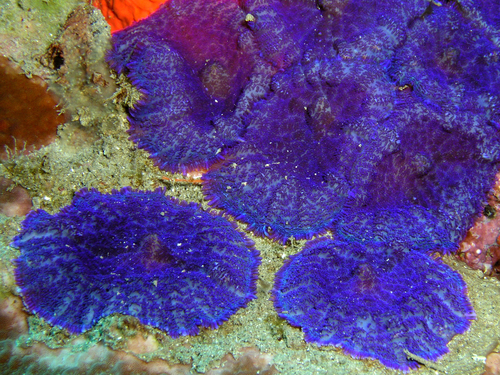
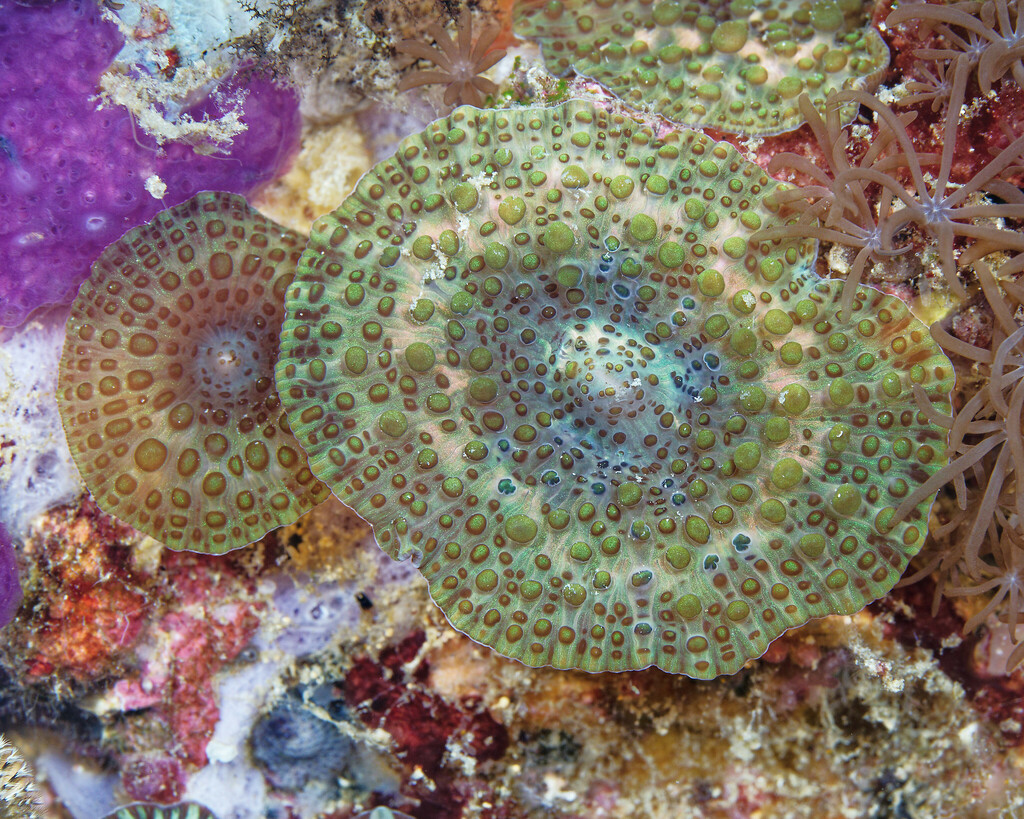
Lampung's Big Eye Mushroom Green Metallic / leaf
Discosoma sp.
In Stock
Common stock
Aquacultured
Easy care
Reef Safe ✓
SKU: CRDISClampun2
Discover the vibrant beauty of Lampung's Big Eye Mushroom, a stunning coral species.
Pricing for Verified Importers
Log in to see wholesale prices and order.
Export Size
up to 20.0 cm
Origin
Southeast Asia
Temperature
24.0–28.0°C
Min. Tank Size
100 L
Salinity
1.023–1.025 ppt
pH
8.10–8.40
Lampung's Big Eye Mushroom (Discosoma sp.) is a captivating coral species native to the rich underwater ecosystems of Southeast Asia. This remarkable coral is known for its striking green metallic coloration, which can add a vibrant touch to any marine aquarium. With its fleshy, disk-like body, it exhibits a unique morphology that differentiates it from other corals, making it an eye-catching addition for both enthusiasts and commercial aquarists alike.
In its natural habitat, Lampung's Big Eye Mushroom thrives in shallow waters, often found in reef environments where it benefits from the symbiotic relationship with zooxanthellae, the photosynthetic algae residing within its tissues. This relationship not only provides energy to the coral but also contributes to its stunning coloration. The species exhibits a fascinating behavior of expanding and contracting its body to optimize light exposure and feeding conditions, showcasing its adaptive capabilities within various marine environments.
Lampung's Big Eye Mushroom is generally a hardy species, making it suitable for both novice and experienced aquarists. Its resilience allows it to withstand a range of environmental conditions, although it prefers stable water parameters. This coral can often be found in colonies, creating a striking visual effect on the reef. As a slow-growing species, it requires time to reach its full potential, rewarding caretakers with its long-lasting beauty and vibrant presence in the aquarium.
This coral species plays a vital role in the ecosystem, providing habitat for various marine organisms and contributing to the overall biodiversity of reef systems. Its unique aesthetics and ecological importance make Lampung's Big Eye Mushroom a prized specimen for aquarium importers and wholesalers looking to enhance their offerings with exceptional marine life.
In its natural habitat, Lampung's Big Eye Mushroom thrives in shallow waters, often found in reef environments where it benefits from the symbiotic relationship with zooxanthellae, the photosynthetic algae residing within its tissues. This relationship not only provides energy to the coral but also contributes to its stunning coloration. The species exhibits a fascinating behavior of expanding and contracting its body to optimize light exposure and feeding conditions, showcasing its adaptive capabilities within various marine environments.
Lampung's Big Eye Mushroom is generally a hardy species, making it suitable for both novice and experienced aquarists. Its resilience allows it to withstand a range of environmental conditions, although it prefers stable water parameters. This coral can often be found in colonies, creating a striking visual effect on the reef. As a slow-growing species, it requires time to reach its full potential, rewarding caretakers with its long-lasting beauty and vibrant presence in the aquarium.
This coral species plays a vital role in the ecosystem, providing habitat for various marine organisms and contributing to the overall biodiversity of reef systems. Its unique aesthetics and ecological importance make Lampung's Big Eye Mushroom a prized specimen for aquarium importers and wholesalers looking to enhance their offerings with exceptional marine life.
For optimal care of Lampung's Big Eye Mushroom, maintaining stable water parameters is crucial. Ideal temperatures range between 24°C to 28°C, with a pH between 8.1 and 8.4. Salinity should be kept within 1.023 to 1.025 ppt to mimic its natural habitat. Regular monitoring of water quality is essential, as fluctuations can affect the health of the coral.
Feeding this species involves a combination of light availability and supplemental feeding. While it relies on photosynthesis through its symbiotic algae, occasional feeding with high-quality coral foods can enhance its growth and coloration. Ensure compatibility with tank mates, as Lampung's Big Eye Mushroom can be sensitive to aggressive species. It can thrive in both mixed and reef tanks, provided there is adequate space to prevent physical contact with other corals.
When acclimating, use a slow drip method over several hours to minimize stress. Quarantine is recommended for new arrivals to prevent the introduction of pests or diseases. This coral can adapt to various lighting conditions, but moderate to high light levels usually yield the best results. Regular maintenance, including cleaning and monitoring for algae growth, will help ensure the long-term health of Lampung's Big Eye Mushroom in your aquarium.
Feeding this species involves a combination of light availability and supplemental feeding. While it relies on photosynthesis through its symbiotic algae, occasional feeding with high-quality coral foods can enhance its growth and coloration. Ensure compatibility with tank mates, as Lampung's Big Eye Mushroom can be sensitive to aggressive species. It can thrive in both mixed and reef tanks, provided there is adequate space to prevent physical contact with other corals.
When acclimating, use a slow drip method over several hours to minimize stress. Quarantine is recommended for new arrivals to prevent the introduction of pests or diseases. This coral can adapt to various lighting conditions, but moderate to high light levels usually yield the best results. Regular maintenance, including cleaning and monitoring for algae growth, will help ensure the long-term health of Lampung's Big Eye Mushroom in your aquarium.
Lampung's Big Eye Mushroom is suitable for shipping due to its hardiness. When packing, ensure adequate space to prevent physical damage, with a recommended density of one coral per bag. Maintain temperatures between 20°C and 25°C during transit, as extreme temperatures can stress the coral. This species is not listed under CITES, allowing for streamlined export processes.
Species Parameters
Max Adult Size
20.0 cm
Origin
Southeast Asia
Habitat
reef
Temp Min
24.0 °C
Temp Max
28.0 °C
Salinity Min
1.023
Salinity Max
1.025
pH Min
8.10
pH Max
8.40
Min Tank
100 L