CITES App. II
Mixed Mushroom/polyp Metalic L
Actinodiscus sp.
In Stock
Common stock
Aquacultured
Easy care
Reef Safe ✓
SKU: CRACTImixed
Discover the vibrant beauty of Mixed Mushroom/polyp Metalic L, a stunning coral species from Bali.
Pricing for Verified Importers
Log in to see wholesale prices and order.
Export Size
up to 30.0 cm
Origin
Coral Triangle
Temperature
24.0–28.0°C
Min. Tank Size
100 L
Salinity
33.000–35.000 ppt
pH
8.10–8.40
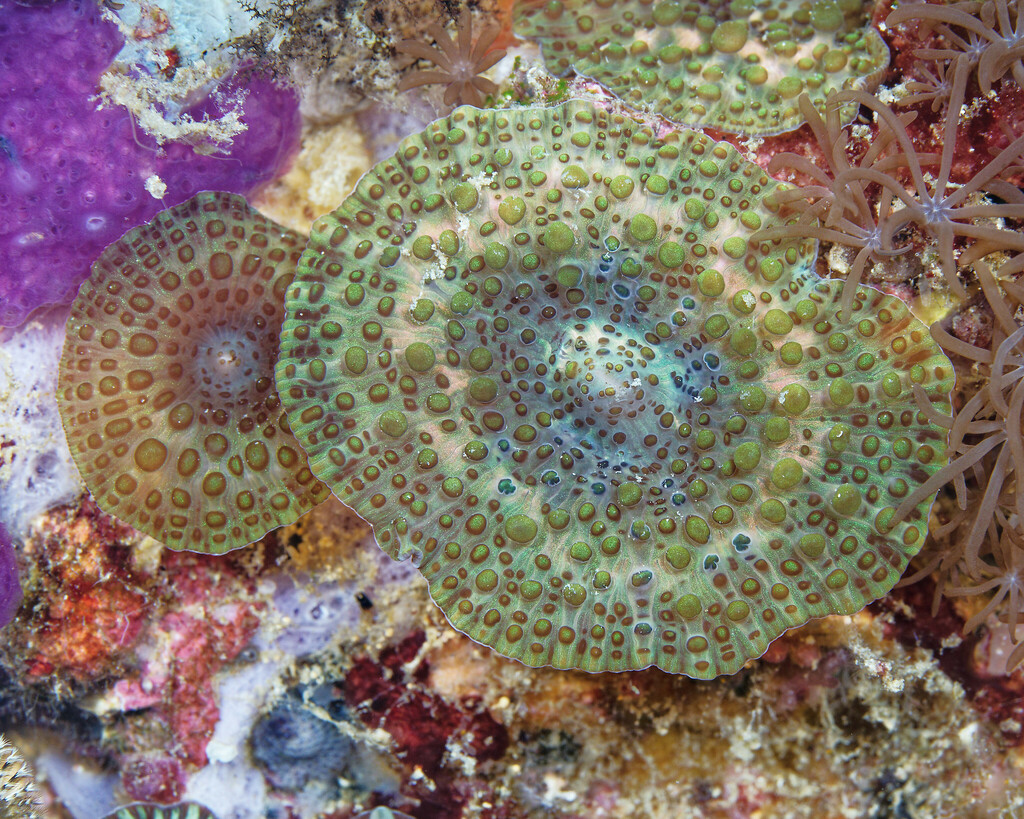
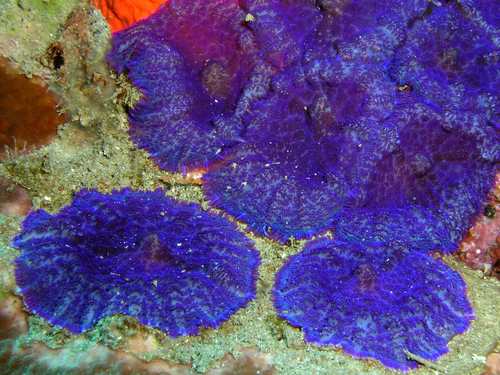
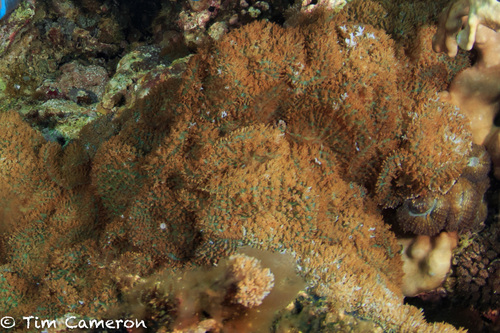
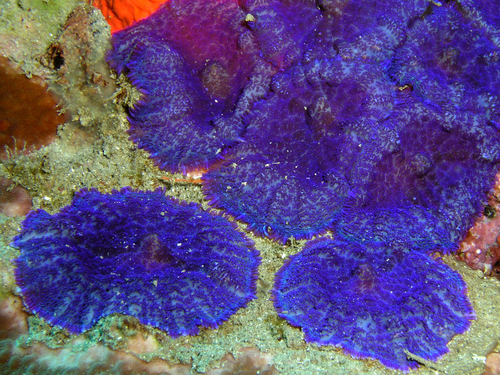
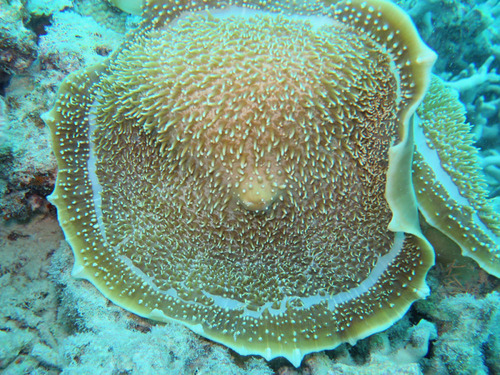
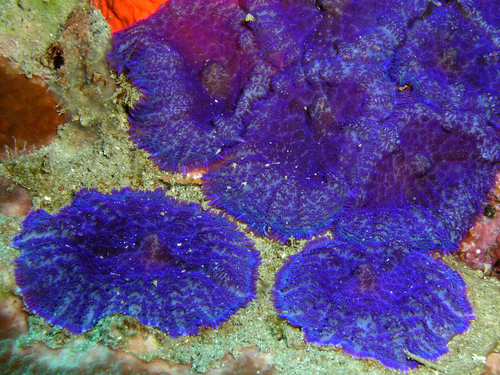
Actinodiscus sp., commonly known as Mixed Mushroom/polyp Metalic L, is a captivating coral species native to the coral reefs of Bali, Indonesia. This unique coral is known for its brilliant metallic colors, which can range from deep blues to vivid greens and purples. These colors are not only visually striking but also serve as a reminder of the biodiverse ecosystems they inhabit. As a sessile organism, it attaches itself to the substrate, forming a crucial part of the reef structure and providing habitat for various marine organisms.
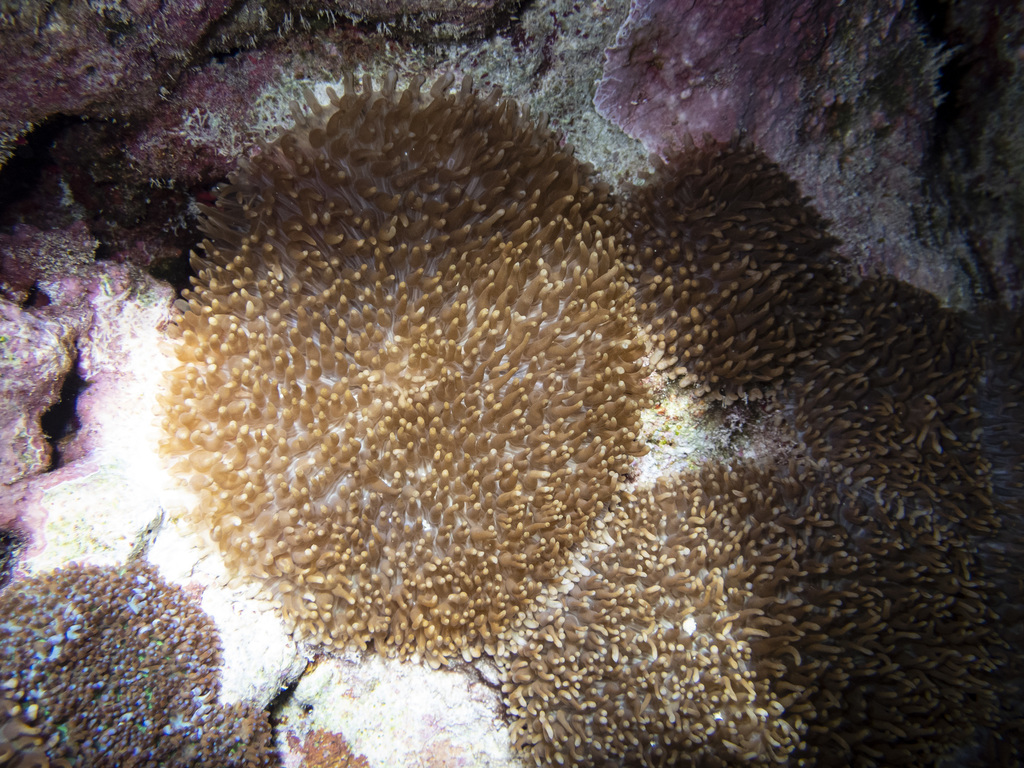
In terms of appearance, Mixed Mushroom/polyp Metalic L features a rounded shape with multiple polyps that create a soft, inviting surface. Each polyp can expand and contract, displaying a remarkable range of colors depending on environmental conditions. The texture of the coral is smooth, and it can vary in size, with some specimens reaching impressive diameters. Their vibrant hues are attributed to the symbiotic relationship with zooxanthellae, microscopic algae that provide nutrients through photosynthesis.
Behaviorally, these corals are relatively peaceful and can coexist with a variety of marine species. They exhibit a unique feeding mechanism, utilizing their tentacles to capture plankton and small organic matter from the water column. This adaptability allows them to thrive in diverse environments, although they primarily prefer shallow, well-lit waters where light penetration is optimal for their symbiotic algae.
Mixed Mushroom/polyp Metalic L can typically be found in the Coral Triangle, where coral biodiversity is at its peak. This region provides the ideal conditions for their growth, including warm waters, stable salinity, and plenty of light. Their presence is essential to reef health, offering protection to juvenile fish and serving as a food source for various marine creatures, thus playing a vital role in the ecological balance of their habitat.
In terms of appearance, Mixed Mushroom/polyp Metalic L features a rounded shape with multiple polyps that create a soft, inviting surface. Each polyp can expand and contract, displaying a remarkable range of colors depending on environmental conditions. The texture of the coral is smooth, and it can vary in size, with some specimens reaching impressive diameters. Their vibrant hues are attributed to the symbiotic relationship with zooxanthellae, microscopic algae that provide nutrients through photosynthesis.
Behaviorally, these corals are relatively peaceful and can coexist with a variety of marine species. They exhibit a unique feeding mechanism, utilizing their tentacles to capture plankton and small organic matter from the water column. This adaptability allows them to thrive in diverse environments, although they primarily prefer shallow, well-lit waters where light penetration is optimal for their symbiotic algae.
Mixed Mushroom/polyp Metalic L can typically be found in the Coral Triangle, where coral biodiversity is at its peak. This region provides the ideal conditions for their growth, including warm waters, stable salinity, and plenty of light. Their presence is essential to reef health, offering protection to juvenile fish and serving as a food source for various marine creatures, thus playing a vital role in the ecological balance of their habitat.
For successful cultivation of Mixed Mushroom/polyp Metalic L, it is crucial to maintain stable water parameters. The ideal temperature range is between 24°C to 28°C, with a salinity level of approximately 1.023 to 1.025 ppt. pH levels should be kept between 8.1 and 8.4 to ensure optimal health. Regular water changes and the use of high-quality filtration will help maintain water quality, which is vital for the well-being of this coral.
Feeding these corals is essential to their growth and color vibrancy. While they have a symbiotic relationship with zooxanthellae, providing supplemental feeding with high-quality coral food or phytoplankton 2-3 times a week can enhance their health. It’s also essential to ensure compatibility with other tank inhabitants, as they can be sensitive to aggressive species that may harm them.
Acclimation is a critical process when introducing Mixed Mushroom/polyp Metalic L to a new environment. A slow acclimation over several hours is recommended to minimize stress. Quarantine is also advisable for new arrivals to prevent the introduction of pests or diseases into established systems. Providing a stable environment will significantly increase the chances of successful growth and longevity of this beautiful coral.
Feeding these corals is essential to their growth and color vibrancy. While they have a symbiotic relationship with zooxanthellae, providing supplemental feeding with high-quality coral food or phytoplankton 2-3 times a week can enhance their health. It’s also essential to ensure compatibility with other tank inhabitants, as they can be sensitive to aggressive species that may harm them.
Acclimation is a critical process when introducing Mixed Mushroom/polyp Metalic L to a new environment. A slow acclimation over several hours is recommended to minimize stress. Quarantine is also advisable for new arrivals to prevent the introduction of pests or diseases into established systems. Providing a stable environment will significantly increase the chances of successful growth and longevity of this beautiful coral.
Mixed Mushroom/polyp Metalic L is suitable for shipping with proper care. It should be packed in insulated containers to maintain stable temperatures during transport. A packing density of 1-2 corals per liter is recommended to ensure adequate space and water quality during transit. This species is moderately temperature-sensitive, so maintaining a shipping temperature between 24°C and 26°C is critical. There are no CITES restrictions for this species, allowing for straightforward export processes.
Species Parameters
Max Adult Size
30.0 cm
Origin
Coral Triangle
Habitat
reef
Temp Min
24.0 °C
Temp Max
28.0 °C
Salinity Min
33.000
Salinity Max
35.000
pH Min
8.10
pH Max
8.40
Min Tank
100 L