CITES App. II
RED-ish mushroom
Actinodiscus sp.
In Stock
Common stock
Aquacultured
Easy care
Reef Safe ✓
SKU: CRACTIredis
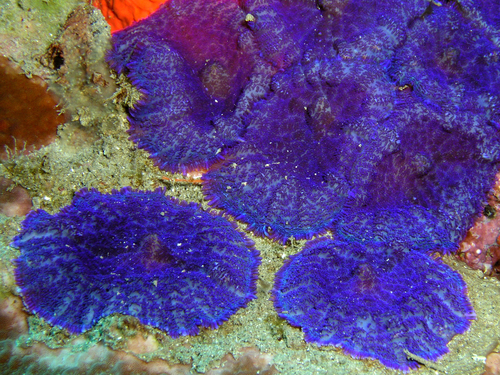
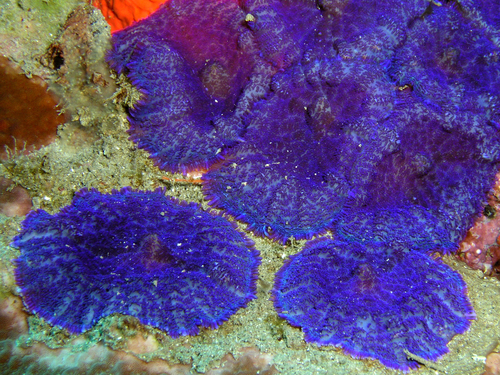
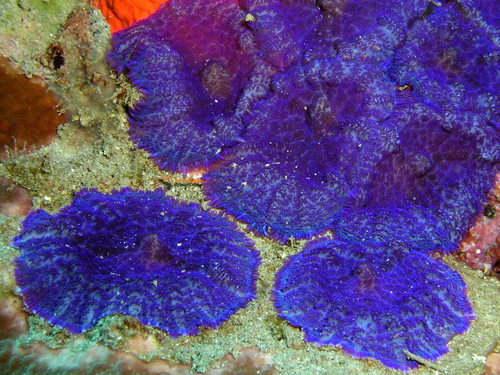
The RED-ish mushroom (Actinodiscus sp.) is a vibrant, hardy coral that adds stunning color to any reef tank.
Pricing for Verified Importers
Log in to see wholesale prices and order.
Export Size
up to 15.0 cm
Origin
Coral Triangle
Temperature
24.0–28.0°C
Min. Tank Size
100 L
Salinity
1.020–1.025 ppt
pH
8.10–8.40
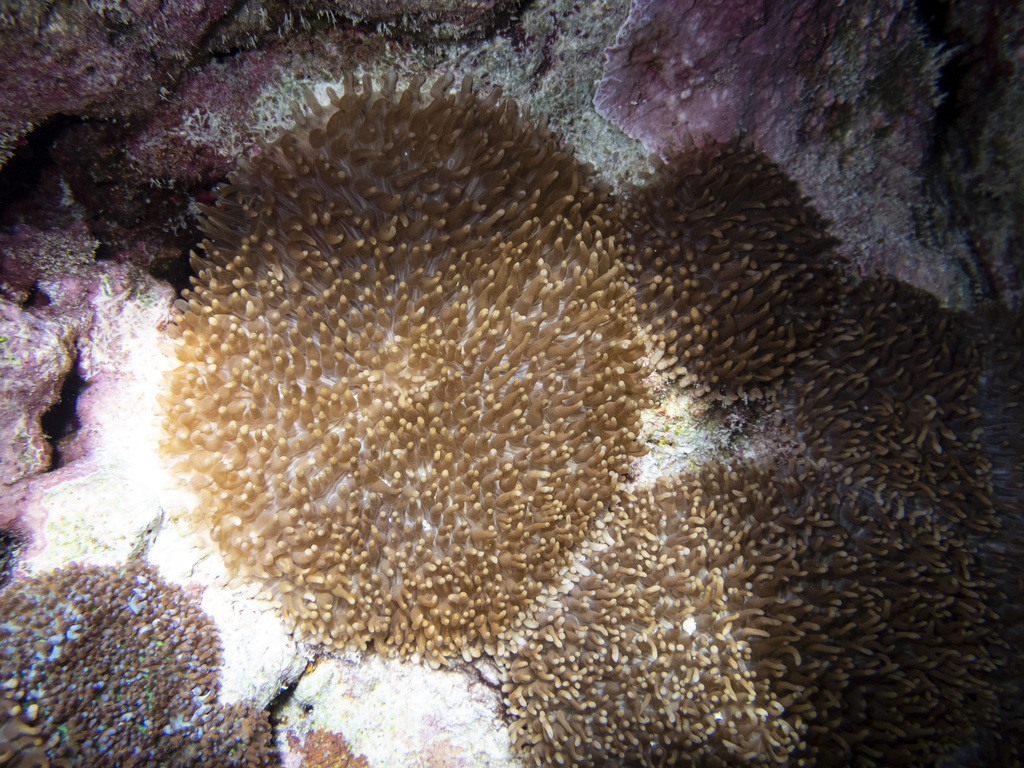
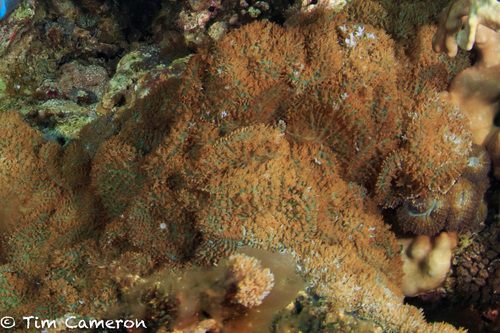
The RED-ish mushroom coral, scientifically known as Actinodiscus sp., is a captivating addition to reef aquariums, known for its striking red and orange hues. This species thrives in the warm, shallow waters of the Coral Triangle, where it forms a symbiotic relationship with zooxanthellae, providing it with nutrients through photosynthesis. Its unique coloration and texture not only enhance the aesthetic appeal of aquariums but also serve to attract various marine life.
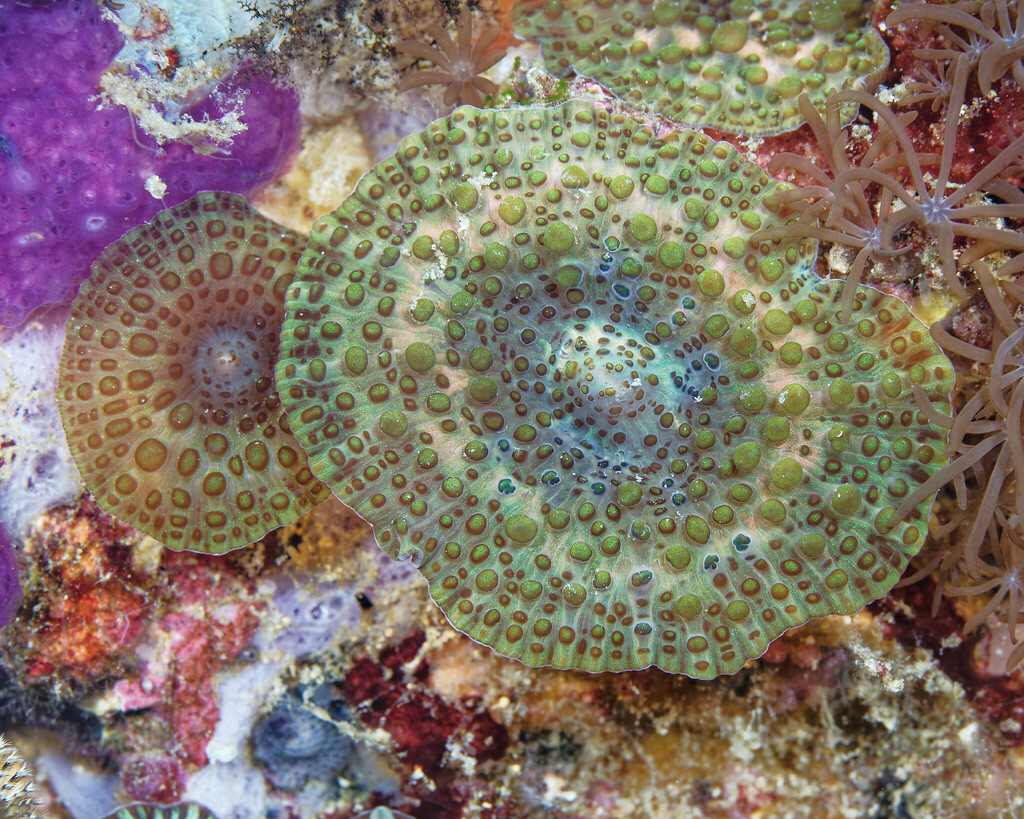
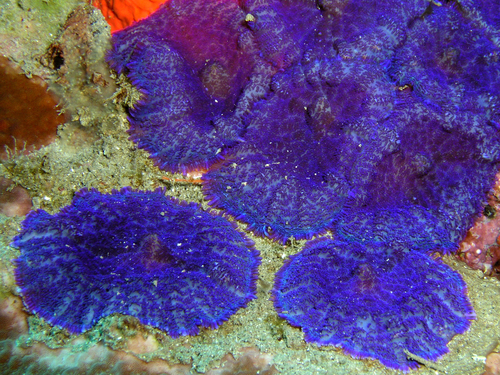
Appearance-wise, the RED-ish mushroom features a distinctive umbrella-shaped body with a soft, fleshy texture. The vibrant red tones can vary in intensity, often showcasing stunning patterns that make each specimen unique. This coral can grow to approximately 15 cm in diameter and is known for its resilience and adaptability, making it suitable for both novice and experienced aquarists. As a solitary species, it can also form small colonies over time, adding to the visual complexity of reef setups.
In terms of behavior, RED-ish mushrooms exhibit a fascinating ability to retract their tentacles quickly when disturbed, providing a defense mechanism against potential threats. They are generally peaceful and can coexist with a variety of other corals and marine species, making them an ideal choice for community tanks. Their natural habitat consists of rocky substrates and sandy bottoms, often found in areas with moderate water flow, which helps them capture food particles from the water.
The RED-ish mushroom coral is not only a feast for the eyes but also plays a vital role in the marine ecosystem, contributing to the overall health of coral reefs. By adding this species to your collection, you are promoting biodiversity and supporting sustainable practices in the aquarium trade.
Appearance-wise, the RED-ish mushroom features a distinctive umbrella-shaped body with a soft, fleshy texture. The vibrant red tones can vary in intensity, often showcasing stunning patterns that make each specimen unique. This coral can grow to approximately 15 cm in diameter and is known for its resilience and adaptability, making it suitable for both novice and experienced aquarists. As a solitary species, it can also form small colonies over time, adding to the visual complexity of reef setups.
In terms of behavior, RED-ish mushrooms exhibit a fascinating ability to retract their tentacles quickly when disturbed, providing a defense mechanism against potential threats. They are generally peaceful and can coexist with a variety of other corals and marine species, making them an ideal choice for community tanks. Their natural habitat consists of rocky substrates and sandy bottoms, often found in areas with moderate water flow, which helps them capture food particles from the water.
The RED-ish mushroom coral is not only a feast for the eyes but also plays a vital role in the marine ecosystem, contributing to the overall health of coral reefs. By adding this species to your collection, you are promoting biodiversity and supporting sustainable practices in the aquarium trade.
To ensure the optimal health of RED-ish mushroom corals, it is essential to maintain stable water parameters. The ideal temperature range is between 24°C and 28°C, with a salinity of 1.020 to 1.025 ppt. The pH should be kept between 8.1 and 8.4 to promote healthy growth. These corals benefit from moderate lighting, as they rely on photosynthesis for nourishment, but they should be shielded from direct, intense light to avoid damage.
Feeding RED-ish mushrooms can be done through both direct and indirect methods. They primarily derive energy from light but can also utilize zooplankton and other fine food particles in the water column. Regular feeding every few days will enhance their color and growth. Compatibility is generally good with other peaceful corals and fish, though care should be taken to avoid aggressive species that may sting or overshadow them.
Acclimation is crucial when introducing RED-ish mushrooms to a new aquarium. It is recommended to use the drip acclimation method over several hours to minimize stress. Quarantine new specimens for at least two weeks to observe for any signs of disease or pests before adding them to the display tank. Maintaining good water quality and a stable environment will lead to a thriving RED-ish mushroom coral in your aquarium.
Feeding RED-ish mushrooms can be done through both direct and indirect methods. They primarily derive energy from light but can also utilize zooplankton and other fine food particles in the water column. Regular feeding every few days will enhance their color and growth. Compatibility is generally good with other peaceful corals and fish, though care should be taken to avoid aggressive species that may sting or overshadow them.
Acclimation is crucial when introducing RED-ish mushrooms to a new aquarium. It is recommended to use the drip acclimation method over several hours to minimize stress. Quarantine new specimens for at least two weeks to observe for any signs of disease or pests before adding them to the display tank. Maintaining good water quality and a stable environment will lead to a thriving RED-ish mushroom coral in your aquarium.
RED-ish mushrooms are suitable for shipping due to their hardiness. They should be packed securely with plenty of water and cushioning to prevent damage during transit. Maintaining a temperature range of 24°C to 28°C is critical during shipping. These corals are not listed under CITES, allowing for easier export processes.
Species Parameters
Max Adult Size
15.0 cm
Origin
Coral Triangle
Habitat
reef
Temp Min
24.0 °C
Temp Max
28.0 °C
Salinity Min
1.020
Salinity Max
1.025
pH Min
8.10
pH Max
8.40
Min Tank
100 L