CITES App. II
Orange Sponge
Axinellid spp.
In Stock
Common stock
Aquacultured
Easy care
Reef Safe ✓
SKU: CRAXINorange
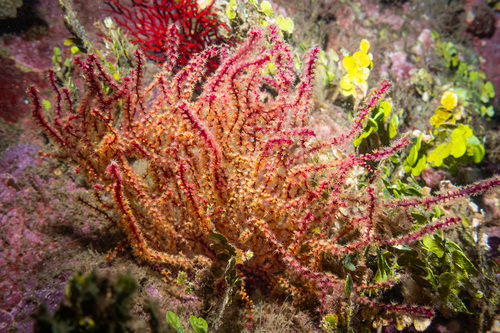
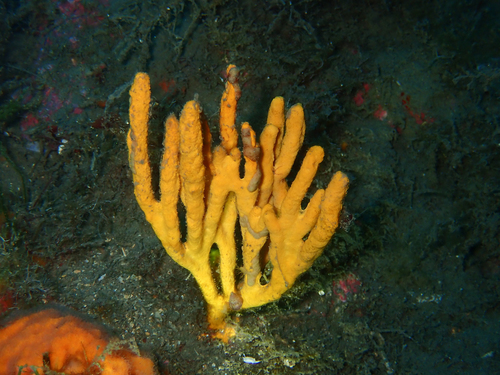
The Orange Sponge (Axinellid spp.) adds vibrant color and unique texture to coral reef aquariums.
Pricing for Verified Importers
Log in to see wholesale prices and order.
Origin
Coral Triangle
Temperature
24.0–28.0°C
Min. Tank Size
100 L
Salinity
32.000–35.000 ppt
pH
8.10–8.40
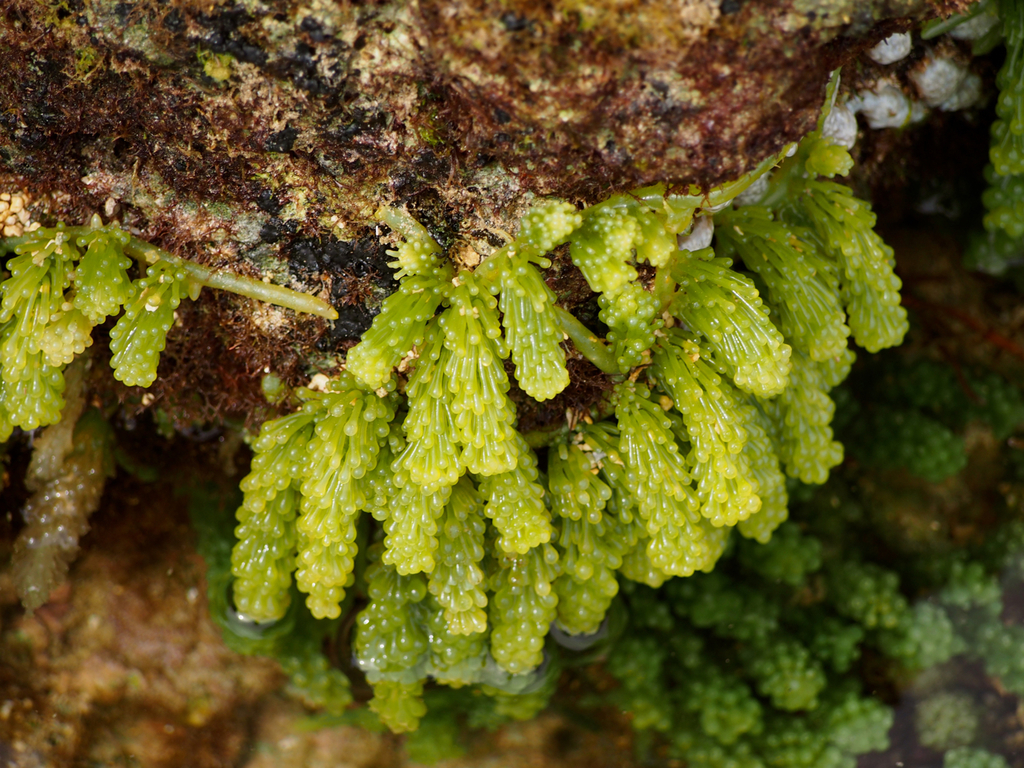
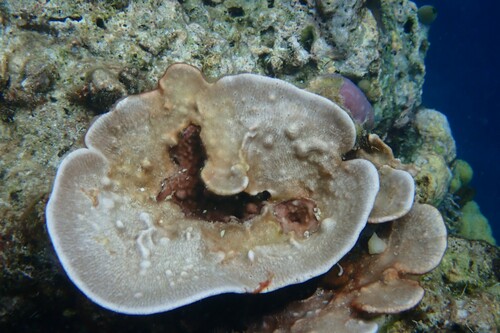
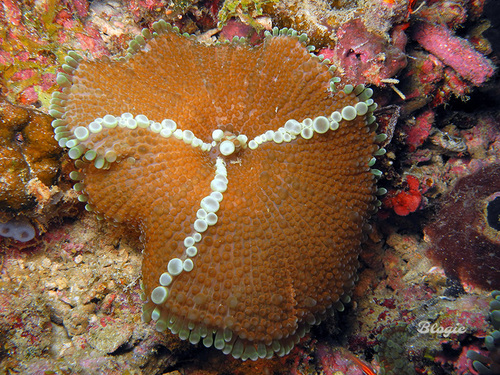
The Orange Sponge, belonging to the Axinellid family, is a remarkable marine organism known for its bright orange coloration and unique morphology. These sponges typically form encrusting or lobate structures, with a soft, porous texture that makes them visually appealing in aquascapes. Their coloration can range from vivid orange to deep gold, making them a standout addition to any coral setup.
In terms of natural history, the Orange Sponge plays a crucial role in the marine ecosystem by filtering water, removing bacteria and particulate matter, and providing habitat for various small marine organisms. They thrive in a variety of environments, typically found on rocky substrates in shallow waters of coral reefs, where they can receive ample water flow and light. Their ability to adapt to different conditions is one of the reasons they are popular among aquarium enthusiasts.
Behaviorally, Orange Sponges are sessile and do not exhibit movement. They rely on water currents to bring food particles to them, which they filter through their porous bodies. This feeding strategy makes them essential for maintaining water quality in their habitats. Despite their stationary nature, these sponges are known to respond to changes in water flow and light by altering their growth patterns.
Overall, the Orange Sponge is not only aesthetically pleasing but also ecologically significant. Their presence in an aquarium can enhance biodiversity and contribute to the overall health of the marine environment, making them a valuable addition for retailers and importers focusing on sustainable aquatic life offerings.
In terms of natural history, the Orange Sponge plays a crucial role in the marine ecosystem by filtering water, removing bacteria and particulate matter, and providing habitat for various small marine organisms. They thrive in a variety of environments, typically found on rocky substrates in shallow waters of coral reefs, where they can receive ample water flow and light. Their ability to adapt to different conditions is one of the reasons they are popular among aquarium enthusiasts.
Behaviorally, Orange Sponges are sessile and do not exhibit movement. They rely on water currents to bring food particles to them, which they filter through their porous bodies. This feeding strategy makes them essential for maintaining water quality in their habitats. Despite their stationary nature, these sponges are known to respond to changes in water flow and light by altering their growth patterns.
Overall, the Orange Sponge is not only aesthetically pleasing but also ecologically significant. Their presence in an aquarium can enhance biodiversity and contribute to the overall health of the marine environment, making them a valuable addition for retailers and importers focusing on sustainable aquatic life offerings.
When caring for the Orange Sponge, it is important to maintain stable water parameters to ensure its health and vibrancy. The ideal temperature range is between 24°C to 28°C, with a salinity level of 32-35 ppt. A pH level of 8.1 to 8.4 is recommended to mimic its natural habitat. Adequate water flow is essential, as it aids in feeding and respiration, so ensure that your aquarium setup provides gentle currents.
Feeding the Orange Sponge primarily involves providing dissolved organic matter and planktonic food, as they are filter feeders. Regular water changes can enhance nutrient availability in the water column, supporting sponge health. Compatibility with other species is generally favorable, but care should be taken to avoid aggressive corals that may outcompete or damage the sponge.
Acclimation is crucial for newly imported sponges. Gradually introduce them to the aquarium environment over several hours, monitoring for any signs of stress. Quarantine new arrivals for at least two weeks to prevent the introduction of pests or diseases into your main tank. By following these care guidelines, retailers can ensure that their customers receive a healthy and thriving Orange Sponge.
Feeding the Orange Sponge primarily involves providing dissolved organic matter and planktonic food, as they are filter feeders. Regular water changes can enhance nutrient availability in the water column, supporting sponge health. Compatibility with other species is generally favorable, but care should be taken to avoid aggressive corals that may outcompete or damage the sponge.
Acclimation is crucial for newly imported sponges. Gradually introduce them to the aquarium environment over several hours, monitoring for any signs of stress. Quarantine new arrivals for at least two weeks to prevent the introduction of pests or diseases into your main tank. By following these care guidelines, retailers can ensure that their customers receive a healthy and thriving Orange Sponge.
The Orange Sponge is moderately sensitive to temperature fluctuations during shipping, so maintaining a stable temperature between 24°C and 26°C is critical. They should be packed securely with adequate cushioning to prevent damage. A packing density of one sponge per 1-2 liters of shipping water is recommended to minimize stress. The Orange Sponge is not listed under CITES, making it easier to export.
Species Parameters
Origin
Coral Triangle
Habitat
reef
Temp Min
24.0 °C
Temp Max
28.0 °C
Salinity Min
32.000
Salinity Max
35.000
pH Min
8.10
pH Max
8.40
Min Tank
100 L