CITES App. II
Orange Tree Sponge
Ptilocaulis Spec.
In Stock
Common stock
Wild Caught
Moderate care
Reef Safe ✓
SKU: CB-SC-0174
The Orange Tree Sponge is a vibrant addition to any reef aquarium, known for its unique branching structure.
Pricing for Verified Importers
Log in to see wholesale prices and order.
Export Size
up to 30.0 cm
Origin
Coral Triangle
Temperature
24.0–28.0°C
Min. Tank Size
100 L
Salinity
30.000–35.000 ppt
pH
8.10–8.40
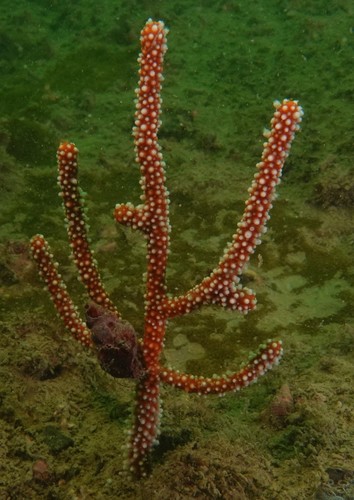
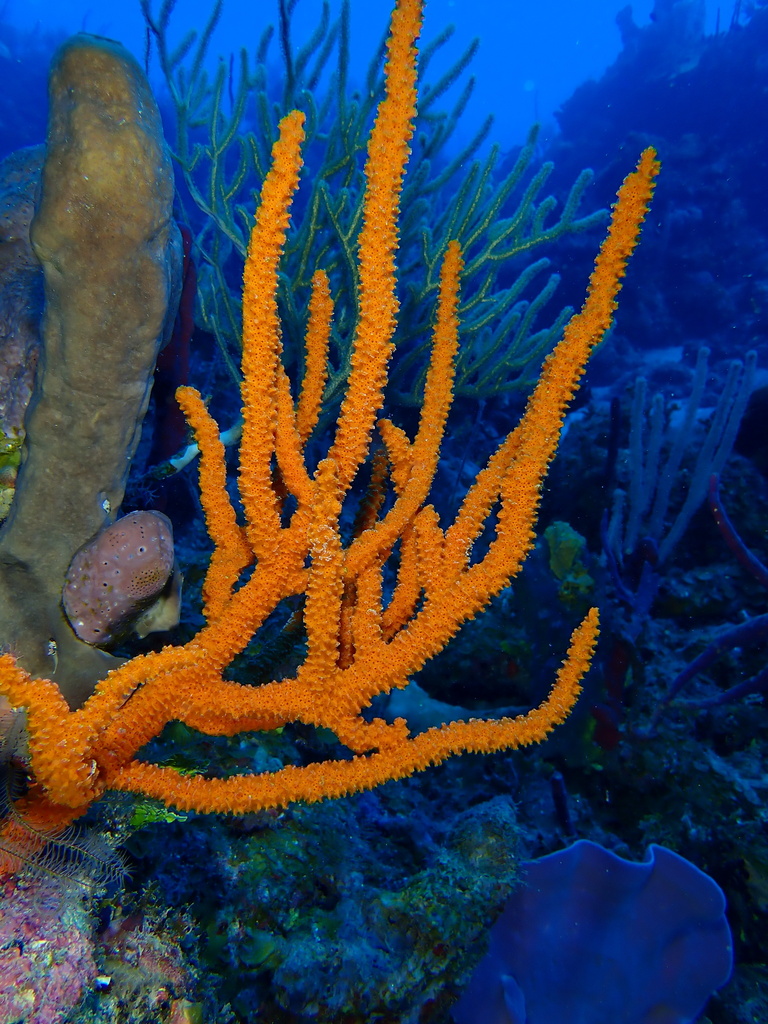
The Orange Tree Sponge (Ptilocaulis Spec.) is a fascinating marine organism found predominantly in the Coral Triangle region. This species stands out due to its striking orange coloration and intricate, tree-like branching structure. As a member of the Porifera phylum, it plays a crucial role in the reef ecosystem, providing habitat and food for various marine organisms. The sponge's vibrant hue is not only visually appealing but also serves as a natural deterrent against predators, showcasing the intricate balance of beauty and survival in marine life.
In terms of natural history, the Orange Tree Sponge thrives in shallow, warm waters where it can attach to hard substrates. Its ability to filter feed allows it to extract nutrients from the water, making it an essential component of its ecosystem. The sponge's porous structure facilitates water flow, enhancing its feeding efficiency. Observing this species in its natural habitat reveals its role in promoting biodiversity, as it provides shelter for small fish and invertebrates, contributing to the overall health of the reef environment.
Behaviorally, the Orange Tree Sponge exhibits a relatively passive lifestyle, relying on water currents for nutrient absorption rather than active movement. This sponge is often found in clusters, creating a stunning visual effect on the reef. Its branching arms increase surface area, allowing for greater interaction with the surrounding environment. This species is not only a beautiful addition to the aquarium but also a reminder of the delicate interrelationships present in marine ecosystems.
Habitat-wise, the Orange Tree Sponge prefers depths of 10 to 20 meters, typically residing in areas with moderate water flow. This habitat selection is crucial for its feeding strategy, as it requires consistent water movement to thrive. As an export species, its vibrant color and unique structure make it a sought-after choice for aquarium enthusiasts looking to enhance the aesthetic appeal of their marine tanks.
In terms of natural history, the Orange Tree Sponge thrives in shallow, warm waters where it can attach to hard substrates. Its ability to filter feed allows it to extract nutrients from the water, making it an essential component of its ecosystem. The sponge's porous structure facilitates water flow, enhancing its feeding efficiency. Observing this species in its natural habitat reveals its role in promoting biodiversity, as it provides shelter for small fish and invertebrates, contributing to the overall health of the reef environment.
Behaviorally, the Orange Tree Sponge exhibits a relatively passive lifestyle, relying on water currents for nutrient absorption rather than active movement. This sponge is often found in clusters, creating a stunning visual effect on the reef. Its branching arms increase surface area, allowing for greater interaction with the surrounding environment. This species is not only a beautiful addition to the aquarium but also a reminder of the delicate interrelationships present in marine ecosystems.
Habitat-wise, the Orange Tree Sponge prefers depths of 10 to 20 meters, typically residing in areas with moderate water flow. This habitat selection is crucial for its feeding strategy, as it requires consistent water movement to thrive. As an export species, its vibrant color and unique structure make it a sought-after choice for aquarium enthusiasts looking to enhance the aesthetic appeal of their marine tanks.
To successfully care for the Orange Tree Sponge, maintaining stable water parameters is essential. Ideal conditions include a temperature range of 24-28°C, salinity between 30-35 ppt, and a pH level of 8.1-8.4. Regular water changes and careful monitoring of these parameters will help ensure the sponge's health and vitality.
Feeding the Orange Tree Sponge primarily involves providing dissolved organic matter and planktonic food. A well-established system with adequate nutrient levels typically supports its feeding needs. Alternatively, aquarists can supplement its diet with liquid sponge foods or finely particulate foods designed for filter feeders.
Compatibility is key when housing this sponge in a community tank. It is best paired with peaceful species that won't disturb its delicate structure. Avoid housing it with aggressive fish or invertebrates that may harm or compete for resources. Acclimation is crucial; introduce the sponge slowly to avoid shock, using a drip acclimation method if necessary.
Quarantine new arrivals before adding them to the main tank to prevent the introduction of diseases. Maintaining a clean environment and monitoring for pests will further enhance the sponge's wellbeing in your aquarium.
Feeding the Orange Tree Sponge primarily involves providing dissolved organic matter and planktonic food. A well-established system with adequate nutrient levels typically supports its feeding needs. Alternatively, aquarists can supplement its diet with liquid sponge foods or finely particulate foods designed for filter feeders.
Compatibility is key when housing this sponge in a community tank. It is best paired with peaceful species that won't disturb its delicate structure. Avoid housing it with aggressive fish or invertebrates that may harm or compete for resources. Acclimation is crucial; introduce the sponge slowly to avoid shock, using a drip acclimation method if necessary.
Quarantine new arrivals before adding them to the main tank to prevent the introduction of diseases. Maintaining a clean environment and monitoring for pests will further enhance the sponge's wellbeing in your aquarium.
The Orange Tree Sponge is suitable for shipping, provided it is packed with care to minimize stress during transit. Use a breathable container with damp packing material to maintain moisture. The sponge is sensitive to temperature fluctuations, so ensure stable conditions are maintained. CITES status is not applicable for this species; however, always check local regulations regarding export.
Species Parameters
Max Adult Size
30.0 cm
Origin
Coral Triangle
Temp Min
24.0 °C
Temp Max
28.0 °C
Salinity Min
30.000
Salinity Max
35.000
pH Min
8.10
pH Max
8.40
Min Tank
100 L