CITES App. II
Palythoa Button Red
Palithoa
In Stock
Common stock
Aquacultured
Easy care
Reef Safe ✓
SKU: CRPALIpalyth2
Experience the vibrant allure of Palythoa Button Red, a stunning coral species from Bali.
Pricing for Verified Importers
Log in to see wholesale prices and order.
Export Size
up to 10.0 cm
Origin
Coral Triangle
Temperature
24.0–28.0°C
Min. Tank Size
100 L
Salinity
1.023–1.025 ppt
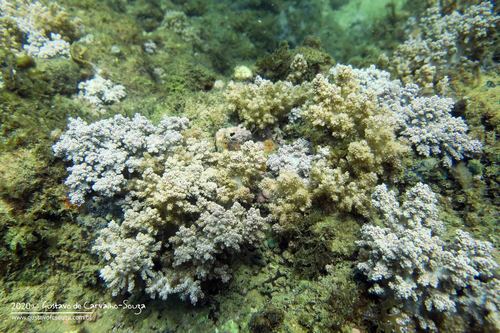
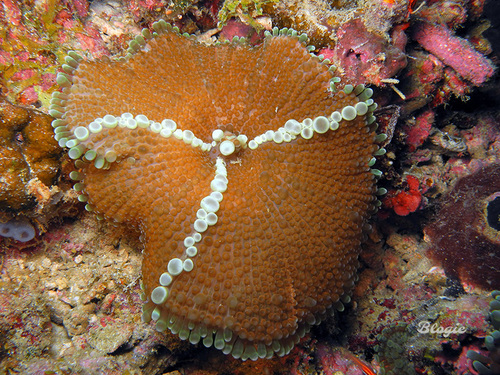
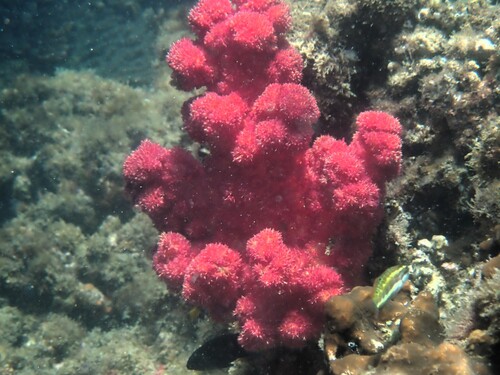
Palythoa Button Red (Palithoa) is a captivating coral species known for its striking appearance and resilience in various marine environments. This species showcases a vibrant red coloration, which makes it a popular choice among aquarium enthusiasts and collectors. Its unique button-like polyps create a mesmerizing effect, enhancing the aesthetic appeal of reef aquariums. Native to the tropical waters of the Coral Triangle, these corals thrive in biodiverse ecosystems that are rich in nutrients.
In the wild, Palythoa Button Red typically inhabits shallow reefs, often found on rocky substrates or in sandy areas adjacent to coral formations. They are commonly associated with other coral species, contributing to the complex dynamics of reef habitats. Their growth patterns can vary, but they usually form dense mats or colonies, making them an essential part of the marine landscape. These corals exhibit a symbiotic relationship with zooxanthellae, the photosynthetic algae that live within their tissues, providing them with energy and vibrant colors.
Behaviorally, Palythoa Button Red is known for its ability to adapt to various lighting conditions, making it suitable for different aquarium setups. They are generally peaceful and can coexist with various marine species, although careful consideration of tank mates is essential to minimize stress and competition for resources. Their adaptability and hardiness make them a favorite among both novice and experienced aquarists, as they are relatively easy to care for in captivity.
Overall, Palythoa Button Red not only adds vibrant color to aquariums but also serves as an important species for promoting biodiversity in marine ecosystems. With proper care and attention, these corals can thrive in both natural and artificial environments, offering an extraordinary glimpse into the beauty of underwater life.
In the wild, Palythoa Button Red typically inhabits shallow reefs, often found on rocky substrates or in sandy areas adjacent to coral formations. They are commonly associated with other coral species, contributing to the complex dynamics of reef habitats. Their growth patterns can vary, but they usually form dense mats or colonies, making them an essential part of the marine landscape. These corals exhibit a symbiotic relationship with zooxanthellae, the photosynthetic algae that live within their tissues, providing them with energy and vibrant colors.
Behaviorally, Palythoa Button Red is known for its ability to adapt to various lighting conditions, making it suitable for different aquarium setups. They are generally peaceful and can coexist with various marine species, although careful consideration of tank mates is essential to minimize stress and competition for resources. Their adaptability and hardiness make them a favorite among both novice and experienced aquarists, as they are relatively easy to care for in captivity.
Overall, Palythoa Button Red not only adds vibrant color to aquariums but also serves as an important species for promoting biodiversity in marine ecosystems. With proper care and attention, these corals can thrive in both natural and artificial environments, offering an extraordinary glimpse into the beauty of underwater life.
To successfully keep Palythoa Button Red, maintaining stable water parameters is crucial. Ideal conditions include a temperature range of 24-28°C, a salinity of 1.023-1.025 ppt, and a pH level between 8.1 and 8.4. Regular monitoring of these parameters helps ensure the health and vitality of the coral. While Palythoa can tolerate varying light levels, moderate lighting is recommended to promote optimal growth and coloration.
Feeding Palythoa Button Red can be done through a combination of photosynthesis and supplemental feeding. Though they derive most of their nutrients from the zooxanthellae, occasional feedings of small meaty foods or coral-specific nutrients can enhance growth. Compatibility with other species is generally good, but care should be taken to avoid aggressive tank mates that may harm the coral.
Acclimation is vital when introducing Palythoa Button Red to a new aquarium. A slow acclimation process over several hours is recommended to minimize stress. Quarantine is also advisable for new arrivals to prevent potential disease transmission. Regular observation for signs of stress, such as retraction of polyps or color fading, will help maintain their well-being in your aquarium.
Feeding Palythoa Button Red can be done through a combination of photosynthesis and supplemental feeding. Though they derive most of their nutrients from the zooxanthellae, occasional feedings of small meaty foods or coral-specific nutrients can enhance growth. Compatibility with other species is generally good, but care should be taken to avoid aggressive tank mates that may harm the coral.
Acclimation is vital when introducing Palythoa Button Red to a new aquarium. A slow acclimation process over several hours is recommended to minimize stress. Quarantine is also advisable for new arrivals to prevent potential disease transmission. Regular observation for signs of stress, such as retraction of polyps or color fading, will help maintain their well-being in your aquarium.
Palythoa Button Red is suitable for shipping due to its resilience. Packing should ensure minimal movement and exposure to temperature fluctuations, ideally maintaining a range of 24-26°C during transit. The recommended packing density is up to 5 colonies per shipping container, depending on size. As a coral species, Palythoa is not listed under CITES, facilitating smoother export processes.
Species Parameters
Max Adult Size
10.0 cm
Origin
Coral Triangle
Habitat
reef
Temp Min
24.0 °C
Temp Max
28.0 °C
Salinity Min
1.023
Salinity Max
1.025
Min Tank
100 L