CITES App. II
Orange Sand Polyps
Zoanthus Spec
In Stock
Common stock
Wild Caught
Moderate care
Reef Safe ✓
SKU: CB-SC-0111
Discover the vibrant beauty of Orange Sand Polyps, perfect for coral enthusiasts.
Pricing for Verified Importers
Log in to see wholesale prices and order.
Export Size
up to 2.0 cm
Origin
Coral Triangle
Temperature
24.0–28.0°C
Min. Tank Size
50 L
Salinity
1.023–1.025 ppt
pH
8.10–8.40
Orange Sand Polyps (Zoanthus spec) are a stunning addition to any marine aquarium, known for their bright orange coloration and unique polyp structure. These corals are part of the Zoanthidae family and are often found in shallow reef environments. They thrive in areas with moderate water movement and are typically seen encrusting on substrates or rocky surfaces, creating a captivating display in their natural habitat.
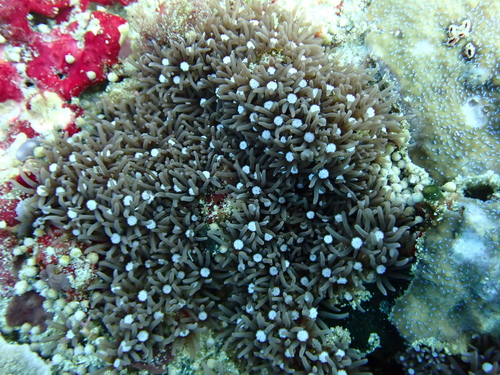
The appearance of Orange Sand Polyps is characterized by their vivid orange tentacles that extend from a central disc, creating an eye-catching visual effect. Each polyp can reach a diameter of up to 2 cm, and they often form colonies that can spread across large areas of rock or sand. Their striking color not only enhances the aesthetic of aquariums but also attracts a variety of marine life, contributing to the overall biodiversity of the tank.
Behaviorally, these corals are known for their resilience and adaptability. They can thrive in a range of light conditions, from low to moderate lighting, which makes them suitable for both novice and experienced aquarists. Orange Sand Polyps also exhibit a fascinating feeding behavior, capturing small zooplankton through their tentacles and utilizing photosynthesis through their symbiotic zooxanthellae.
In their natural habitat, Orange Sand Polyps are often found in the Coral Triangle region, which boasts some of the highest marine biodiversity in the world. This species plays a vital role in the reef ecosystem, providing shelter and food for various marine organisms, and contributing to the overall health of the coral reef environment.
The appearance of Orange Sand Polyps is characterized by their vivid orange tentacles that extend from a central disc, creating an eye-catching visual effect. Each polyp can reach a diameter of up to 2 cm, and they often form colonies that can spread across large areas of rock or sand. Their striking color not only enhances the aesthetic of aquariums but also attracts a variety of marine life, contributing to the overall biodiversity of the tank.
Behaviorally, these corals are known for their resilience and adaptability. They can thrive in a range of light conditions, from low to moderate lighting, which makes them suitable for both novice and experienced aquarists. Orange Sand Polyps also exhibit a fascinating feeding behavior, capturing small zooplankton through their tentacles and utilizing photosynthesis through their symbiotic zooxanthellae.
In their natural habitat, Orange Sand Polyps are often found in the Coral Triangle region, which boasts some of the highest marine biodiversity in the world. This species plays a vital role in the reef ecosystem, providing shelter and food for various marine organisms, and contributing to the overall health of the coral reef environment.
To successfully care for Orange Sand Polyps, it is essential to maintain stable water parameters. Ideal conditions include a temperature range of 24-28°C, salinity levels between 1.023-1.025 ppt, and a pH level between 8.1-8.4. Regular water changes and the use of high-quality filtration will help keep water quality optimal.
Feeding these corals involves providing a mix of small zooplankton, powdered coral food, and ensuring adequate light for their symbiotic algae. While they can obtain some nutrition through photosynthesis, supplemental feeding is recommended, especially in lower light conditions. Compatibility-wise, Orange Sand Polyps are generally peaceful and can cohabitate with a variety of non-aggressive tank mates, although caution should be exercised with larger, more aggressive corals.
Acclimation is critical when introducing Orange Sand Polyps to a new environment. It is advisable to slowly acclimate them to the new tank conditions over a period of several hours, allowing them to adjust to differences in water chemistry and temperature. Quarantine is also recommended to prevent the introduction of pests or diseases into the main aquarium. Overall, with proper care, these corals can thrive and enhance the beauty of any marine setup.
Feeding these corals involves providing a mix of small zooplankton, powdered coral food, and ensuring adequate light for their symbiotic algae. While they can obtain some nutrition through photosynthesis, supplemental feeding is recommended, especially in lower light conditions. Compatibility-wise, Orange Sand Polyps are generally peaceful and can cohabitate with a variety of non-aggressive tank mates, although caution should be exercised with larger, more aggressive corals.
Acclimation is critical when introducing Orange Sand Polyps to a new environment. It is advisable to slowly acclimate them to the new tank conditions over a period of several hours, allowing them to adjust to differences in water chemistry and temperature. Quarantine is also recommended to prevent the introduction of pests or diseases into the main aquarium. Overall, with proper care, these corals can thrive and enhance the beauty of any marine setup.
Orange Sand Polyps are suitable for shipping due to their hardy nature. When packing, ensure adequate water volume and space to prevent damage during transit. They are somewhat temperature-sensitive, so maintaining a stable environment during shipping is crucial. As they are not listed under CITES, export regulations are minimal, facilitating smoother transactions.
Species Parameters
Max Adult Size
2.0 cm
Origin
Coral Triangle
Temp Min
24.0 °C
Temp Max
28.0 °C
Salinity Min
1.023
Salinity Max
1.025
pH Min
8.10
pH Max
8.40
Min Tank
50 L