CITES App. II
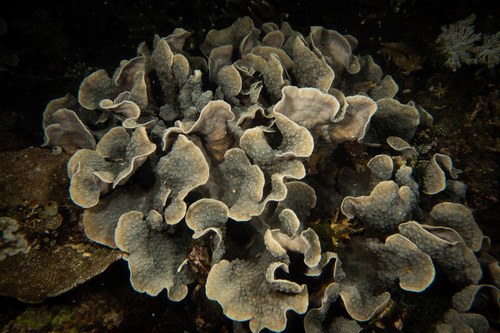
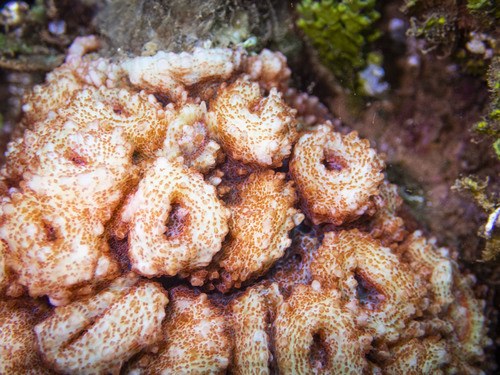
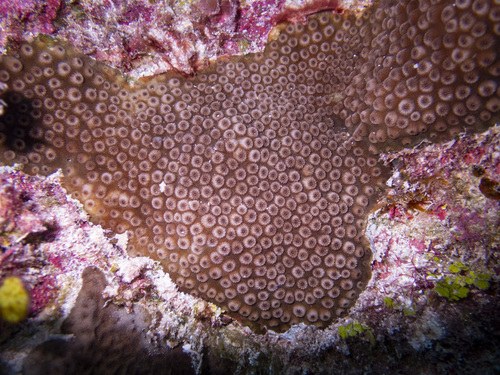
Cyphastrea Orange
Cyphastrea serailia
In Stock
Common stock
Maricultured
Experienced care
Reef Safe ✓
SKU: CB-HC-0229
Vibrant and hardy, the Cyphastrea Orange coral is a stunning addition to any reef aquarium.
Pricing for Verified Importers
Log in to see wholesale prices and order.
Export Size
up to 20.0 cm
Origin
Indo-Pacific
Temperature
24.0–28.0°C
Min. Tank Size
100 L
Salinity
35.000–35.000 ppt
pH
8.10–8.40
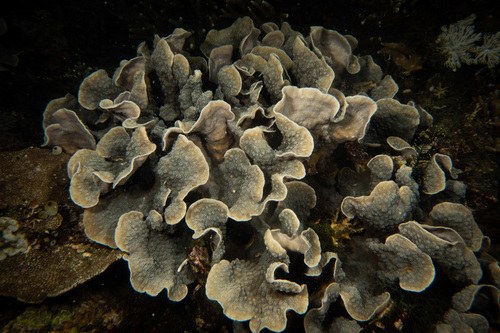
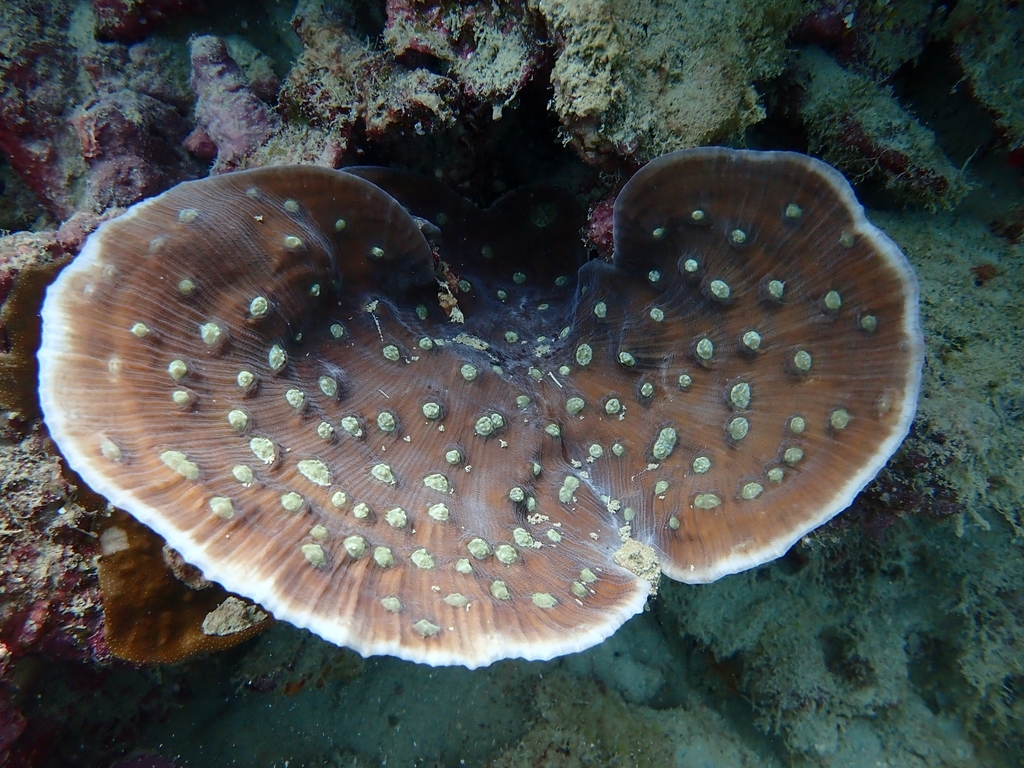
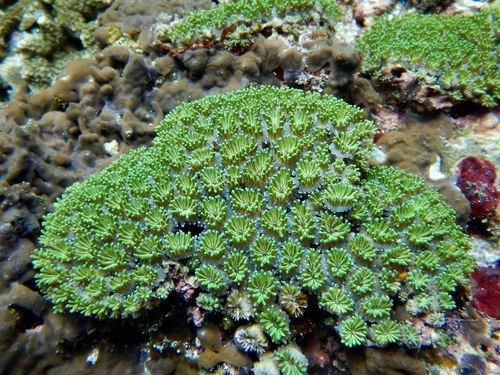
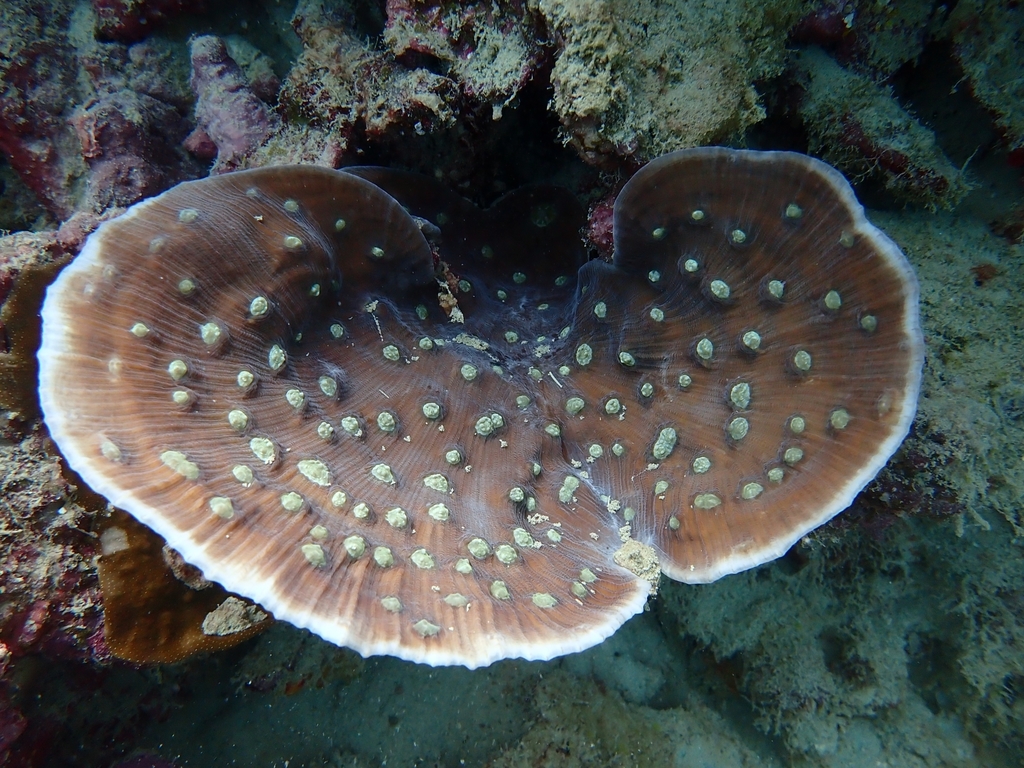
Cyphastrea Orange, scientifically known as Cyphastrea serailia, is a captivating coral species renowned for its striking orange coloration and unique structure. This species is part of the Faviidae family and is commonly found in shallow waters of the Indo-Pacific region. Often referred to as 'cup coral,' its morphology features thick, fleshy tissues that can form large, encrusting colonies over time. The bright orange hue is attributed to the symbiotic relationship it maintains with zooxanthellae, which not only provides energy through photosynthesis but also enhances its vibrant appearance.
In terms of natural history, Cyphastrea serailia thrives in diverse reef habitats, favoring areas with moderate water flow and ample light. This coral species is most commonly found on reef slopes and in lagoons, making it an essential component of the reef ecosystem. The unique structure of Cyphastrea allows it to withstand varying environmental conditions, and it often grows alongside other coral species, contributing to the biodiversity of coral reefs.
Behaviorally, Cyphastrea Orange exhibits a relatively slow growth rate and is known for its ability to adapt to different lighting conditions. While it primarily relies on photosynthesis for energy, it can also capture plankton and organic debris from the water column, showcasing its versatility as a filter feeder. This adaptability makes it suitable for various aquarium settings, provided that optimal care guidelines are followed.
Overall, the Cyphastrea Orange coral is not only an aesthetically pleasing addition to aquariums but also plays a vital role in promoting healthy reef ecosystems. Its resilience and unique beauty make it a popular choice among marine enthusiasts and aquarists alike.
In terms of natural history, Cyphastrea serailia thrives in diverse reef habitats, favoring areas with moderate water flow and ample light. This coral species is most commonly found on reef slopes and in lagoons, making it an essential component of the reef ecosystem. The unique structure of Cyphastrea allows it to withstand varying environmental conditions, and it often grows alongside other coral species, contributing to the biodiversity of coral reefs.
Behaviorally, Cyphastrea Orange exhibits a relatively slow growth rate and is known for its ability to adapt to different lighting conditions. While it primarily relies on photosynthesis for energy, it can also capture plankton and organic debris from the water column, showcasing its versatility as a filter feeder. This adaptability makes it suitable for various aquarium settings, provided that optimal care guidelines are followed.
Overall, the Cyphastrea Orange coral is not only an aesthetically pleasing addition to aquariums but also plays a vital role in promoting healthy reef ecosystems. Its resilience and unique beauty make it a popular choice among marine enthusiasts and aquarists alike.
To successfully care for Cyphastrea Orange, maintaining optimal water parameters is crucial. Ideal temperature ranges from 24°C to 28°C, with a salinity of 35 ppt. A stable pH between 8.1 and 8.4 is recommended to support its health and growth. Lighting should be moderate to high, and aquarists should avoid placing it in direct, intense light to prevent bleaching.
Feeding Cyphastrea Orange involves providing a balanced diet of high-quality coral foods, including plankton and specialized coral pellets. While it derives most of its energy from photosynthesis, supplemental feeding helps enhance its growth and color. Compatibility is typically good with other reef-safe species; however, caution is advised with aggressive corals that may outcompete it for space and resources.
Acclimation is essential when introducing Cyphastrea Orange into a new tank. A slow acclimation process over several hours is recommended to minimize stress. Quarantine practices should be employed before adding it to the main tank to prevent the introduction of pests and diseases. Regular monitoring of water quality and coral health will ensure a thriving environment for this beautiful species.
Feeding Cyphastrea Orange involves providing a balanced diet of high-quality coral foods, including plankton and specialized coral pellets. While it derives most of its energy from photosynthesis, supplemental feeding helps enhance its growth and color. Compatibility is typically good with other reef-safe species; however, caution is advised with aggressive corals that may outcompete it for space and resources.
Acclimation is essential when introducing Cyphastrea Orange into a new tank. A slow acclimation process over several hours is recommended to minimize stress. Quarantine practices should be employed before adding it to the main tank to prevent the introduction of pests and diseases. Regular monitoring of water quality and coral health will ensure a thriving environment for this beautiful species.
Cyphastrea Orange is suitable for shipping due to its hardiness, but careful packing is essential to minimize stress during transport. Packing density should allow for adequate water circulation, and temperatures must be maintained between 22°C and 26°C to avoid thermal shock. This species is not listed under CITES, simplifying export procedures.
Species Parameters
Max Adult Size
20.0 cm
Origin
Indo-Pacific
Temp Min
24.0 °C
Temp Max
28.0 °C
Salinity Min
35.000
Salinity Max
35.000
pH Min
8.10
pH Max
8.40
Min Tank
100 L