CITES App. II
Green Chalice Coral
Echinophyllia sp.
In Stock
Common stock
Maricultured
Experienced care
Reef Safe ✓
SKU: CB-HC-0179
The Green Chalice Coral boasts vibrant colors and unique morphology, making it a striking addition to any reef aquarium.
Pricing for Verified Importers
Log in to see wholesale prices and order.
Export Size
up to 30.0 cm
Origin
Coral Triangle
Temperature
24.0–28.0°C
Min. Tank Size
100 L
Salinity
1.023–1.025 ppt
pH
8.10–8.40
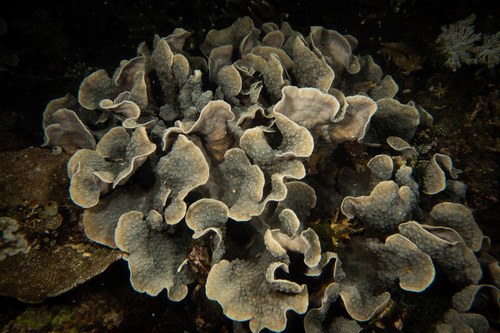
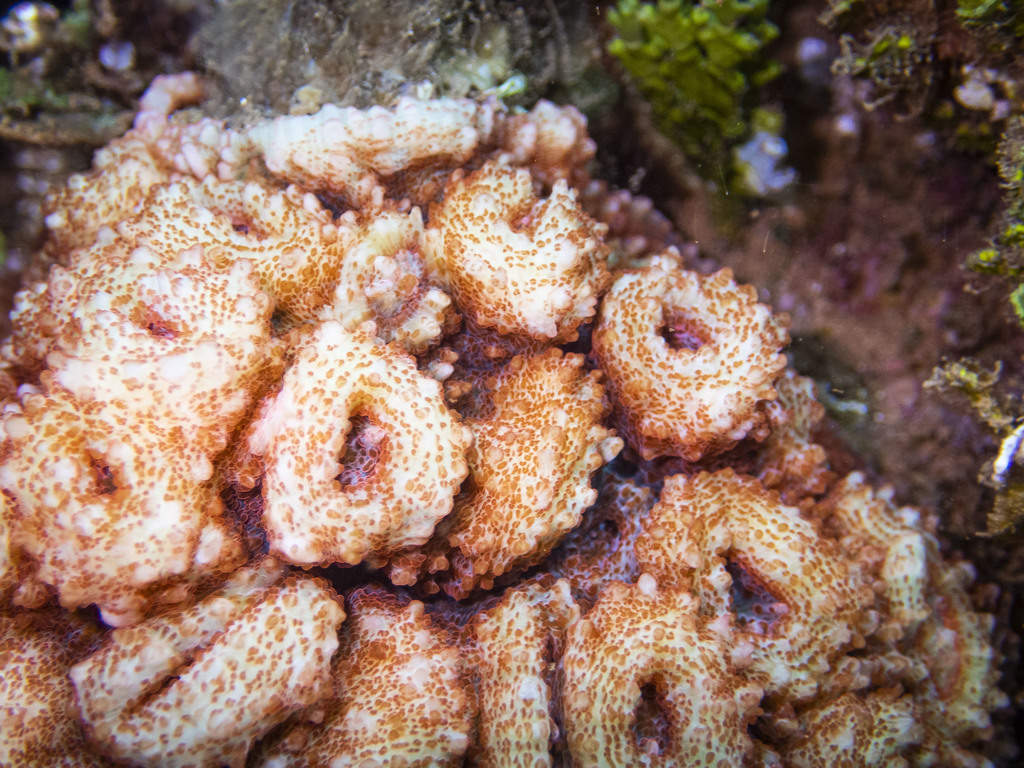
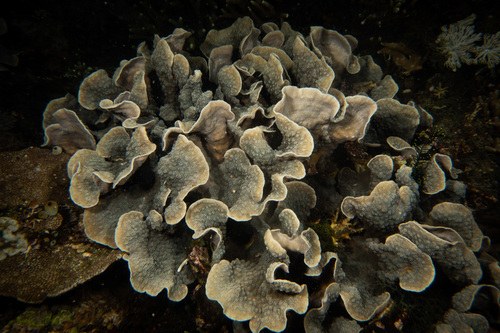
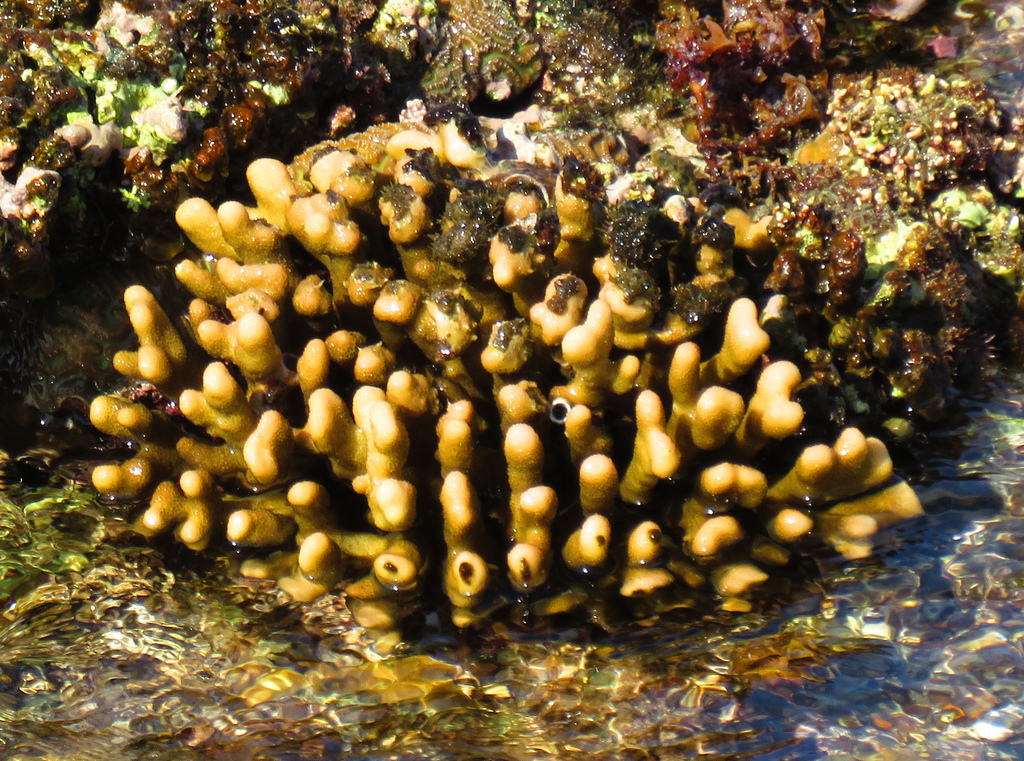
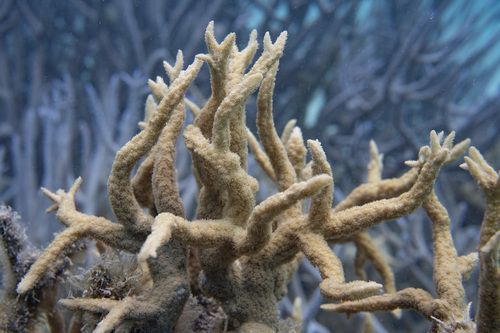
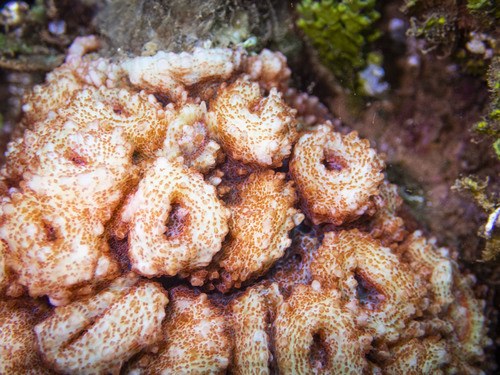
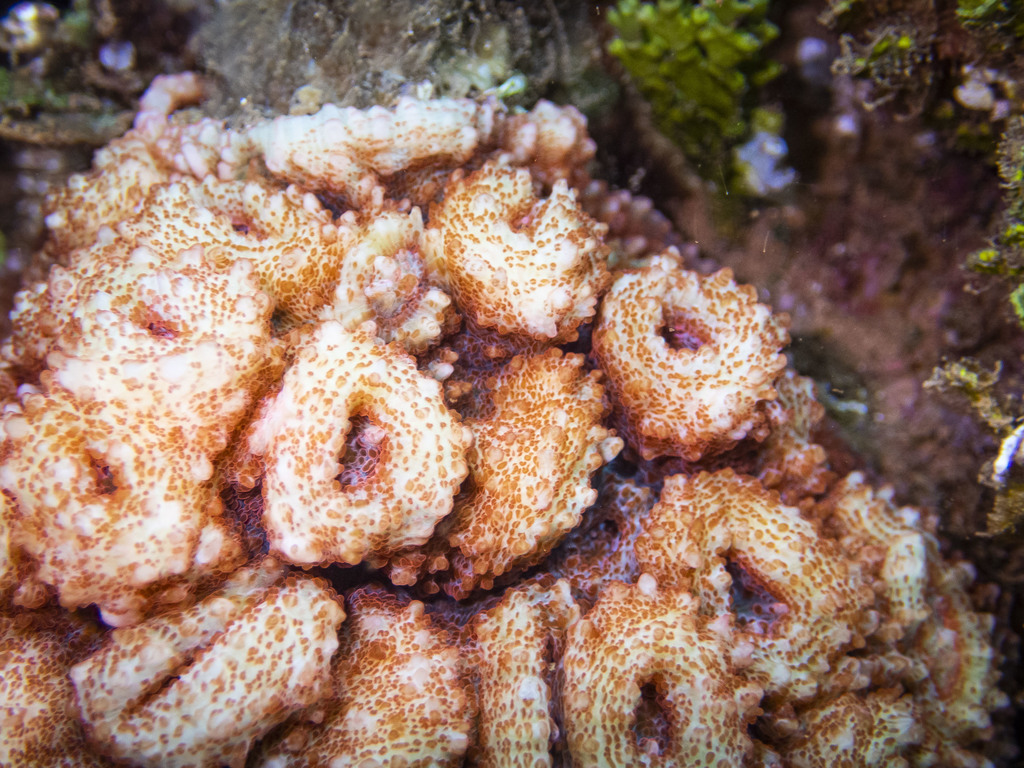
Green Chalice Coral (Echinophyllia sp.) is a captivating coral known for its distinctive green coloration and unique cup-like structure. This species can be found thriving in shallow reefs, where it benefits from both sunlight and the nutrients provided by the surrounding waters. The vivid green hues are primarily due to symbiotic zooxanthellae, which play a crucial role in the coral's energy production through photosynthesis. Additionally, the coral can also capture planktonic food, showcasing its versatility in nutrient acquisition.
The morphology of the Green Chalice Coral is characterized by a broad, flat surface with raised ridges and valleys, creating an eye-catching topography that enhances its aesthetic appeal. This structure not only serves as a habitat for various marine organisms but also provides a unique surface for aquascaping in reef tanks. During the night, the coral extends its polyps to feed, displaying delicate tentacles that can capture small prey, making it an active participant in the reef ecosystem.
Green Chalice Corals are typically found in the Coral Triangle region, particularly around Indonesia, where they flourish in warm, clear waters. They prefer stable environments with moderate water movement and good lighting conditions. Their natural habitats often feature rocky substrates that provide the necessary stability for their attachment, allowing them to grow and thrive over time.
In the aquarium trade, Echinophyllia sp. has gained popularity due to its stunning appearance and relatively easy care requirements. They are often kept in reef tanks alongside other corals and marine life, contributing to the biodiversity and visual appeal of the display. Their adaptability and resilience make them a favorite among hobbyists and commercial aquarists alike.
The morphology of the Green Chalice Coral is characterized by a broad, flat surface with raised ridges and valleys, creating an eye-catching topography that enhances its aesthetic appeal. This structure not only serves as a habitat for various marine organisms but also provides a unique surface for aquascaping in reef tanks. During the night, the coral extends its polyps to feed, displaying delicate tentacles that can capture small prey, making it an active participant in the reef ecosystem.
Green Chalice Corals are typically found in the Coral Triangle region, particularly around Indonesia, where they flourish in warm, clear waters. They prefer stable environments with moderate water movement and good lighting conditions. Their natural habitats often feature rocky substrates that provide the necessary stability for their attachment, allowing them to grow and thrive over time.
In the aquarium trade, Echinophyllia sp. has gained popularity due to its stunning appearance and relatively easy care requirements. They are often kept in reef tanks alongside other corals and marine life, contributing to the biodiversity and visual appeal of the display. Their adaptability and resilience make them a favorite among hobbyists and commercial aquarists alike.
For optimal health, the Green Chalice Coral requires specific water parameters. The ideal temperature range is between 24°C to 28°C, with a salinity level of 1.023 to 1.025 ppt. Maintaining a stable pH between 8.1 and 8.4 is crucial for their growth and overall wellbeing. Regular monitoring of water quality, including nitrate and phosphate levels, will help prevent any adverse effects on the coral.
Feeding the Green Chalice Coral can be achieved through a combination of photosynthesis and supplemental feeding. Offering high-quality coral foods or finely ground marine pellets a few times a week can enhance its health and color vibrancy. Compatibility with other marine species is generally good; however, providing sufficient space between corals is recommended to prevent aggression, particularly from more aggressive species.
Acclimation is a vital step for newly imported corals. A slow acclimatization process over several hours, using the drip method, is advised to reduce stress during introduction to the aquarium environment. Quarantining new arrivals for at least two weeks can help monitor for pests or diseases, ensuring a healthy addition to your collection.
Feeding the Green Chalice Coral can be achieved through a combination of photosynthesis and supplemental feeding. Offering high-quality coral foods or finely ground marine pellets a few times a week can enhance its health and color vibrancy. Compatibility with other marine species is generally good; however, providing sufficient space between corals is recommended to prevent aggression, particularly from more aggressive species.
Acclimation is a vital step for newly imported corals. A slow acclimatization process over several hours, using the drip method, is advised to reduce stress during introduction to the aquarium environment. Quarantining new arrivals for at least two weeks can help monitor for pests or diseases, ensuring a healthy addition to your collection.
Green Chalice Corals are suitable for shipping with proper care and packing methods. They should be securely packed to minimize movement and damage during transit, ideally in insulated containers with temperature control. The temperature should be maintained around 25°C to prevent stress. This species is not currently listed under CITES, but it's essential to ensure compliance with local regulations during export.
Species Parameters
Max Adult Size
30.0 cm
Origin
Coral Triangle
Temp Min
24.0 °C
Temp Max
28.0 °C
Salinity Min
1.023
Salinity Max
1.025
pH Min
8.10
pH Max
8.40
Min Tank
100 L