CITES App. II
Pink Cauliflower Coral
Pocillopora damicornis
In Stock
Common stock
Aquacultured
Experienced care
Reef Safe ✓
SKU: ML-HC-0016
Discover the stunning Pink Cauliflower Coral, a vibrant addition to reef aquariums.
Pricing for Verified Importers
Log in to see wholesale prices and order.
Export Size
up to 60.0 cm
Origin
Indo-Pacific
Temperature
24.0–28.0°C
Min. Tank Size
200 L
Salinity
32.000–35.000 ppt
pH
8.10–8.40
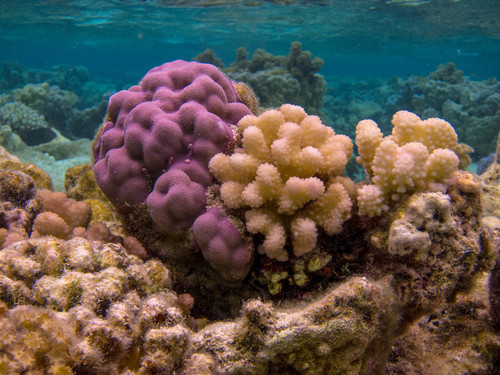
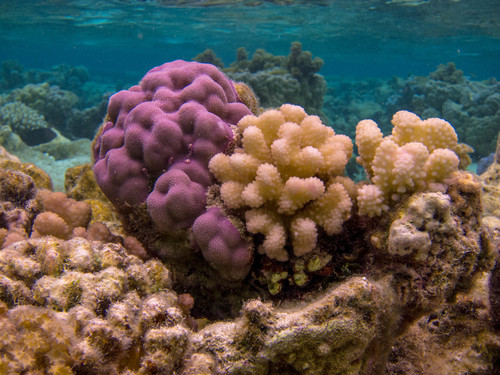
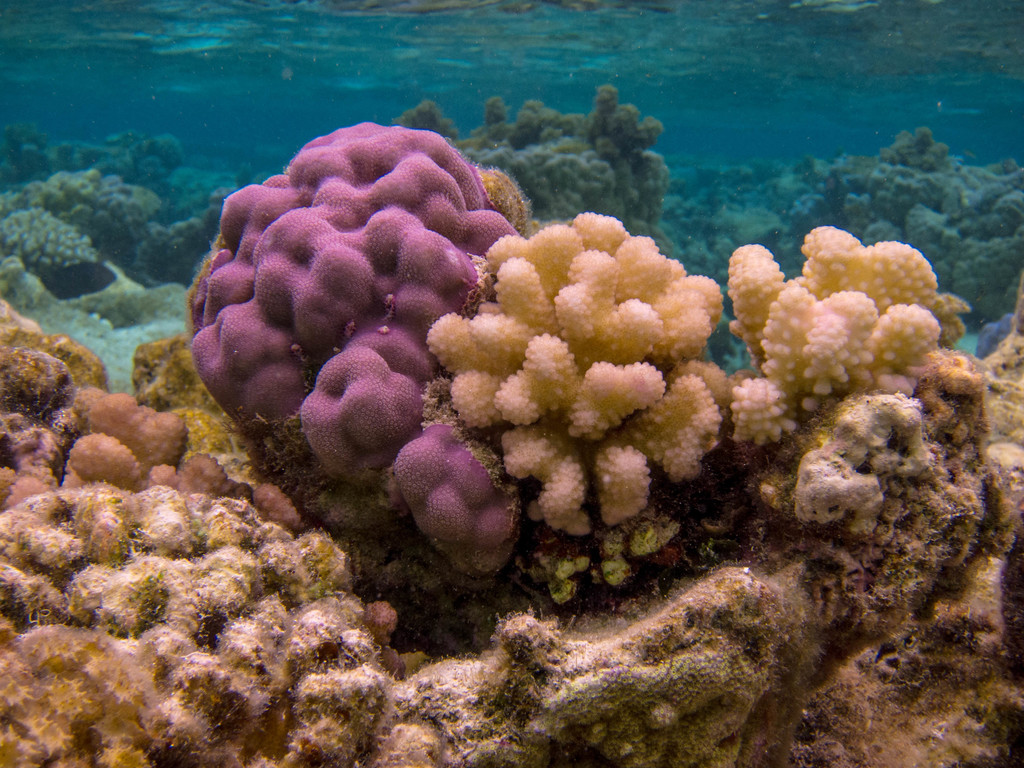
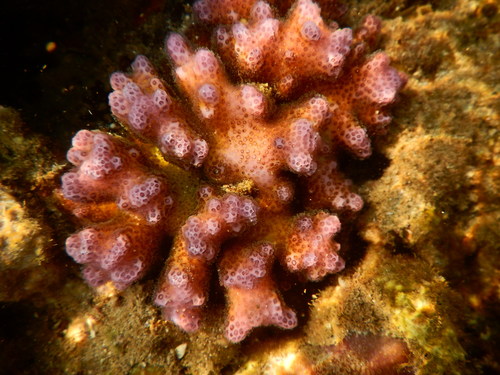
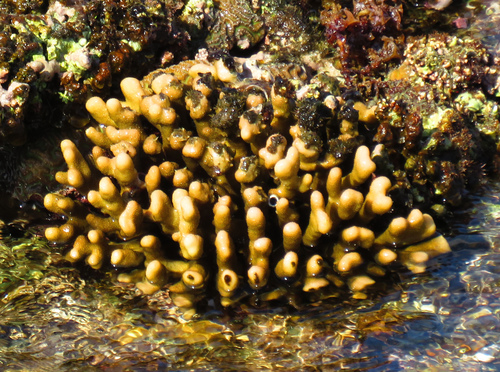
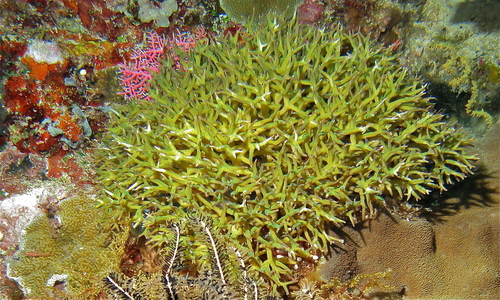
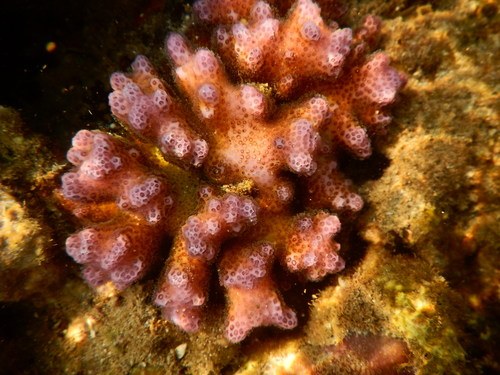
The Pink Cauliflower Coral (Pocillopora damicornis) is a captivating species known for its unique, bushy appearance resembling a cauliflower. This coral exhibits a striking pink hue, which can vary in intensity depending on environmental factors and lighting conditions. Found predominantly in shallow reef environments, this species plays a crucial role in the overall health and biodiversity of coral ecosystems. Its robust structure provides habitat and refuge for a variety of marine organisms, making it an integral part of the reef community.
In terms of morphology, Pink Cauliflower Coral features a branching growth form where polyps extend from the calcareous skeleton, creating a dense and visually appealing structure. The coral's polyps are typically small and can retract during the day, offering protection from predators. The vibrant coloration is a result of symbiotic algae (zooxanthellae) residing within the coral tissues, which contribute to its energy needs through photosynthesis.
Behaviorally, Pocillopora damicornis is known for its resilience and adaptability to varying conditions. It can thrive in diverse environments, from turbid waters to areas with strong currents. This adaptability makes it a popular choice among reef aquarists looking for a hardy coral species. Furthermore, this coral can engage in both asexual and sexual reproduction, contributing to its widespread distribution across the Indo-Pacific region.
The habitat of Pink Cauliflower Coral typically includes shallow lagoons and reef slopes, where it can receive ample sunlight and nutrient flow. These corals often form large colonies, contributing significantly to the structural complexity of coral reefs. Their presence not only enhances the beauty of marine environments but also serves as a vital food source for various marine life, underscoring their ecological importance.
In terms of morphology, Pink Cauliflower Coral features a branching growth form where polyps extend from the calcareous skeleton, creating a dense and visually appealing structure. The coral's polyps are typically small and can retract during the day, offering protection from predators. The vibrant coloration is a result of symbiotic algae (zooxanthellae) residing within the coral tissues, which contribute to its energy needs through photosynthesis.
Behaviorally, Pocillopora damicornis is known for its resilience and adaptability to varying conditions. It can thrive in diverse environments, from turbid waters to areas with strong currents. This adaptability makes it a popular choice among reef aquarists looking for a hardy coral species. Furthermore, this coral can engage in both asexual and sexual reproduction, contributing to its widespread distribution across the Indo-Pacific region.
The habitat of Pink Cauliflower Coral typically includes shallow lagoons and reef slopes, where it can receive ample sunlight and nutrient flow. These corals often form large colonies, contributing significantly to the structural complexity of coral reefs. Their presence not only enhances the beauty of marine environments but also serves as a vital food source for various marine life, underscoring their ecological importance.
For optimal care of Pink Cauliflower Coral, maintaining stable water parameters is essential. Ideal conditions include a temperature range of 24-28°C, a salinity level between 32-35 ppt, and a pH of 8.1-8.4. Regular monitoring ensures that these parameters remain consistent, promoting healthy growth and vibrant coloration.
Feeding is primarily achieved through photosynthesis due to the symbiotic relationship with zooxanthellae. However, supplemental feeding with coral foods rich in plankton can enhance growth and color. Compatibility with other tank inhabitants is generally favorable, as Pocillopora damicornis tends to be less aggressive compared to other coral species, making it suitable for mixed reef tanks.
Acclimation should be conducted slowly to minimize stress, ideally over a period of several hours. It is recommended to place the coral in a location with moderate flow and sufficient light. Quarantine procedures are advised for new arrivals to prevent the introduction of pests or diseases into established tanks, ensuring a healthy environment for both the coral and its companions.
Feeding is primarily achieved through photosynthesis due to the symbiotic relationship with zooxanthellae. However, supplemental feeding with coral foods rich in plankton can enhance growth and color. Compatibility with other tank inhabitants is generally favorable, as Pocillopora damicornis tends to be less aggressive compared to other coral species, making it suitable for mixed reef tanks.
Acclimation should be conducted slowly to minimize stress, ideally over a period of several hours. It is recommended to place the coral in a location with moderate flow and sufficient light. Quarantine procedures are advised for new arrivals to prevent the introduction of pests or diseases into established tanks, ensuring a healthy environment for both the coral and its companions.
Pink Cauliflower Coral is suitable for shipping due to its resilience. It should be packed securely with adequate water to minimize stress during transit. Maintaining a temperature between 20-25°C is crucial to prevent thermal shock. As a marine species, it is not subject to CITES restrictions, allowing for easier export and wholesale transactions.
Species Parameters
Max Adult Size
60.0 cm
Origin
Indo-Pacific
Temp Min
24.0 °C
Temp Max
28.0 °C
Salinity Min
32.000
Salinity Max
35.000
pH Min
8.10
pH Max
8.40
Min Tank
200 L