Lambordi
Pseudotropheus lombardoi
In Stock
Common stock
Wild Caught
Moderate care
Not Reef Safe
SKU: 01-A-02-057-01
The Lambordi is a vibrant African cichlid known for its striking colors and unique behaviors.
Pricing for Verified Importers
Log in to see wholesale prices and order.
Export Size
up to 12.0 cm
Origin
Africa
Temperature
24.0–28.0°C
Min. Tank Size
200 L
pH
7.50–8.50
Diet
herbivore
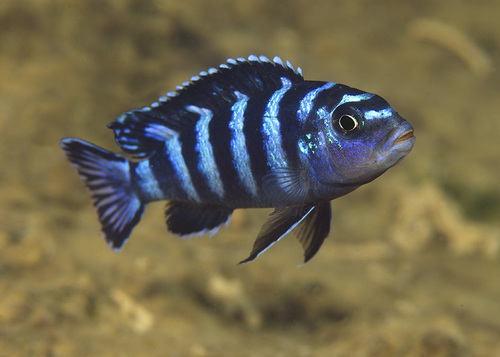
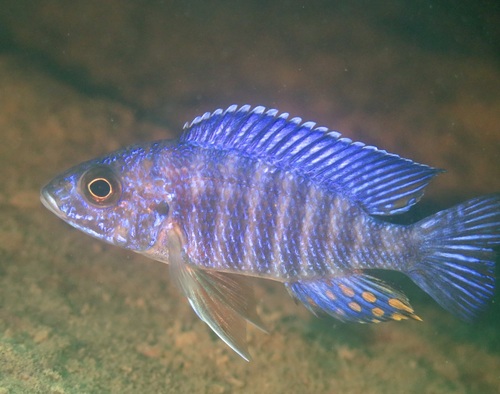
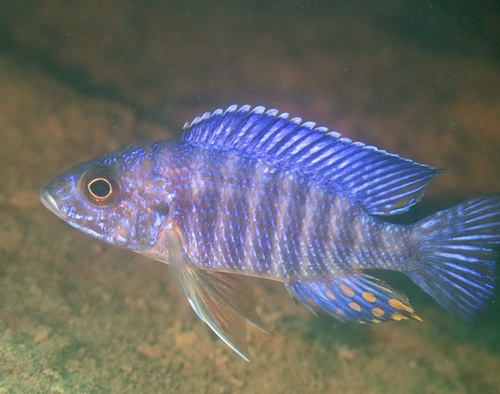
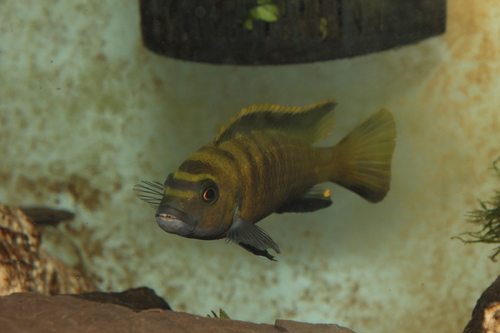
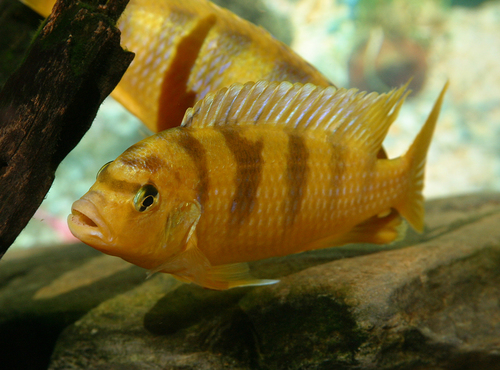
Pseudotropheus lombardoi, commonly known as the Lambordi, is a captivating freshwater cichlid endemic to Lake Malawi in Africa. This species is particularly renowned for its vivid coloration, which can range from deep blue to yellow and even orange, making it a favorite among aquarium enthusiasts. Adult Lambordis typically exhibit a robust body shape with elongated dorsal and anal fins, which enhance their striking appearance. Their vivid colors and patterns not only serve as a visual delight but also play a role in their social interactions and breeding behaviors.
In terms of behavior, Lambordi cichlids are known for their territorial nature, particularly during the breeding season. Males are often more aggressive than females, displaying dominance through color intensity and fin displays. They exhibit interesting courtship rituals that involve elaborate movements and color changes, captivating observers. In their natural habitat, they inhabit rocky substrates where they can hide from predators and establish territories. Their preference for structured environments translates well into aquarium settings, where they thrive when provided with ample hiding spots and territories.
In the wild, Lambordis are primarily herbivorous, feeding on algae and plant matter. This dietary preference is essential for their health and well-being, both in nature and in captivity. When kept in a well-maintained aquarium, these fish can live for several years, making them a worthwhile addition for any cichlid collector. Their adaptability to various water conditions, coupled with their vibrant displays, makes them a popular choice for both hobbyists and wholesalers.
Overall, the Lambordi's striking looks and engaging behavior make it a standout species in the freshwater aquarium trade. Importers and retailers will find that with the right care and conditions, these fish can thrive and offer their customers a unique aquatic experience.
In terms of behavior, Lambordi cichlids are known for their territorial nature, particularly during the breeding season. Males are often more aggressive than females, displaying dominance through color intensity and fin displays. They exhibit interesting courtship rituals that involve elaborate movements and color changes, captivating observers. In their natural habitat, they inhabit rocky substrates where they can hide from predators and establish territories. Their preference for structured environments translates well into aquarium settings, where they thrive when provided with ample hiding spots and territories.
In the wild, Lambordis are primarily herbivorous, feeding on algae and plant matter. This dietary preference is essential for their health and well-being, both in nature and in captivity. When kept in a well-maintained aquarium, these fish can live for several years, making them a worthwhile addition for any cichlid collector. Their adaptability to various water conditions, coupled with their vibrant displays, makes them a popular choice for both hobbyists and wholesalers.
Overall, the Lambordi's striking looks and engaging behavior make it a standout species in the freshwater aquarium trade. Importers and retailers will find that with the right care and conditions, these fish can thrive and offer their customers a unique aquatic experience.
To successfully care for Pseudotropheus lombardoi, importers and retailers should maintain water parameters that mimic their natural habitat. The ideal temperature range is between 24°C to 28°C, with a pH level of 7.5 to 8.5. A minimum tank size of 200 liters is recommended to provide adequate space for territorial behavior. It is essential to use a strong filtration system to keep the water clean and oxygenated, as Lambordis are sensitive to poor water quality.
Feeding should consist of high-quality spirulina flakes, algae wafers, and vegetable matter to meet their herbivorous dietary needs. Supplementing their diet with occasional protein sources, such as brine shrimp or bloodworms, can enhance their health and coloration. When introducing new fish, gradual acclimation over several hours is crucial to reduce stress and prevent shock. A quarantine period of at least two weeks is recommended for new arrivals to ensure they are free from diseases before being introduced to the main tank.
Compatibility-wise, Lambordis can be kept with other cichlids that share similar temperaments, but care should be taken to avoid overly aggressive species. Providing plenty of hiding spots and territories will help minimize aggressive encounters. Overall, with appropriate care and environment, Lambordis can thrive in a well-maintained aquarium setting.
Feeding should consist of high-quality spirulina flakes, algae wafers, and vegetable matter to meet their herbivorous dietary needs. Supplementing their diet with occasional protein sources, such as brine shrimp or bloodworms, can enhance their health and coloration. When introducing new fish, gradual acclimation over several hours is crucial to reduce stress and prevent shock. A quarantine period of at least two weeks is recommended for new arrivals to ensure they are free from diseases before being introduced to the main tank.
Compatibility-wise, Lambordis can be kept with other cichlids that share similar temperaments, but care should be taken to avoid overly aggressive species. Providing plenty of hiding spots and territories will help minimize aggressive encounters. Overall, with appropriate care and environment, Lambordis can thrive in a well-maintained aquarium setting.
Lambordi are suitable for shipping, provided they are packed securely to minimize stress during transport. A packing density of no more than 10 fish per liter is recommended to ensure adequate space and oxygen. Temperature sensitivity requires maintaining water temperatures between 22°C and 26°C during transit. There are currently no CITES restrictions on this species, but it's essential to stay updated on any changes in regulations.
Species Parameters
Max Adult Size
12.0 cm
Origin
Africa
Diet
herbivore
Temp Min
24.0 °C
Temp Max
28.0 °C
pH Min
7.50
pH Max
8.50
Min Tank
200 L