Pseudotropheus Flavus
Pseudotropheus Flavus
Out of Stock
Scarce stock
Wild Caught
Moderate care
Not Reef Safe
SKU: 01-A-02-056-01
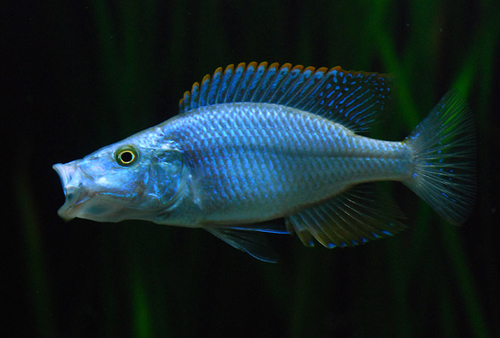
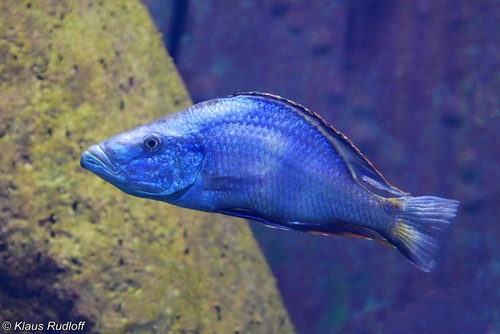
Admired for its vibrant coloration, Pseudotropheus Flavus is a stunning freshwater fish native to Lake Malawi.
Pricing for Verified Importers
Log in to see wholesale prices and order.
Export Size
up to 15.0 cm
Origin
Lake Malawi
Temperature
24.0–28.0°C
Min. Tank Size
200 L
pH
7.80–8.60
Diet
herbivore
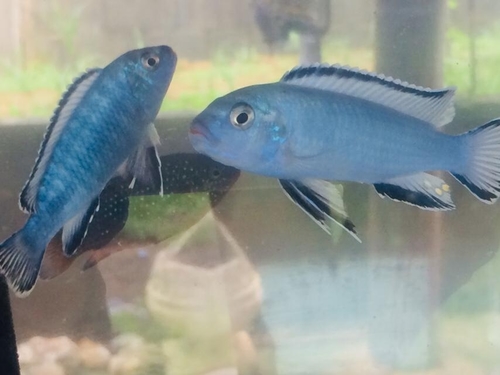
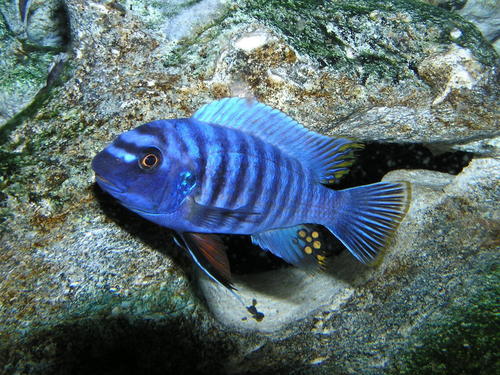
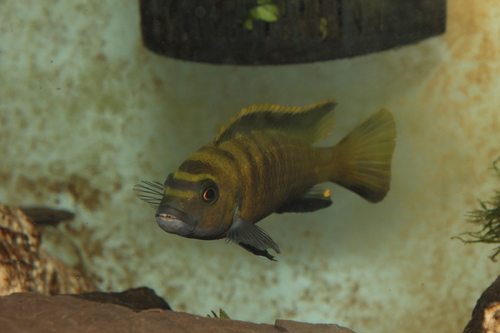
Pseudotropheus Flavus, commonly known as the yellow mbuna, is a freshwater fish species endemic to Lake Malawi in East Africa. This cichlid is renowned for its striking yellow coloration, which can vary in intensity among individuals. Typically, males exhibit brighter hues, while females tend to be more muted, providing an interesting dynamic in the aquarium setting. Adult Pseudotropheus Flavus can reach lengths of up to 15 cm, making them a notable presence in community tanks.
In their natural habitat, Pseudotropheus Flavus inhabits rocky substrates where they can find shelter and breeding grounds. They are known for their territorial behavior, particularly males, who will fiercely defend their chosen area against intruders. These fish are herbivorous, primarily feeding on algae and plant matter, which they graze from the rocks. Their behavior in groups often involves intricate social interactions, making them engaging to observe in a well-planted aquarium.
Pseudotropheus Flavus thrives in stable, clean water conditions typical of Lake Malawi, characterized by a pH range of 7.8 to 8.6. The species prefers slightly higher temperatures, which mimic their natural environment, making them sensitive to drastic changes. Providing ample hiding spots and open swimming areas is essential to replicate their natural habitat effectively.
This species plays a crucial role in its ecosystem, contributing to the control of algae growth on rocky surfaces. Due to their popularity in the aquarium trade, it's essential to ensure sustainable practices in their collection and export, helping to maintain the delicate balance of Lake Malawi's biodiversity.
In their natural habitat, Pseudotropheus Flavus inhabits rocky substrates where they can find shelter and breeding grounds. They are known for their territorial behavior, particularly males, who will fiercely defend their chosen area against intruders. These fish are herbivorous, primarily feeding on algae and plant matter, which they graze from the rocks. Their behavior in groups often involves intricate social interactions, making them engaging to observe in a well-planted aquarium.
Pseudotropheus Flavus thrives in stable, clean water conditions typical of Lake Malawi, characterized by a pH range of 7.8 to 8.6. The species prefers slightly higher temperatures, which mimic their natural environment, making them sensitive to drastic changes. Providing ample hiding spots and open swimming areas is essential to replicate their natural habitat effectively.
This species plays a crucial role in its ecosystem, contributing to the control of algae growth on rocky surfaces. Due to their popularity in the aquarium trade, it's essential to ensure sustainable practices in their collection and export, helping to maintain the delicate balance of Lake Malawi's biodiversity.
For successful care of Pseudotropheus Flavus, it is essential to maintain water parameters that closely match their natural habitat. Ideal temperature ranges from 24°C to 28°C, while pH levels should be kept between 7.8 and 8.6. A minimum tank size of 200 liters is recommended to accommodate their territorial nature and to provide sufficient space for swimming and hiding.
Feeding should consist of high-quality spirulina flakes, algae wafers, and occasional vegetable matter to ensure a balanced diet. Regular feeding schedules should be established, offering small amounts multiple times a day to promote healthy growth and minimize waste.
Compatibility is vital as Pseudotropheus Flavus can be aggressive; therefore, it is best kept with other similar-sized African cichlids that can handle their temperament. Acclimation should be done slowly to prevent shock, ideally using the drip acclimation method. Quarantine new arrivals for at least two weeks to monitor for any signs of disease before introducing them to the main tank, ensuring the health of your community.
Regular maintenance, including water changes and monitoring for algae growth, is crucial to keep the environment healthy. By understanding their needs and behaviors, importers and retailers can ensure the well-being of Pseudotropheus Flavus in aquarium settings.
Feeding should consist of high-quality spirulina flakes, algae wafers, and occasional vegetable matter to ensure a balanced diet. Regular feeding schedules should be established, offering small amounts multiple times a day to promote healthy growth and minimize waste.
Compatibility is vital as Pseudotropheus Flavus can be aggressive; therefore, it is best kept with other similar-sized African cichlids that can handle their temperament. Acclimation should be done slowly to prevent shock, ideally using the drip acclimation method. Quarantine new arrivals for at least two weeks to monitor for any signs of disease before introducing them to the main tank, ensuring the health of your community.
Regular maintenance, including water changes and monitoring for algae growth, is crucial to keep the environment healthy. By understanding their needs and behaviors, importers and retailers can ensure the well-being of Pseudotropheus Flavus in aquarium settings.
Pseudotropheus Flavus is suitable for shipping, provided proper precautions are taken. Use insulated boxes with adequate oxygen supply and water quality management to maintain stability during transit. Packing density should allow for sufficient space, generally 1-2 fish per liter, to minimize stress. These cichlids are sensitive to temperature changes, so maintaining a range of 24°C to 28°C during shipping is critical. There are no CITES restrictions on this species, simplifying export procedures.
Species Parameters
Max Adult Size
15.0 cm
Origin
Lake Malawi
Diet
herbivore
Temp Min
24.0 °C
Temp Max
28.0 °C
pH Min
7.80
pH Max
8.60
Min Tank
200 L