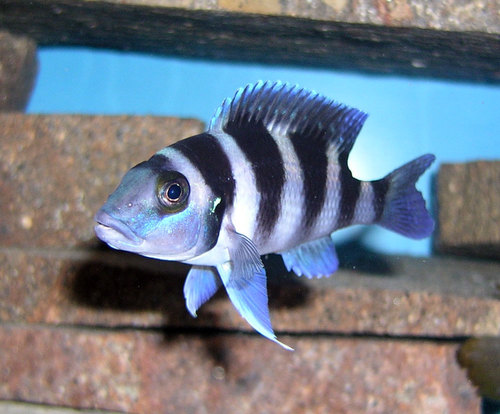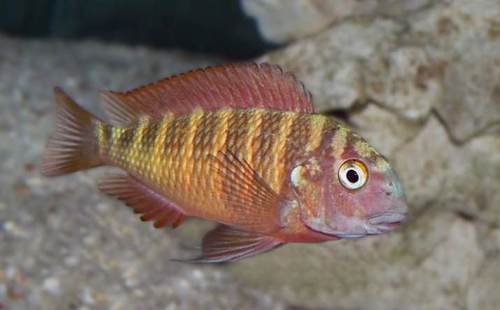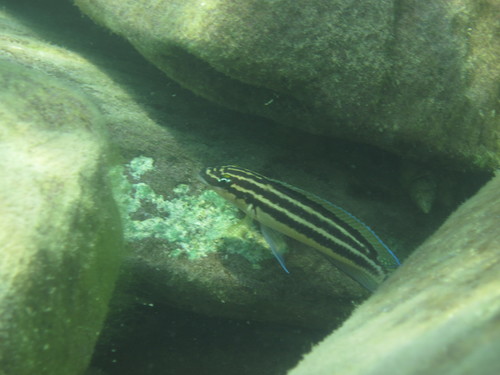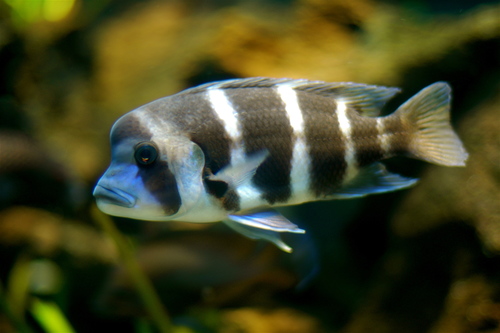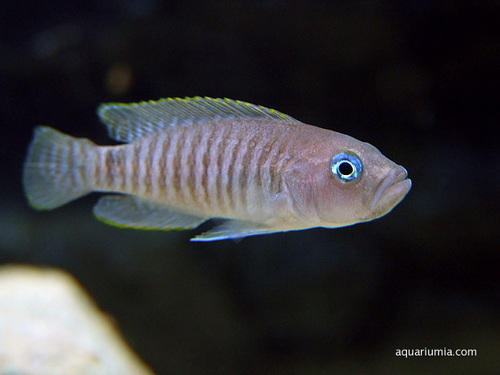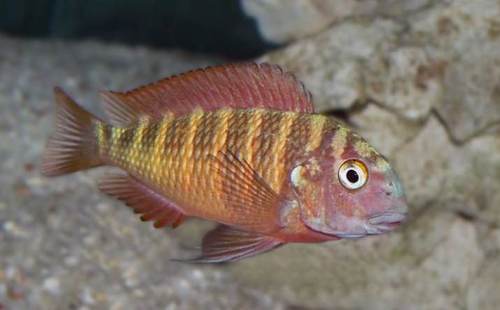
Assorted Tropheus (Moorii "Golden Kazumba", Moori Chilambo Yellow Rainbow, Moorii "mpulungu", annectens)
Tropheus moorii
In Stock
Common stock
Wild Caught
Moderate care
Not Reef Safe
SKU: 01-A-01-101-01
Discover the vibrant colors and unique behaviors of assorted Tropheus cichlids from Lake Tanganyika.
Pricing for Verified Importers
Log in to see wholesale prices and order.
Export Size
up to 15.0 cm
Origin
East Africa
Temperature
24.0–28.0°C
Min. Tank Size
200 L
pH
7.80–9.00
Diet
herbivore
Tropheus moorii is a captivating species of cichlid endemic to Lake Tanganyika in Africa, known for its diverse color morphs that range from deep greens to vibrant yellows and fiery reds. Among the most sought-after varieties are the Moorii 'Golden Kazumba,' Moori Chilambo Yellow Rainbow, Moorii 'mpulungu,' and annectens, each showcasing distinct hues and patterns that enhance any aquarium display. These fish are not only visually stunning but also exhibit intriguing behaviors, making them a favorite among aquarists.
In their natural habitat, Tropheus moorii primarily inhabit rocky shorelines where they graze on filamentous algae. Their specialized feeding behavior allows them to thrive in this environment, and they play a crucial role in maintaining the ecological balance of their lake. As maternal mouthbrooders, female Tropheus moorii exhibit nurturing behaviors by carrying fertilized eggs and young fry in their mouths until they are ready to fend for themselves. This unique reproductive strategy highlights their adaptability and the strong parental instincts of the species.
Tropheus moorii is a social fish that often forms large groups, displaying a range of social interactions, from cooperative feeding to establishing dominance hierarchies. Their vibrant colors and engaging behaviors make them a dynamic addition to community aquariums where they can be observed interacting with their peers. However, their territorial nature can lead to aggression, especially during breeding periods, necessitating careful consideration of tank mates.
Providing an environment that mimics their natural habitat is essential for their well-being. This includes incorporating rocky structures and ample algae growth, which encourages natural foraging behaviors. With proper care, these cichlids can thrive, providing aquarists with a rewarding and visually stunning aquatic experience.
In their natural habitat, Tropheus moorii primarily inhabit rocky shorelines where they graze on filamentous algae. Their specialized feeding behavior allows them to thrive in this environment, and they play a crucial role in maintaining the ecological balance of their lake. As maternal mouthbrooders, female Tropheus moorii exhibit nurturing behaviors by carrying fertilized eggs and young fry in their mouths until they are ready to fend for themselves. This unique reproductive strategy highlights their adaptability and the strong parental instincts of the species.
Tropheus moorii is a social fish that often forms large groups, displaying a range of social interactions, from cooperative feeding to establishing dominance hierarchies. Their vibrant colors and engaging behaviors make them a dynamic addition to community aquariums where they can be observed interacting with their peers. However, their territorial nature can lead to aggression, especially during breeding periods, necessitating careful consideration of tank mates.
Providing an environment that mimics their natural habitat is essential for their well-being. This includes incorporating rocky structures and ample algae growth, which encourages natural foraging behaviors. With proper care, these cichlids can thrive, providing aquarists with a rewarding and visually stunning aquatic experience.
When caring for assorted Tropheus moorii, it's crucial to maintain stable water parameters. Ideal temperature ranges from 24°C to 28°C, with a pH level between 7.8 and 9.0 to mimic their natural alkaline lake environment. A minimum tank size of 200 liters is recommended to accommodate their active nature and territorial behavior.
Feeding should focus on high-quality spirulina-based pellets and flakes, supplemented with fresh algae and vegetables to ensure a balanced diet. It is essential to feed them multiple times a day in small amounts to prevent overfeeding and maintain water quality. Compatibility should be approached cautiously; they do best in species-specific tanks or with other Tanganyika cichlids that share similar temperaments.
Acclimation is vital for reducing stress during transport. Gradually introduce the fish to their new environment over several hours, using a drip acclimation method if possible. Additionally, a quarantine period of at least two weeks is highly recommended before introducing new specimens to an established aquarium to prevent the spread of disease and ensure the health of your existing stock.
Feeding should focus on high-quality spirulina-based pellets and flakes, supplemented with fresh algae and vegetables to ensure a balanced diet. It is essential to feed them multiple times a day in small amounts to prevent overfeeding and maintain water quality. Compatibility should be approached cautiously; they do best in species-specific tanks or with other Tanganyika cichlids that share similar temperaments.
Acclimation is vital for reducing stress during transport. Gradually introduce the fish to their new environment over several hours, using a drip acclimation method if possible. Additionally, a quarantine period of at least two weeks is highly recommended before introducing new specimens to an established aquarium to prevent the spread of disease and ensure the health of your existing stock.
Assorted Tropheus moorii is suitable for shipping with proper precautions. Fish should be packed with adequate space to minimize stress and ensure their well-being during transit. A packing density of 1 fish per 2 liters is recommended. Temperature sensitivity requires maintaining a range of 24°C to 28°C during shipping to avoid shock. Currently, there are no CITES restrictions for this species, allowing for straightforward export processes.
Species Parameters
Max Adult Size
15.0 cm
Origin
East Africa
Diet
herbivore
Temp Min
24.0 °C
Temp Max
28.0 °C
pH Min
7.80
pH Max
9.00
Min Tank
200 L