Multies Shell Dweller Cichlid
Neolamprologus multifasciatus
In Stock
Common stock
Wild Caught
Moderate care
Not Reef Safe
SKU: 01-A-01-047-00
Discover the charming Multies Shell Dweller Cichlid, a unique inhabitant of Lake Tanganyika.
Pricing for Verified Importers
Log in to see wholesale prices and order.
Export Size
up to 5.0 cm
Origin
Lake Tanganyika
Temperature
24.0–28.0°C
Min. Tank Size
60 L
pH
7.50–9.00
Diet
omnivore
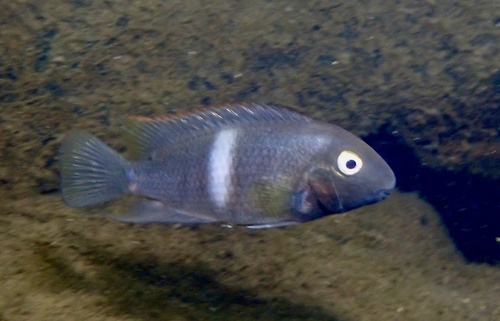
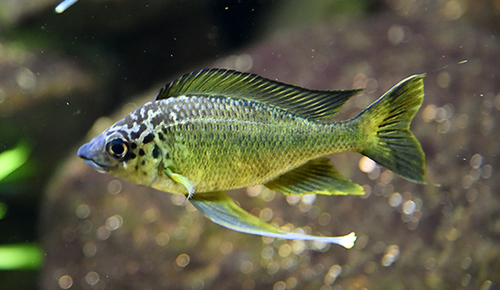
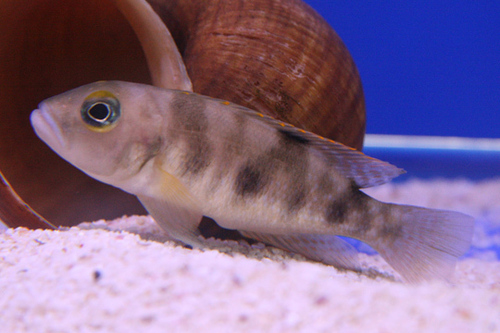
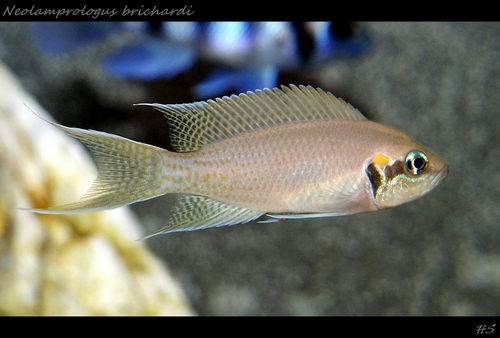
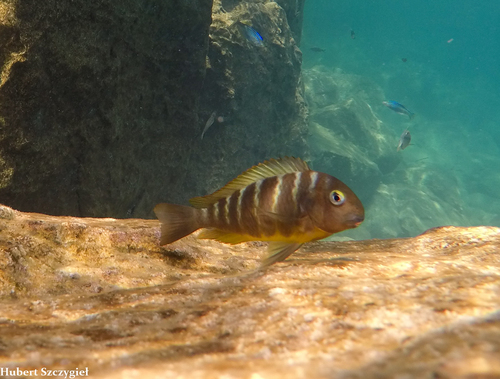
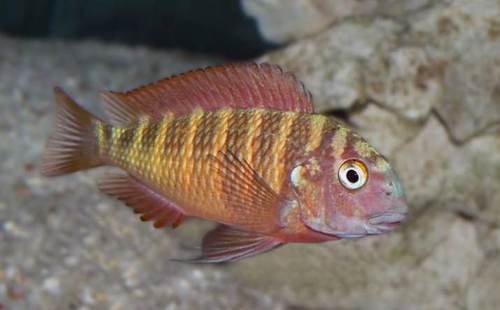
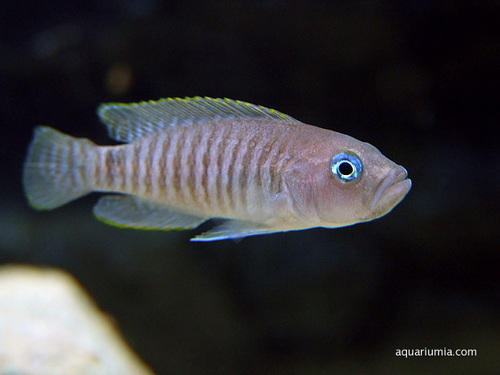
The Multies Shell Dweller Cichlid (Neolamprologus multifasciatus) is a remarkable species endemic to Lake Tanganyika in East Africa, renowned for its small size and unique behavior. As one of the smallest cichlids in the Cichlidae family, males can grow up to 5 cm, while females typically reach only 2.5 cm. Their fusiform body is characterized by a light brown to beige coloration adorned with distinctive dark vertical bands, complemented by striking white or blue irises and black pupils.
These cichlids exhibit fascinating social structures, often forming colonies around empty snail shells, where they breed and care for their young. The shells serve as protective habitats, allowing the fish to retreat from potential threats. In their natural habitat, these fish thrive in rocky substrates of the lake, often seen darting in and out of shells, showcasing their playful nature and territorial behaviors. Their social interactions are complex, with established hierarchies within colonies.
Neolamprologus multifasciatus are not only visually appealing but also possess interesting behavioral traits. Unlike many other cichlid species, they are peaceful and can coexist with similar-sized fish. Their small stature and unique dwelling habits make them a captivating choice for aquarists looking to create a diverse community tank focused on shell-dwelling species.
In terms of habitat, these cichlids prefer warm, well-oxygenated waters with ample hiding spots and structures that mimic their natural environment. The presence of shells is crucial for their well-being, as they rely on them for breeding and shelter from larger fish.
These cichlids exhibit fascinating social structures, often forming colonies around empty snail shells, where they breed and care for their young. The shells serve as protective habitats, allowing the fish to retreat from potential threats. In their natural habitat, these fish thrive in rocky substrates of the lake, often seen darting in and out of shells, showcasing their playful nature and territorial behaviors. Their social interactions are complex, with established hierarchies within colonies.
Neolamprologus multifasciatus are not only visually appealing but also possess interesting behavioral traits. Unlike many other cichlid species, they are peaceful and can coexist with similar-sized fish. Their small stature and unique dwelling habits make them a captivating choice for aquarists looking to create a diverse community tank focused on shell-dwelling species.
In terms of habitat, these cichlids prefer warm, well-oxygenated waters with ample hiding spots and structures that mimic their natural environment. The presence of shells is crucial for their well-being, as they rely on them for breeding and shelter from larger fish.
To maintain the health of Multies Shell Dweller Cichlids, it is essential to replicate their natural habitat as closely as possible. The recommended water parameters include a temperature range of 24-28°C, pH levels between 7.5 and 9.0, and a hardness of 10-20 dGH. A minimum tank size of 60 liters is advisable to provide ample space for the colonies to thrive.
Feeding these cichlids is straightforward, as they are primarily omnivorous. A varied diet consisting of high-quality flakes, pellets, and occasional frozen or live foods such as brine shrimp and daphnia will ensure optimal health and vibrant colors. It's critical to feed them small portions multiple times a day to stimulate natural foraging behaviors.
Compatibility is key; they should be housed with similarly sized, peaceful fish to avoid aggression. Acclimation to a new environment should be gradual, using the drip acclimation method to help them adjust to changes in water parameters. Quarantine new arrivals for at least two weeks to prevent the introduction of diseases into the main tank.
Feeding these cichlids is straightforward, as they are primarily omnivorous. A varied diet consisting of high-quality flakes, pellets, and occasional frozen or live foods such as brine shrimp and daphnia will ensure optimal health and vibrant colors. It's critical to feed them small portions multiple times a day to stimulate natural foraging behaviors.
Compatibility is key; they should be housed with similarly sized, peaceful fish to avoid aggression. Acclimation to a new environment should be gradual, using the drip acclimation method to help them adjust to changes in water parameters. Quarantine new arrivals for at least two weeks to prevent the introduction of diseases into the main tank.
Multies Shell Dweller Cichlids are suitable for shipping due to their small size and hardiness. Packing density should be moderate to prevent stress during transport. They are sensitive to extreme temperature fluctuations; therefore, maintaining a stable temperature between 24-28°C during transit is crucial. CITES status is not applicable for this species, simplifying export procedures.
Species Parameters
Max Adult Size
5.0 cm
Origin
Lake Tanganyika
Diet
omnivore
Temp Min
24.0 °C
Temp Max
28.0 °C
pH Min
7.50
pH Max
9.00
Min Tank
60 L