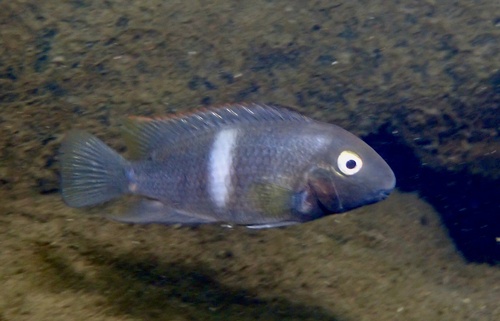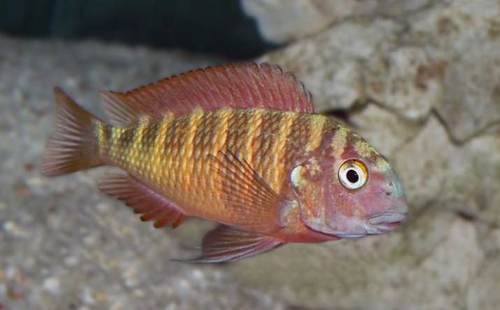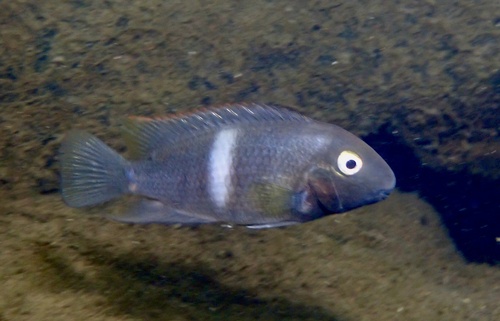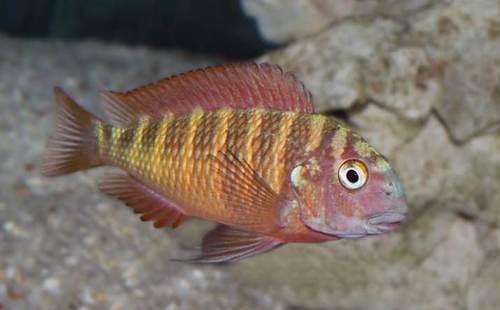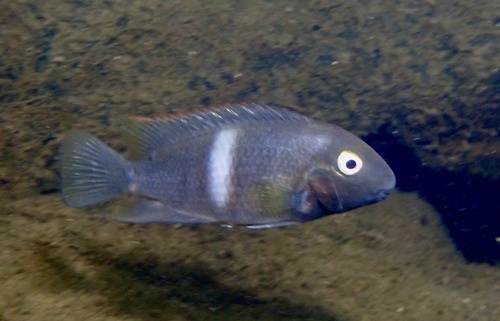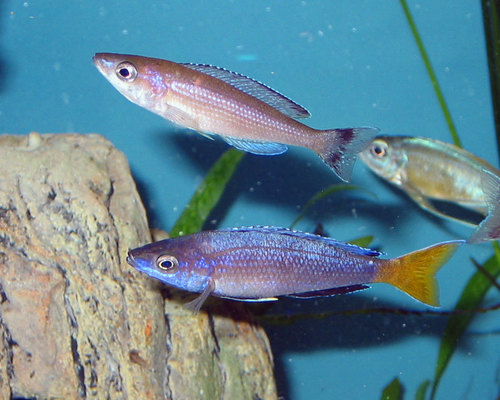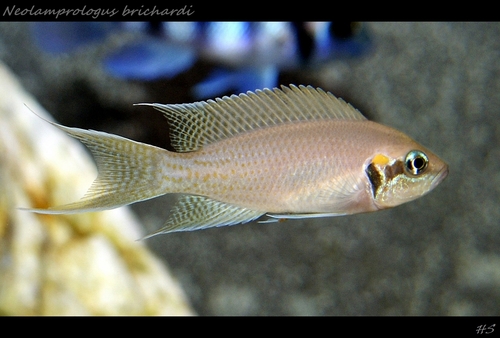
Black Lamprologus calvus
Lamprologus calvus
Out of Stock
Scarce stock
Wild Caught
Moderate care
Not Reef Safe
SKU: 01-A-01-042-01
Discover the unique Black Lamprologus calvus, a striking cichlid from Lake Tanganyika.
Pricing for Verified Importers
Log in to see wholesale prices and order.
Export Size
up to 10.0 cm
Origin
Lake Tanganyika
Temperature
24.0–28.0°C
Min. Tank Size
100 L
pH
7.80–9.00
Diet
carnivore
The Black Lamprologus calvus, commonly known as the Calvus Cichlid, is a distinctive freshwater fish native to the rocky shorelines of Lake Tanganyika in East Africa. This species showcases a fascinating blend of colors, typically featuring a dark black or dark brown body adorned with subtle yellow or white markings, which enhance its visual appeal in an aquarium setting. Their unique shape, characterized by a compressed body and elongated fins, makes them stand out among other cichlid species.
In terms of natural history, Black Lamprologus calvus thrives in rocky habitats where they can find crevices to hide and spawn. They exhibit intriguing behaviors, such as territoriality and a preference for solitary or small group living. This species is known for its peaceful nature towards other fish, though it can be assertive when establishing territory. In the wild, they primarily feed on small invertebrates, which contributes to their importance in the aquatic ecosystem of Lake Tanganyika.
Behaviorally, these cichlids are known for their unique breeding habits, where they dig pits in the substrate to lay their eggs. The parental care exhibited by both male and female ensures the survival of the young, showcasing their commitment to offspring. Their habitat is typically characterized by stable water conditions, which is essential for their well-being and breeding success.
Overall, the Black Lamprologus calvus is not only visually stunning but also offers fascinating behavioral traits that make it a favorite among aquarium enthusiasts. Its calm demeanor and unique breeding habits make it an excellent addition to community tanks, provided they have the right companions and environment.
In terms of natural history, Black Lamprologus calvus thrives in rocky habitats where they can find crevices to hide and spawn. They exhibit intriguing behaviors, such as territoriality and a preference for solitary or small group living. This species is known for its peaceful nature towards other fish, though it can be assertive when establishing territory. In the wild, they primarily feed on small invertebrates, which contributes to their importance in the aquatic ecosystem of Lake Tanganyika.
Behaviorally, these cichlids are known for their unique breeding habits, where they dig pits in the substrate to lay their eggs. The parental care exhibited by both male and female ensures the survival of the young, showcasing their commitment to offspring. Their habitat is typically characterized by stable water conditions, which is essential for their well-being and breeding success.
Overall, the Black Lamprologus calvus is not only visually stunning but also offers fascinating behavioral traits that make it a favorite among aquarium enthusiasts. Its calm demeanor and unique breeding habits make it an excellent addition to community tanks, provided they have the right companions and environment.
To successfully care for Black Lamprologus calvus, maintain water parameters that closely resemble their natural habitat. Ideal conditions include a temperature range of 24-28°C, a pH level between 7.8 and 9.0, and soft to moderately hard water. Regular water changes are crucial to keep the environment clean and stable.
Feeding should consist of high-quality pellets, frozen or live foods such as brine shrimp and daphnia, which mimic their natural diet of invertebrates. It's essential to ensure that the food is appropriate for their size and age, as they can be picky eaters.
In terms of compatibility, Black Lamprologus calvus generally does well with peaceful community fish, but care should be taken when introducing them to aggressive species. They thrive best in a species-specific tank or with other Lake Tanganyika cichlids. Acclimation should be done slowly to reduce stress, using the drip acclimation method over a few hours. Quarantine new arrivals for at least two weeks to prevent the introduction of diseases into the main tank.
Feeding should consist of high-quality pellets, frozen or live foods such as brine shrimp and daphnia, which mimic their natural diet of invertebrates. It's essential to ensure that the food is appropriate for their size and age, as they can be picky eaters.
In terms of compatibility, Black Lamprologus calvus generally does well with peaceful community fish, but care should be taken when introducing them to aggressive species. They thrive best in a species-specific tank or with other Lake Tanganyika cichlids. Acclimation should be done slowly to reduce stress, using the drip acclimation method over a few hours. Quarantine new arrivals for at least two weeks to prevent the introduction of diseases into the main tank.
Black Lamprologus calvus is suitable for shipping due to its hardy nature. It is recommended to pack them in well-oxygenated bags with minimal water to reduce stress. A shipping density of 1 fish per 2 liters is advisable for optimal health during transit. Temperature should be maintained between 24-28°C. This species is not listed under CITES, making it easier to export.
Species Parameters
Max Adult Size
10.0 cm
Origin
Lake Tanganyika
Diet
carnivore
Temp Min
24.0 °C
Temp Max
28.0 °C
pH Min
7.80
pH Max
9.00
Min Tank
100 L