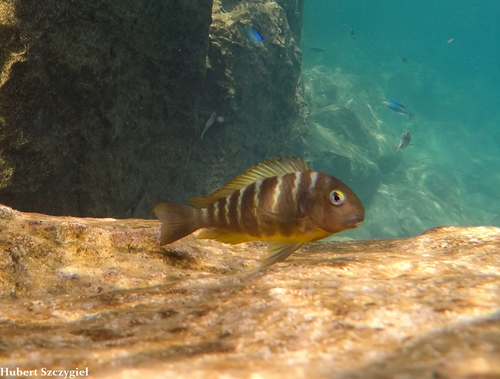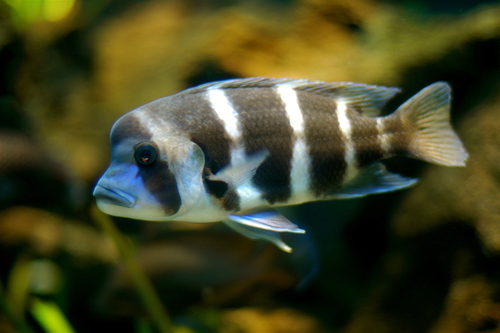
Frontosa mpimbwe
Cyphotilapia frontosa
In Stock
Common stock
Wild Caught
Moderate care
Not Reef Safe
SKU: 01-A-01-013-01
The Frontosa mpimbwe captivates with its striking appearance and unique behaviors.
Pricing for Verified Importers
Log in to see wholesale prices and order.
Export Size
up to 30.0 cm
Origin
Lake Tanganyika
Temperature
24.0–28.0°C
Min. Tank Size
200 L
pH
7.80–9.00
Diet
carnivore
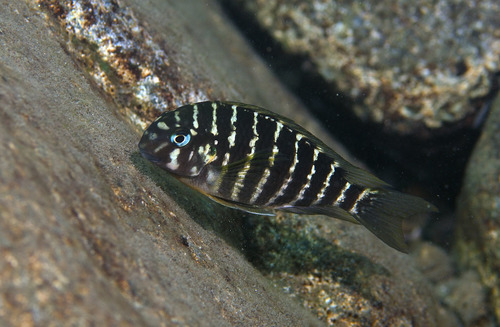
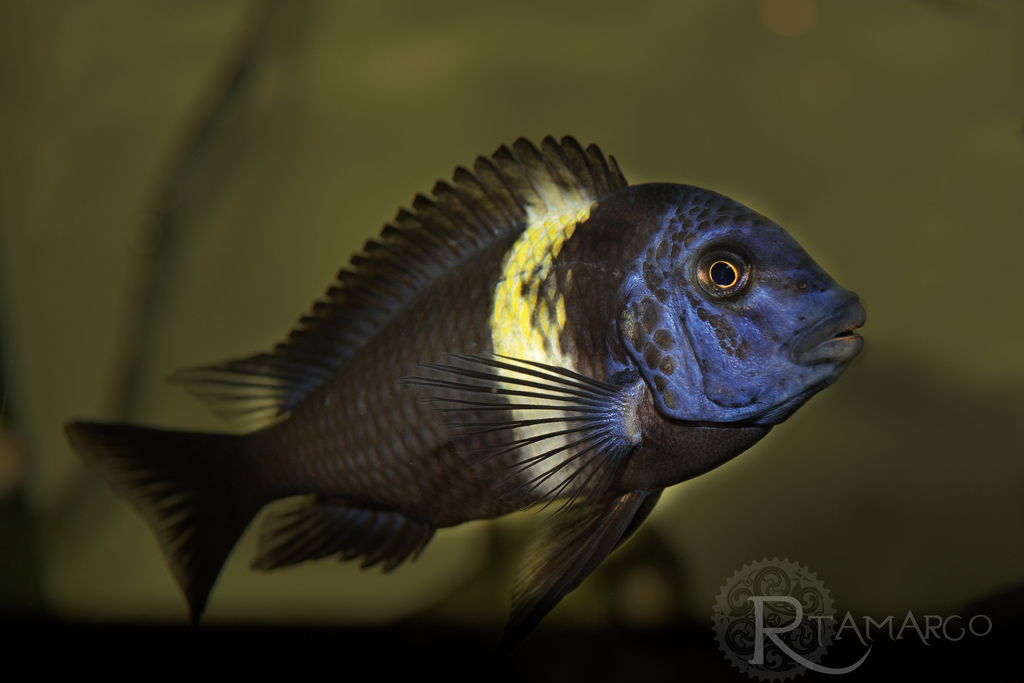
The Frontosa mpimbwe (Cyphotilapia frontosa) is a stunning freshwater fish native to the rocky environments of Lake Tanganyika in East Africa. This species is known for its impressive size, reaching lengths of up to 30 cm, and its distinctive coloration, which features a striking combination of deep blues and vibrant yellows. The Frontosa’s elongated body is complemented by large, flowing fins, making it a visually striking addition to any aquarium.
In terms of natural history, Frontosas are typically found in deeper waters, preferring rocky substrates where they can hide and spawn. They are social fish, often forming small groups, but can display territorial behaviors, especially during breeding. Their diet in the wild primarily consists of smaller fish and invertebrates, showcasing their carnivorous nature. This species is known for its slow growth and long lifespan, often exceeding 20 years in a well-maintained aquarium.
Behaviorally, Frontosas are relatively peaceful with other larger cichlids but can be aggressive towards smaller fish. They exhibit interesting behaviors such as digging and rearranging substrate, which is essential for their well-being in captivity. Maintaining a suitable environment that mimics their natural habitat is critical for their health and happiness.
Overall, the Frontosa mpimbwe is a captivating species that thrives in aquariums that replicate the rocky landscapes of Lake Tanganyika, providing both visual appeal and engaging behavior for fish enthusiasts.
In terms of natural history, Frontosas are typically found in deeper waters, preferring rocky substrates where they can hide and spawn. They are social fish, often forming small groups, but can display territorial behaviors, especially during breeding. Their diet in the wild primarily consists of smaller fish and invertebrates, showcasing their carnivorous nature. This species is known for its slow growth and long lifespan, often exceeding 20 years in a well-maintained aquarium.
Behaviorally, Frontosas are relatively peaceful with other larger cichlids but can be aggressive towards smaller fish. They exhibit interesting behaviors such as digging and rearranging substrate, which is essential for their well-being in captivity. Maintaining a suitable environment that mimics their natural habitat is critical for their health and happiness.
Overall, the Frontosa mpimbwe is a captivating species that thrives in aquariums that replicate the rocky landscapes of Lake Tanganyika, providing both visual appeal and engaging behavior for fish enthusiasts.
To successfully care for Frontosa mpimbwe, it is vital to maintain stable water parameters. Ideal conditions include a temperature range of 24-28°C, a pH between 7.8-9.0, and a minimum tank size of 200 liters to provide ample swimming space and territory. They require a well-filtered environment with moderate to strong water flow and should be provided with plenty of hiding spots, such as caves and rock formations, to reduce stress and promote natural behaviors.
Feeding Frontosas is straightforward; they thrive on a diet of high-quality pellets, frozen or live foods like brine shrimp or bloodworms. It is essential to feed them appropriately sized foods to prevent health issues. Compatibility is crucial; they do well with other larger cichlids but should be kept away from small or overly aggressive species to avoid stress or injury.
Acclimation is recommended when introducing Frontosas to a new tank. Use a drip acclimation method to ensure they adjust to the new water parameters gently. Additionally, a quarantine period of at least two weeks is advisable for any new arrivals to monitor for diseases or parasites before introducing them to the main tank.
Feeding Frontosas is straightforward; they thrive on a diet of high-quality pellets, frozen or live foods like brine shrimp or bloodworms. It is essential to feed them appropriately sized foods to prevent health issues. Compatibility is crucial; they do well with other larger cichlids but should be kept away from small or overly aggressive species to avoid stress or injury.
Acclimation is recommended when introducing Frontosas to a new tank. Use a drip acclimation method to ensure they adjust to the new water parameters gently. Additionally, a quarantine period of at least two weeks is advisable for any new arrivals to monitor for diseases or parasites before introducing them to the main tank.
Frontosa mpimbwe is suitable for shipping with careful handling. Packing density should be low to avoid stress during transit, and water temperature should be maintained between 24-28°C. As a freshwater species, they are not subject to CITES regulations, but it is essential to ensure compliance with local laws regarding fish export.
Species Parameters
Max Adult Size
30.0 cm
Origin
Lake Tanganyika
Diet
carnivore
Temp Min
24.0 °C
Temp Max
28.0 °C
pH Min
7.80
pH Max
9.00
Min Tank
200 L