Cockatoo Dwarf
Apistogramma cacatuoides
In Stock
Common stock
Wild Caught
Moderate care
Not Reef Safe
SKU: 01-A-03-057-01
The Cockatoo Dwarf is a vibrant freshwater fish known for its stunning coloration and captivating behavior.
Pricing for Verified Importers
Log in to see wholesale prices and order.
Export Size
up to 7.0 cm
Origin
Amazon Basin
Temperature
24.0–28.0°C
Min. Tank Size
80 L
pH
6.00–7.50
Diet
omnivore
Apistogramma cacatuoides, commonly known as the Cockatoo Dwarf, is a small freshwater cichlid native to the Amazon Basin, particularly in areas with slow-moving waters. This species thrives in densely planted habitats, where it can find both shelter and breeding sites. Its natural environment consists of soft, acidic waters, often shaded by overhanging vegetation, which plays a crucial role in its development and behavior.
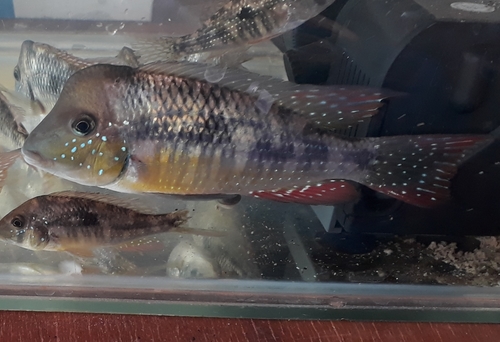
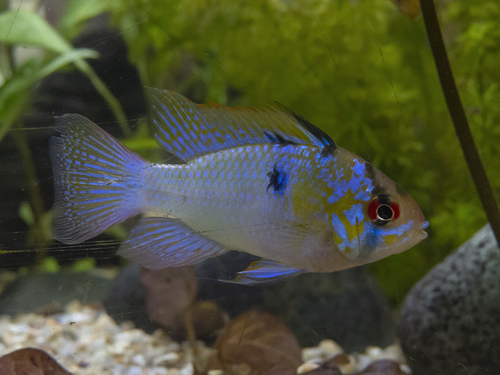
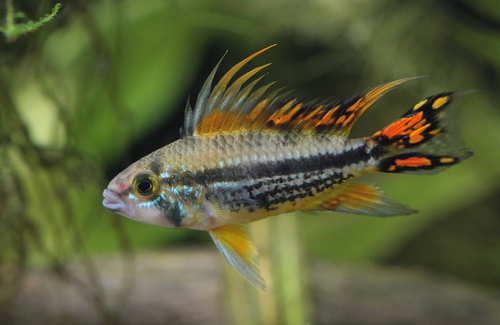
The Cockatoo Dwarf is renowned for its striking appearance, featuring a vibrant palette of colors that includes yellows, blues, and reds. Males are particularly colorful, showcasing elongated dorsal fins resembling a cockatoo's crest, which is where the species gets its name. Females are generally smaller and less colorful, but they possess distinctive patterns that are equally appealing. Their small size, typically reaching up to 7 cm, makes them an excellent choice for nano aquariums.
Behaviorally, the Cockatoo Dwarf is known for its territorial nature, especially during breeding periods. Males will establish and defend a territory, often displaying elaborate courtship behaviors to attract females. These fish are also social creatures that can coexist with other species in appropriately sized tanks, provided that there are enough hiding spots and the tank is not overcrowded.
In the aquarium, they require a well-maintained environment that mimics their natural habitat. A sandy substrate, plenty of hiding spaces created from rocks and plants, and subdued lighting can help create a stress-free environment for these enchanting fish. Their engaging behaviors and vibrant colors make them a highlight in any freshwater aquarium setup.
The Cockatoo Dwarf is renowned for its striking appearance, featuring a vibrant palette of colors that includes yellows, blues, and reds. Males are particularly colorful, showcasing elongated dorsal fins resembling a cockatoo's crest, which is where the species gets its name. Females are generally smaller and less colorful, but they possess distinctive patterns that are equally appealing. Their small size, typically reaching up to 7 cm, makes them an excellent choice for nano aquariums.
Behaviorally, the Cockatoo Dwarf is known for its territorial nature, especially during breeding periods. Males will establish and defend a territory, often displaying elaborate courtship behaviors to attract females. These fish are also social creatures that can coexist with other species in appropriately sized tanks, provided that there are enough hiding spots and the tank is not overcrowded.
In the aquarium, they require a well-maintained environment that mimics their natural habitat. A sandy substrate, plenty of hiding spaces created from rocks and plants, and subdued lighting can help create a stress-free environment for these enchanting fish. Their engaging behaviors and vibrant colors make them a highlight in any freshwater aquarium setup.
To ensure the health and well-being of Apistogramma cacatuoides, specific water parameters should be maintained. The ideal temperature range is between 24°C to 28°C, with a pH level of 6.0 to 7.5. Soft, acidic water is preferred, mimicking their natural habitat. Regular water changes and filtration are essential to maintain water quality.
Feeding the Cockatoo Dwarf involves a varied diet that includes high-quality pellets, live or frozen foods such as brine shrimp or daphnia, and vegetable matter. This omnivorous diet supports their health and vibrant coloration. Compatibility with other fish should be carefully considered; they do best in species-specific tanks or with peaceful community fish that won’t threaten their territory.
Acclimation is critical when introducing these fish to a new environment. Gradual acclimation to the new water conditions over several hours is recommended to minimize stress. Quarantine new arrivals for at least two weeks to monitor for any signs of disease before introducing them to the main tank.
Feeding the Cockatoo Dwarf involves a varied diet that includes high-quality pellets, live or frozen foods such as brine shrimp or daphnia, and vegetable matter. This omnivorous diet supports their health and vibrant coloration. Compatibility with other fish should be carefully considered; they do best in species-specific tanks or with peaceful community fish that won’t threaten their territory.
Acclimation is critical when introducing these fish to a new environment. Gradual acclimation to the new water conditions over several hours is recommended to minimize stress. Quarantine new arrivals for at least two weeks to monitor for any signs of disease before introducing them to the main tank.
The Cockatoo Dwarf is suitable for shipping due to its hardiness, but care must be taken to maintain appropriate water conditions. Packing density should allow for adequate oxygenation during transit. The fish are sensitive to temperature fluctuations, so it is crucial to ship them at stable temperatures between 24°C and 28°C. There are no CITES restrictions applicable to this species, allowing for straightforward export.
Species Parameters
Max Adult Size
7.0 cm
Origin
Amazon Basin
Diet
omnivore
Temp Min
24.0 °C
Temp Max
28.0 °C
pH Min
6.00
pH Max
7.50
Min Tank
80 L