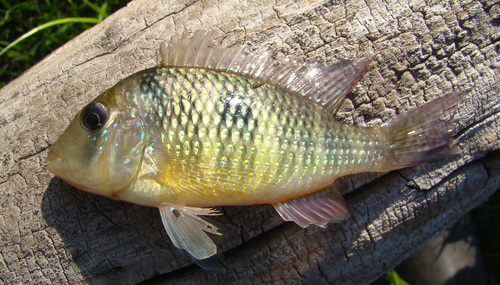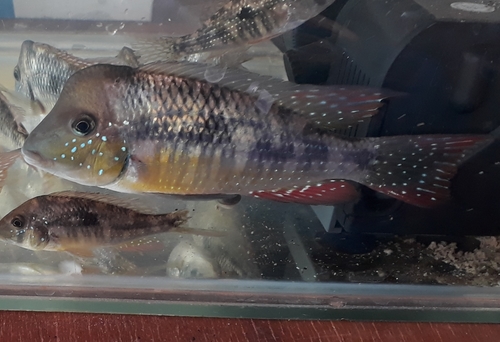
Gymnogeophagus caaguazuensis
Gymnogeophagus caaguazuensis
Out of Stock
Scarce stock
Wild Caught
Moderate care
Not Reef Safe
SKU: 01-A-03-332-01
Discover the unique Gymnogeophagus caaguazuensis, a stunning freshwater fish native to South America.
Pricing for Verified Importers
Log in to see wholesale prices and order.
Export Size
up to 15.0 cm
Origin
South America
Temperature
24.0–28.0°C
Min. Tank Size
150 L
pH
6.50–7.50
Diet
omnivore
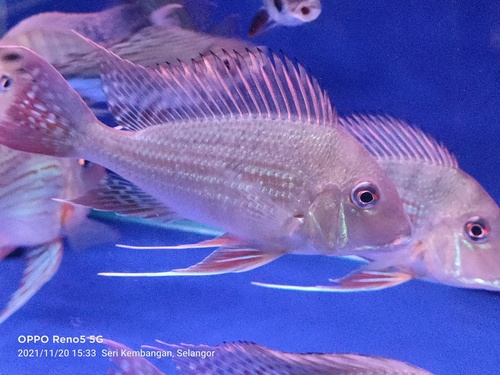
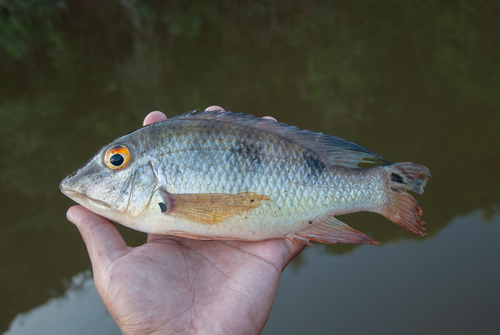
Gymnogeophagus caaguazuensis, commonly known as the Caaguazu Eartheater, is a captivating freshwater fish hailing from the Paraguay River basin in South America. This species is particularly noted for its vibrant coloration and fascinating behavior, making it a popular choice among aquarists. Typically, they exhibit a blend of earthy hues that can vary significantly depending on their habitat and health, showcasing shades of orange, yellow, and brown, which help them blend seamlessly into their natural surroundings.
In terms of behavior, Gymnogeophagus caaguazuensis are known for their territorial nature, especially during breeding season. Males can become quite assertive, establishing dominance over specific areas within their environment. They thrive in sandy bottoms with plenty of hiding spots and plant cover, which not only provides shelter but also enhances their natural foraging habits. In the wild, they primarily feed on small invertebrates and organic detritus, which they sift through the substrate using their specialized jaws.
Gymnogeophagus caaguazuensis prefer slow-moving waters with a warm temperature and slightly acidic to neutral pH. In their natural habitat, they can be found in shallow rivers and lakes, often near submerged structures or vegetation where they can hunt for food. Understanding their natural history and habitat preferences is crucial for successfully keeping them in captivity, as it allows aquarists to replicate their environment more effectively.
Overall, the Gymnogeophagus caaguazuensis is not just a visually appealing species; it also brings unique behavioral dynamics to an aquarium setting, making it a valuable addition for both novice and experienced fish keepers.
In terms of behavior, Gymnogeophagus caaguazuensis are known for their territorial nature, especially during breeding season. Males can become quite assertive, establishing dominance over specific areas within their environment. They thrive in sandy bottoms with plenty of hiding spots and plant cover, which not only provides shelter but also enhances their natural foraging habits. In the wild, they primarily feed on small invertebrates and organic detritus, which they sift through the substrate using their specialized jaws.
Gymnogeophagus caaguazuensis prefer slow-moving waters with a warm temperature and slightly acidic to neutral pH. In their natural habitat, they can be found in shallow rivers and lakes, often near submerged structures or vegetation where they can hunt for food. Understanding their natural history and habitat preferences is crucial for successfully keeping them in captivity, as it allows aquarists to replicate their environment more effectively.
Overall, the Gymnogeophagus caaguazuensis is not just a visually appealing species; it also brings unique behavioral dynamics to an aquarium setting, making it a valuable addition for both novice and experienced fish keepers.
To ensure the health and vitality of Gymnogeophagus caaguazuensis, maintaining the right water parameters is essential. The ideal temperature range for this species is between 24°C to 28°C, with a pH level ideally between 6.5 and 7.5. These fish require a minimum tank size of 150 liters, as they thrive in larger spaces that allow for territorial behavior and swimming room.
Feeding Gymnogeophagus caaguazuensis is straightforward; they are omnivorous and should be provided a varied diet consisting of high-quality pellets, frozen or live foods such as daphnia and bloodworms, and vegetable matter like blanched spinach or zucchini. This diverse diet helps to replicate their natural foraging behavior and promotes optimal health.
Compatibility is another important factor; Gymnogeophagus caaguazuensis generally coexist well with other similarly sized, peaceful fish. However, caution should be exercised during breeding periods, as males can become aggressive toward each other or smaller tank mates. Acclimation should be done slowly, ideally over several hours, to reduce stress and ensure a smooth transition into their new environment.
Quarantine new arrivals for a minimum of two weeks to monitor for any signs of disease or stress before introducing them to the main tank. This practice will help maintain the health of your aquarium and provide a stable environment for your Gymnogeophagus caaguazuensis.
Feeding Gymnogeophagus caaguazuensis is straightforward; they are omnivorous and should be provided a varied diet consisting of high-quality pellets, frozen or live foods such as daphnia and bloodworms, and vegetable matter like blanched spinach or zucchini. This diverse diet helps to replicate their natural foraging behavior and promotes optimal health.
Compatibility is another important factor; Gymnogeophagus caaguazuensis generally coexist well with other similarly sized, peaceful fish. However, caution should be exercised during breeding periods, as males can become aggressive toward each other or smaller tank mates. Acclimation should be done slowly, ideally over several hours, to reduce stress and ensure a smooth transition into their new environment.
Quarantine new arrivals for a minimum of two weeks to monitor for any signs of disease or stress before introducing them to the main tank. This practice will help maintain the health of your aquarium and provide a stable environment for your Gymnogeophagus caaguazuensis.
Gymnogeophagus caaguazuensis is suitable for shipping due to its hardiness. When packing, it is recommended to maintain a density of no more than 10 fish per 10 liters of water to ensure adequate space and oxygen levels. The temperature during transport should be kept stable, ideally within the 24°C to 28°C range to minimize stress. This species is not listed under CITES, making export regulations simpler for wholesalers.
Species Parameters
Max Adult Size
15.0 cm
Origin
South America
Diet
omnivore
Temp Min
24.0 °C
Temp Max
28.0 °C
pH Min
6.50
pH Max
7.50
Min Tank
150 L