Herichthys carpintis "Rio Hondo"
Herichthys carpintis "Rio Hondo"
Out of Stock
Scarce stock
Wild Caught
Moderate care
Not Reef Safe
SKU: 01-A-03-188-01
Herichthys carpintis 'Rio Hondo' boasts vibrant colors and unique patterns, making it a captivating addition for any aquarium.
Pricing for Verified Importers
Log in to see wholesale prices and order.
Export Size
up to 20.0 cm
Origin
Southeast Asia
Temperature
24.0–28.0°C
Min. Tank Size
200 L
pH
6.50–8.00
Diet
omnivore
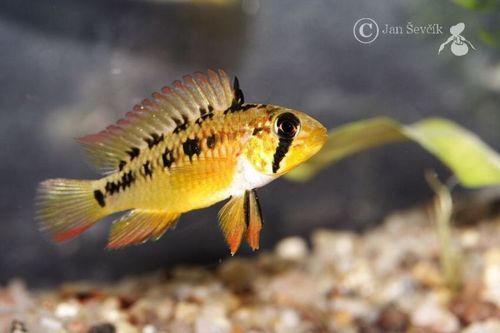
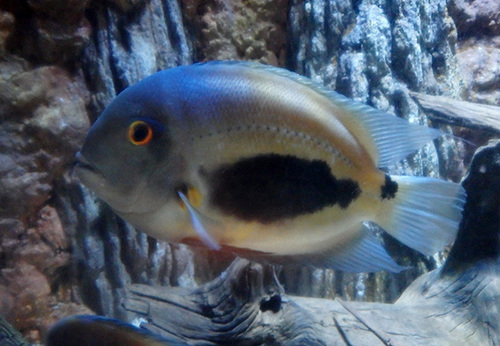
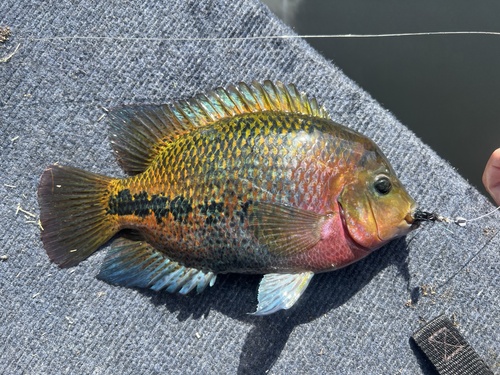
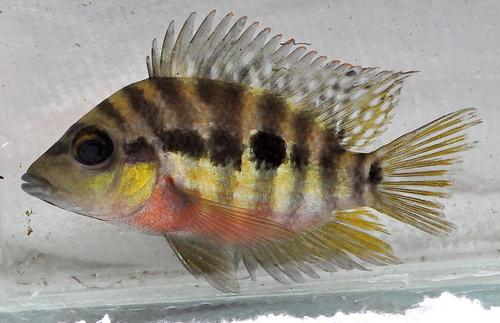
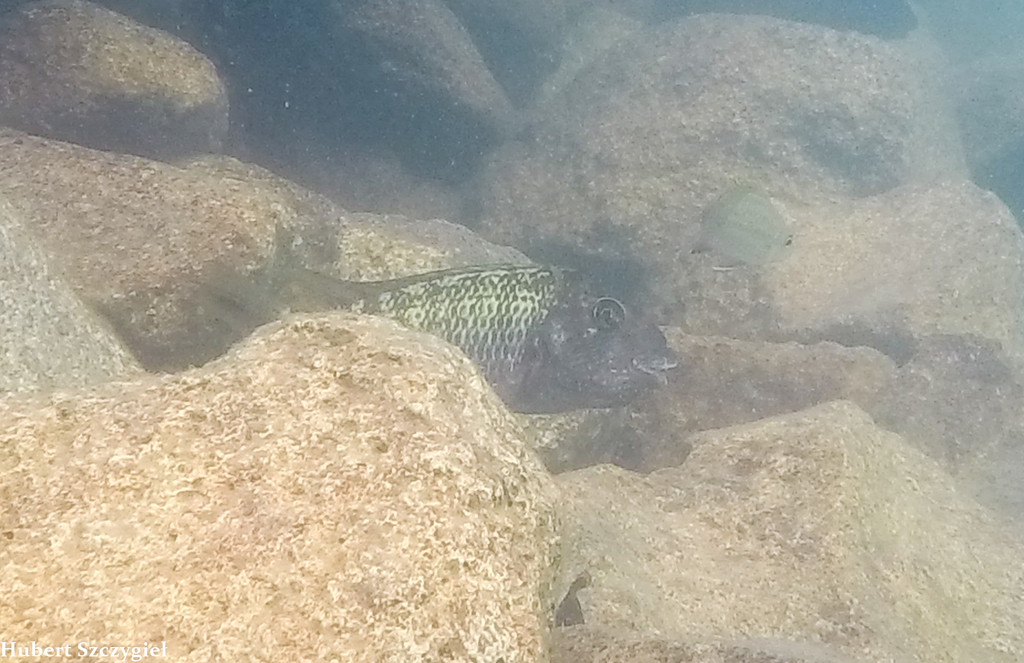
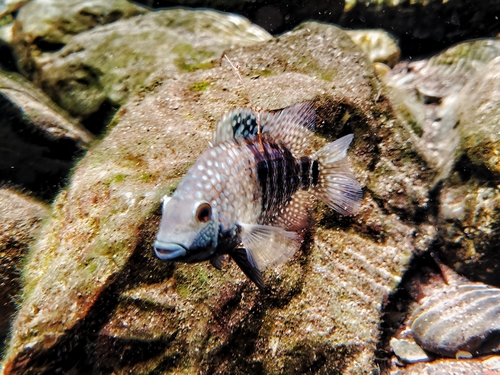
Herichthys carpintis 'Rio Hondo', commonly known as the Rio Hondo cichlid, is a freshwater fish native to the Rio Hondo region in Mexico. This species is particularly noted for its striking coloration, often featuring a blend of blues, greens, and yellows that can vary significantly among individuals. Adult fish display a distinctive pattern of spots and stripes, which can be enhanced under optimal lighting conditions. They typically exhibit a robust, oval shape, which is characteristic of many cichlids, and can grow to an impressive size, making them a focal point in any aquarium setup.
In terms of behavior, the Rio Hondo cichlid is known for its semi-aggressive nature, especially during breeding seasons. Males tend to be more territorial and can display dominant behaviors towards other fish. They are generally social creatures but may show aggression towards similar-sized or shaped fish. In their natural habitat, they inhabit rocky substrates and areas with vegetation, which provide shelter and breeding sites. These fish are often found in slower-moving waters, where they can forage for food among the rocks and plants.
The Rio Hondo cichlid thrives in well-structured aquariums that replicate their natural environment. Providing hiding spots using rocks, caves, and driftwood will help reduce stress and aggression. Additionally, maintaining stable water parameters is crucial for the overall health and well-being of this species. Their vibrant appearance and engaging behaviors make them a popular choice among aquarists, particularly those looking for a species that stands out visually and has an interesting temperament.
Overall, Herichthys carpintis 'Rio Hondo' offers both aesthetic appeal and dynamic behavior, making them an excellent option for seasoned aquarists who appreciate cichlids. Their adaptability to various environments, combined with their striking looks, ensures they are a sought-after species in the aquarium trade.
In terms of behavior, the Rio Hondo cichlid is known for its semi-aggressive nature, especially during breeding seasons. Males tend to be more territorial and can display dominant behaviors towards other fish. They are generally social creatures but may show aggression towards similar-sized or shaped fish. In their natural habitat, they inhabit rocky substrates and areas with vegetation, which provide shelter and breeding sites. These fish are often found in slower-moving waters, where they can forage for food among the rocks and plants.
The Rio Hondo cichlid thrives in well-structured aquariums that replicate their natural environment. Providing hiding spots using rocks, caves, and driftwood will help reduce stress and aggression. Additionally, maintaining stable water parameters is crucial for the overall health and well-being of this species. Their vibrant appearance and engaging behaviors make them a popular choice among aquarists, particularly those looking for a species that stands out visually and has an interesting temperament.
Overall, Herichthys carpintis 'Rio Hondo' offers both aesthetic appeal and dynamic behavior, making them an excellent option for seasoned aquarists who appreciate cichlids. Their adaptability to various environments, combined with their striking looks, ensures they are a sought-after species in the aquarium trade.
When caring for Herichthys carpintis 'Rio Hondo', maintaining optimal water conditions is essential. The ideal temperature range for these cichlids is between 24°C to 28°C, with a pH level between 6.5 and 8.0. A well-filtered aquarium is crucial to ensure clean water, as these fish can be sensitive to pollutants and waste buildup. Regular water changes of 20-30% weekly will help maintain water quality and clarity.
Feeding should consist of a varied diet, including high-quality cichlid pellets, frozen or live foods such as brine shrimp and bloodworms, and vegetable matter. This omnivorous diet will ensure proper growth and coloration. It's advisable to feed them small portions 2-3 times daily to prevent overfeeding and maintain water quality.
Compatibility is essential when selecting tank mates. While they can coexist with other semi-aggressive species, caution should be exercised with smaller or more docile fish. Providing ample space and hiding spots can help mitigate territorial disputes. Acclimation should be done gradually, allowing fish to adjust to new water conditions and reduce stress. Quarantine new arrivals for at least two weeks to prevent the spread of diseases within your main tank.
Feeding should consist of a varied diet, including high-quality cichlid pellets, frozen or live foods such as brine shrimp and bloodworms, and vegetable matter. This omnivorous diet will ensure proper growth and coloration. It's advisable to feed them small portions 2-3 times daily to prevent overfeeding and maintain water quality.
Compatibility is essential when selecting tank mates. While they can coexist with other semi-aggressive species, caution should be exercised with smaller or more docile fish. Providing ample space and hiding spots can help mitigate territorial disputes. Acclimation should be done gradually, allowing fish to adjust to new water conditions and reduce stress. Quarantine new arrivals for at least two weeks to prevent the spread of diseases within your main tank.
Herichthys carpintis 'Rio Hondo' is suitable for shipping due to its hardiness. It should be packed with care, utilizing a density of 1 fish per liter to ensure adequate oxygen levels during transport. These fish are sensitive to temperature fluctuations, so maintaining a stable range of 24°C to 28°C is essential during shipping. Currently, there are no CITES restrictions on this species, making it easier for exporters to supply the market.
Species Parameters
Max Adult Size
20.0 cm
Origin
Southeast Asia
Diet
omnivore
Temp Min
24.0 °C
Temp Max
28.0 °C
pH Min
6.50
pH Max
8.00
Min Tank
200 L