Red Texas Ballon Cichlid
Herichtys cyanoguttatus X Cichlasoma Synspilum
Out of Stock
Scarce stock
Wild Caught
Moderate care
Not Reef Safe
SKU: 01-A-03-345-10
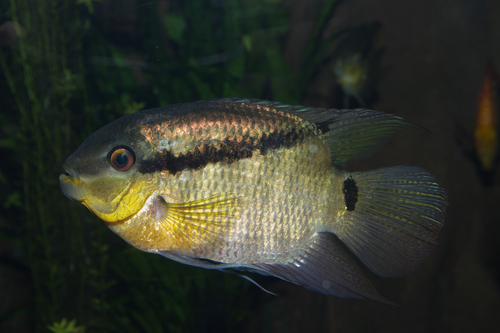
The Red Texas Ballon Cichlid is a vibrant and striking freshwater fish known for its unique balloon shape and vivid coloration.
Pricing for Verified Importers
Log in to see wholesale prices and order.
Export Size
up to 30.0 cm
Origin
Central America
Temperature
24.0–28.0°C
Min. Tank Size
200 L
pH
6.50–8.00
Diet
omnivore
The Red Texas Ballon Cichlid, a hybrid of Herichtys cyanoguttatus and Cichlasoma synspilum, stands out in the freshwater aquarium trade due to its distinctive balloon-like body shape and striking red and blue coloration. This species exhibits a remarkable visual appeal, making it a popular choice among aquarists. They are known for their vibrant personalities and can display a range of behaviors, from playful interactions to territorial displays, especially during breeding season.
In terms of natural history, these cichlids originate from the rivers and lakes of Central America, where they inhabit areas with plenty of cover, such as rocks and plants. Their natural habitats are characterized by warm, slow-moving waters that provide ample opportunities for hiding and breeding. In the wild, they are known to exhibit complex social behaviors, forming pairs and displaying territoriality, particularly during spawning.
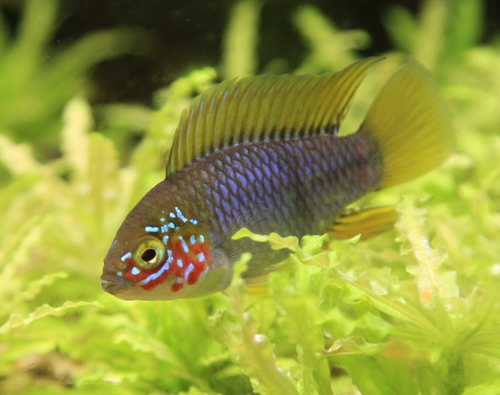
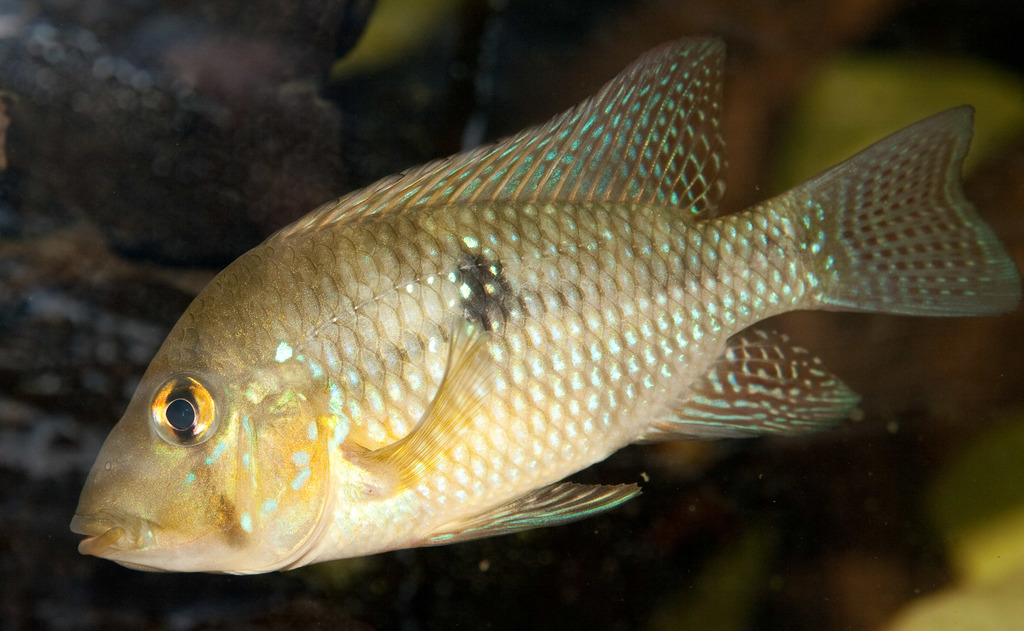
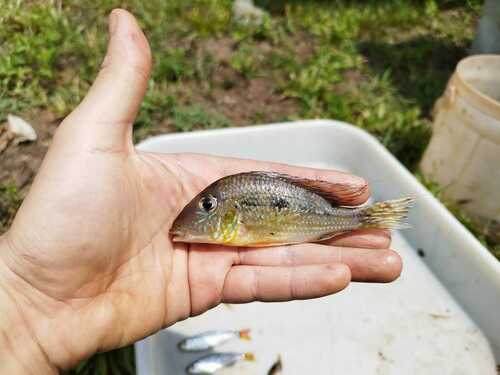
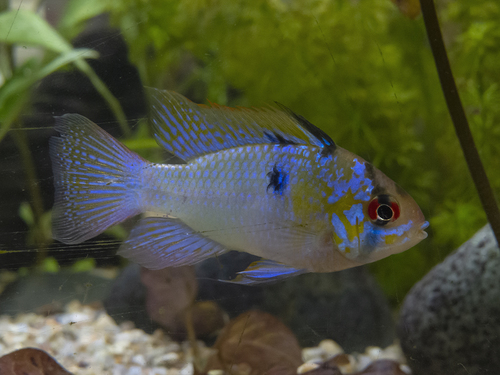
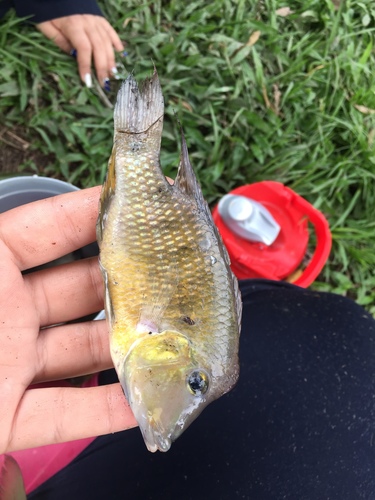
The appearance of the Red Texas Ballon Cichlid is truly captivating, with a rounded body that can grow up to 30 cm in length. Their vibrant red coloration is complemented by striking blue spots that adorn their scales, making them a centerpiece in any aquarium. As they mature, their colors intensify, particularly in males, which often develop more pronounced features and larger fins.
Behaviorally, these fish are quite active and can be aggressive, making them better suited for larger tanks with ample swimming space and hiding spots. They thrive in social settings where they can establish hierarchies, but care should be taken when introducing them to other species to avoid conflicts. Overall, the Red Texas Ballon Cichlid is a dynamic addition to freshwater aquariums, providing both visual interest and engaging behavior.
In terms of natural history, these cichlids originate from the rivers and lakes of Central America, where they inhabit areas with plenty of cover, such as rocks and plants. Their natural habitats are characterized by warm, slow-moving waters that provide ample opportunities for hiding and breeding. In the wild, they are known to exhibit complex social behaviors, forming pairs and displaying territoriality, particularly during spawning.
The appearance of the Red Texas Ballon Cichlid is truly captivating, with a rounded body that can grow up to 30 cm in length. Their vibrant red coloration is complemented by striking blue spots that adorn their scales, making them a centerpiece in any aquarium. As they mature, their colors intensify, particularly in males, which often develop more pronounced features and larger fins.
Behaviorally, these fish are quite active and can be aggressive, making them better suited for larger tanks with ample swimming space and hiding spots. They thrive in social settings where they can establish hierarchies, but care should be taken when introducing them to other species to avoid conflicts. Overall, the Red Texas Ballon Cichlid is a dynamic addition to freshwater aquariums, providing both visual interest and engaging behavior.
When caring for the Red Texas Ballon Cichlid, maintaining optimal water parameters is crucial for their health. Ideal water temperature ranges from 24°C to 28°C, with a pH level between 6.5 and 8.0. These fish prefer well-filtered water with moderate to high oxygen levels, so a good filtration system is recommended. Regular water changes are essential to keep the environment clean and stable.
Feeding these cichlids is relatively straightforward, as they are omnivorous and will accept a variety of foods. A balanced diet should include high-quality pellets, frozen or live foods, and occasional vegetable matter to ensure they receive all necessary nutrients. It is advisable to feed them small amounts multiple times a day rather than one large feeding to prevent overfeeding and water quality issues.
Compatibility is an important consideration. While they can coexist with other cichlids, their aggressive nature means they should be housed with similarly sized or larger tank mates to minimize bullying. During acclimation, introduce them slowly to their new environment, allowing time for them to adjust. Quarantine new arrivals for at least two weeks to monitor for diseases and prevent potential outbreaks in the main tank.
Feeding these cichlids is relatively straightforward, as they are omnivorous and will accept a variety of foods. A balanced diet should include high-quality pellets, frozen or live foods, and occasional vegetable matter to ensure they receive all necessary nutrients. It is advisable to feed them small amounts multiple times a day rather than one large feeding to prevent overfeeding and water quality issues.
Compatibility is an important consideration. While they can coexist with other cichlids, their aggressive nature means they should be housed with similarly sized or larger tank mates to minimize bullying. During acclimation, introduce them slowly to their new environment, allowing time for them to adjust. Quarantine new arrivals for at least two weeks to monitor for diseases and prevent potential outbreaks in the main tank.
The Red Texas Ballon Cichlid is suitable for air shipping, provided proper care is taken during packing. They should be packed in well-oxygenated bags with enough water to reduce stress. The ideal packing density is one fish per 5 liters to ensure adequate space. They are sensitive to temperature fluctuations, so maintaining a stable temperature between 24°C and 28°C during transit is critical. This species is not listed under CITES, allowing for unrestricted export.
Species Parameters
Max Adult Size
30.0 cm
Origin
Central America
Diet
omnivore
Temp Min
24.0 °C
Temp Max
28.0 °C
pH Min
6.50
pH Max
8.00
Min Tank
200 L