Macmaster's Apisto
Apistogramma macmasteri
In Stock
Common stock
Wild Caught
Moderate care
Not Reef Safe
SKU: 01-A-03-065-01
Discover the vibrant Macmaster's Apisto, a captivating gem of freshwater aquariums.
Pricing for Verified Importers
Log in to see wholesale prices and order.
Export Size
up to 8.0 cm
Origin
South America
Temperature
24.0–28.0°C
Min. Tank Size
100 L
pH
6.00–7.50
Diet
omnivore
The Macmaster's Apisto, scientifically known as Apistogramma macmasteri, is a striking species of freshwater fish native to the rivers and streams of South America, particularly in areas such as Colombia and Venezuela. Known for its vivid coloration and intricate patterns, this dwarf cichlid is a popular choice among aquarists seeking to add a splash of color and personality to their tanks. Its peaceful demeanor and engaging behavior make it a delightful addition to community aquariums.
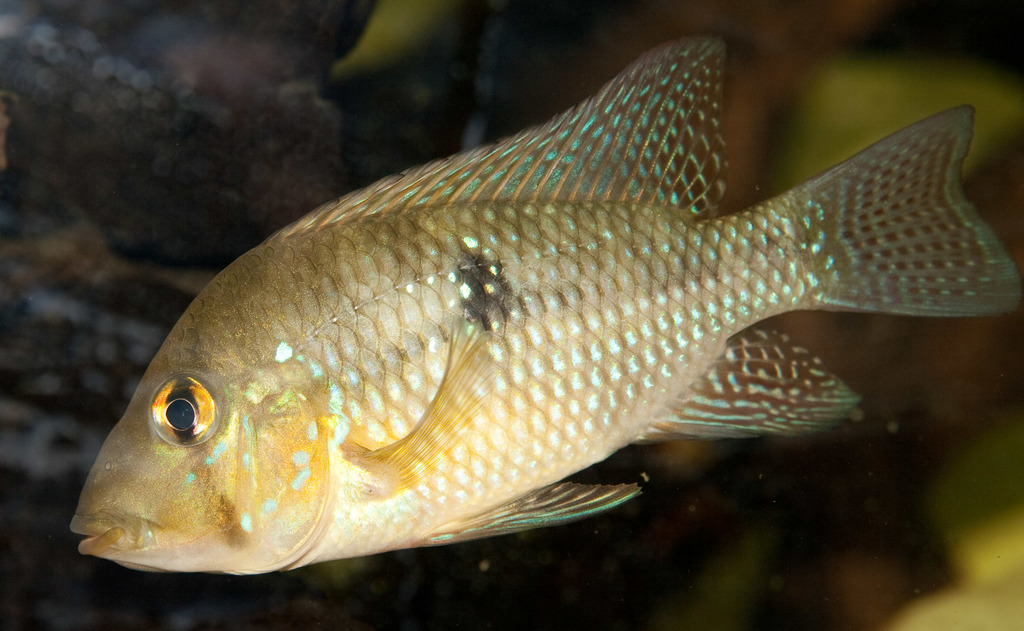
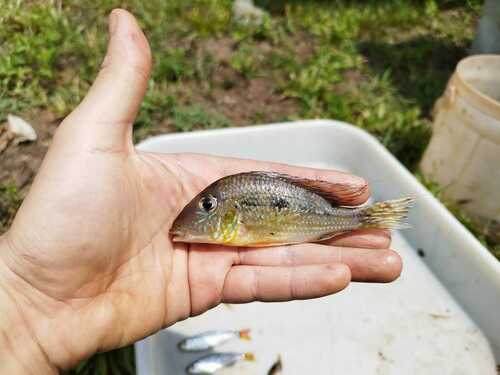
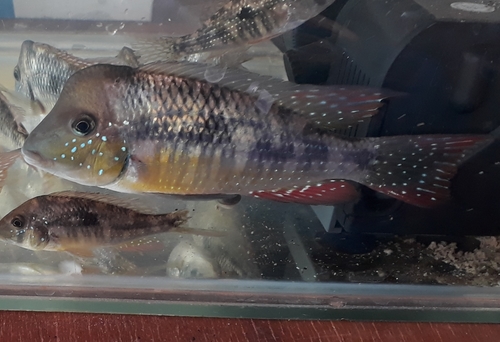
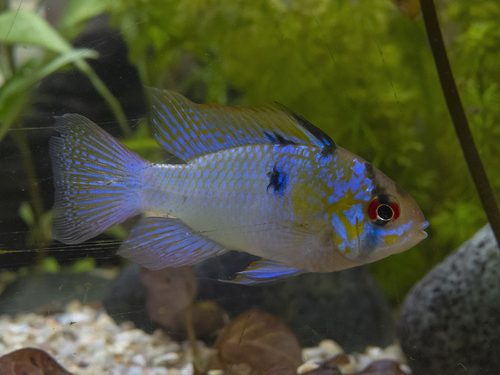
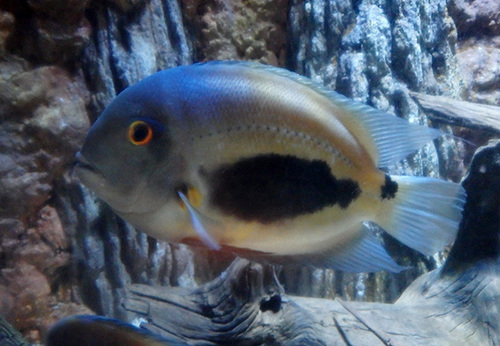
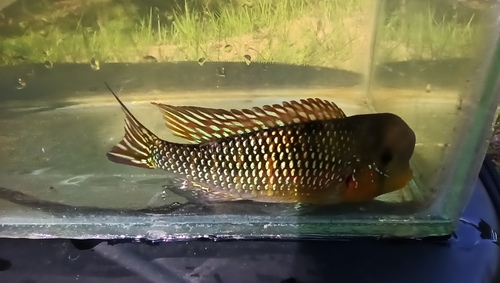
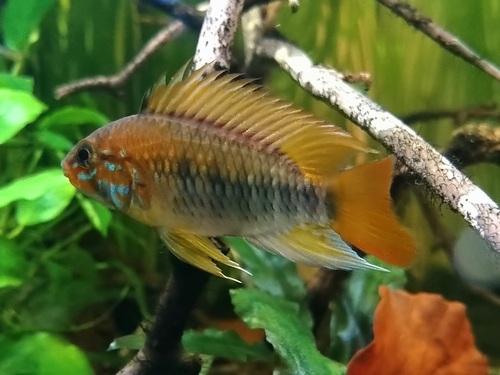
This species typically exhibits a mix of vibrant yellows, blues, and reds, with males being particularly colorful and larger than females. They can reach a maximum size of about 8 cm. Macmaster's Apisto is characterized by its elongated body, which displays subtle variations in color depending on the individual's mood and environmental factors. The males often develop longer fins and a more pronounced dorsal fin, adding to their aesthetic appeal.
In their natural habitat, Macmaster's Apistos inhabit shallow waters with abundant vegetation, where they seek shelter among plants and driftwood. They thrive in densely planted tanks that mimic their natural environment, providing both hiding spots and open swimming areas. Their territorial nature, especially during breeding, means that providing ample space and structure in the aquarium is crucial for their well-being.
Behaviorally, Macmaster's Apistos are known for their intriguing interactions, particularly during the breeding season. Males display courtship behaviors to attract females, including fin displays and color changes. They are generally peaceful but may become aggressive towards other males or similar species during territorial disputes. Observing these interactions can be a captivating experience for aquarium enthusiasts.
This species typically exhibits a mix of vibrant yellows, blues, and reds, with males being particularly colorful and larger than females. They can reach a maximum size of about 8 cm. Macmaster's Apisto is characterized by its elongated body, which displays subtle variations in color depending on the individual's mood and environmental factors. The males often develop longer fins and a more pronounced dorsal fin, adding to their aesthetic appeal.
In their natural habitat, Macmaster's Apistos inhabit shallow waters with abundant vegetation, where they seek shelter among plants and driftwood. They thrive in densely planted tanks that mimic their natural environment, providing both hiding spots and open swimming areas. Their territorial nature, especially during breeding, means that providing ample space and structure in the aquarium is crucial for their well-being.
Behaviorally, Macmaster's Apistos are known for their intriguing interactions, particularly during the breeding season. Males display courtship behaviors to attract females, including fin displays and color changes. They are generally peaceful but may become aggressive towards other males or similar species during territorial disputes. Observing these interactions can be a captivating experience for aquarium enthusiasts.
When caring for Macmaster's Apisto, maintaining optimal water parameters is essential. They prefer slightly acidic to neutral pH levels, ideally between 6.0 and 7.5, and a temperature range of 24-28°C. Regular water changes and a well-maintained filtration system are vital to ensure a healthy environment.
Feeding Macmaster's Apistos a varied diet is crucial for their health and vibrancy. They are omnivorous, benefiting from high-quality flakes, pellets, and live or frozen foods such as brine shrimp and daphnia. It's important to provide a balanced diet to enhance their coloration and overall wellbeing.
Compatibility is key when housing Macmaster's Apistos. They can coexist peacefully with other small, non-aggressive fish in a community tank, but caution should be exercised to avoid pairing them with larger or more aggressive species. During the breeding season, it's advisable to provide ample hiding spots to reduce stress and territorial disputes.
Acclimation is also an important process; new arrivals should be slowly introduced to their new environment to minimize shock. Quarantine new fish for at least two weeks to prevent the spread of diseases. This practice helps ensure a healthy aquarium ecosystem and promotes the longevity of your Macmaster's Apistos.
Feeding Macmaster's Apistos a varied diet is crucial for their health and vibrancy. They are omnivorous, benefiting from high-quality flakes, pellets, and live or frozen foods such as brine shrimp and daphnia. It's important to provide a balanced diet to enhance their coloration and overall wellbeing.
Compatibility is key when housing Macmaster's Apistos. They can coexist peacefully with other small, non-aggressive fish in a community tank, but caution should be exercised to avoid pairing them with larger or more aggressive species. During the breeding season, it's advisable to provide ample hiding spots to reduce stress and territorial disputes.
Acclimation is also an important process; new arrivals should be slowly introduced to their new environment to minimize shock. Quarantine new fish for at least two weeks to prevent the spread of diseases. This practice helps ensure a healthy aquarium ecosystem and promotes the longevity of your Macmaster's Apistos.
Macmaster's Apisto is suitable for shipping under controlled conditions. Optimal packing density should be maintained to ensure adequate oxygen levels during transit. These fish are sensitive to temperature fluctuations, so it is crucial to ship them at stable temperatures between 24-28°C. They are not listed under CITES, making them easier to export without additional regulatory concerns.
Species Parameters
Max Adult Size
8.0 cm
Origin
South America
Diet
omnivore
Temp Min
24.0 °C
Temp Max
28.0 °C
pH Min
6.00
pH Max
7.50
Min Tank
100 L