Managua Cichlid
Cichlasoma managuense
Out of Stock
Scarce stock
Wild Caught
Moderate care
Not Reef Safe
SKU: 01-A-03-116-03
Vibrant and territorial, the Managua Cichlid is a stunning addition to any freshwater aquarium.
Pricing for Verified Importers
Log in to see wholesale prices and order.
Export Size
up to 30.0 cm
Origin
Central America
Temperature
24.0–28.0°C
Min. Tank Size
200 L
pH
6.50–8.00
Diet
omnivore
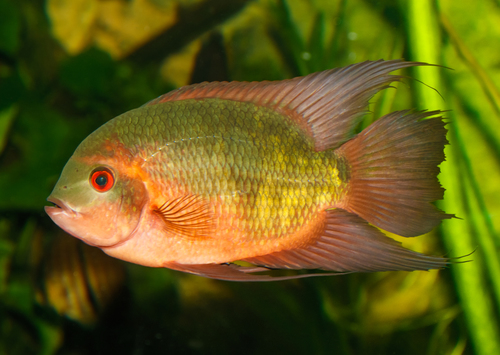
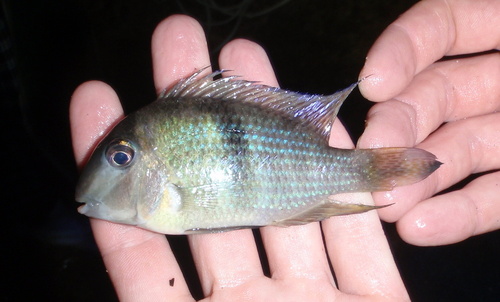
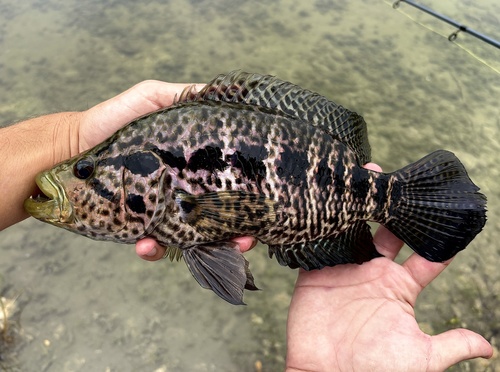
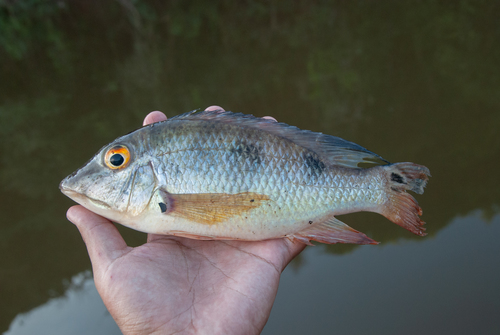
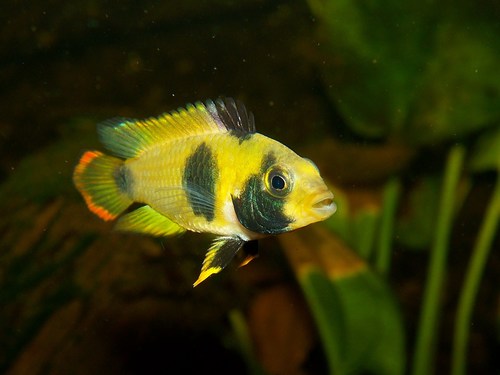
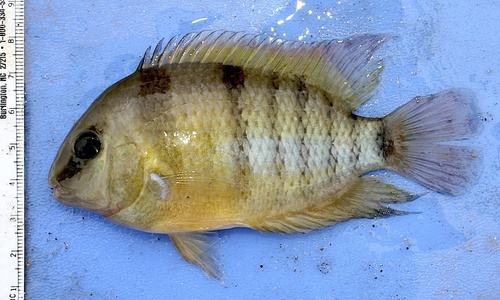
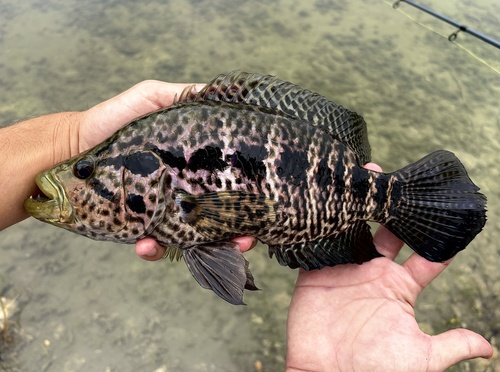
The Managua Cichlid (Cichlasoma managuense) is a striking freshwater fish native to Central America, particularly found in Nicaragua and Costa Rica. This species is well-known for its diverse coloration, which can range from bright yellow to deep blue, often featuring intricate patterns of spots and stripes. Adult Managua Cichlids can grow up to 30 cm (12 inches) in length, making them a visually impressive centerpiece in larger aquarium setups. Their robust body shape and long dorsal fin contribute to their distinctive appearance, attracting both aquarists and casual observers alike.
In their natural habitat, Managua Cichlids inhabit rivers, lakes, and swamps where they prefer shallow waters with plenty of vegetation and hiding spots. They are known to be territorial, especially during breeding season, which often leads to fascinating displays of courtship and aggression. These cichlids are omnivorous, feeding on a diet of insects, crustaceans, and plant matter, which allows them to thrive in diverse environments. Their adaptability in various water conditions makes them a popular choice among aquarium enthusiasts.
Managua Cichlids exhibit complex social behaviors, often forming bonds with mates and displaying protective instincts over their territory and offspring. Their dynamic behaviors can be captivating to watch, making them an engaging species for both novice and experienced aquarists. However, their territorial nature requires careful consideration when selecting tank mates, as they may become aggressive towards other fish that invade their space.
Overall, the Managua Cichlid is an attractive and vibrant species that adds color and life to freshwater aquariums. Their unique characteristics and engaging behavior make them a sought-after choice for wholesalers and retailers looking to enhance their aquatic offerings.
In their natural habitat, Managua Cichlids inhabit rivers, lakes, and swamps where they prefer shallow waters with plenty of vegetation and hiding spots. They are known to be territorial, especially during breeding season, which often leads to fascinating displays of courtship and aggression. These cichlids are omnivorous, feeding on a diet of insects, crustaceans, and plant matter, which allows them to thrive in diverse environments. Their adaptability in various water conditions makes them a popular choice among aquarium enthusiasts.
Managua Cichlids exhibit complex social behaviors, often forming bonds with mates and displaying protective instincts over their territory and offspring. Their dynamic behaviors can be captivating to watch, making them an engaging species for both novice and experienced aquarists. However, their territorial nature requires careful consideration when selecting tank mates, as they may become aggressive towards other fish that invade their space.
Overall, the Managua Cichlid is an attractive and vibrant species that adds color and life to freshwater aquariums. Their unique characteristics and engaging behavior make them a sought-after choice for wholesalers and retailers looking to enhance their aquatic offerings.
To successfully care for Managua Cichlids, it is crucial to maintain stable water parameters. The ideal temperature range is between 24°C and 28°C (75°F - 82°F), with a pH level of 6.5 to 8.0. A minimum tank size of 200 liters (53 gallons) is recommended to provide ample space for swimming and territorial behavior. It is essential to use a good-quality filtration system to keep the water clean and well-oxygenated.
Feeding Managua Cichlids a varied diet is important for their health. High-quality pellets, frozen or live foods such as brine shrimp and bloodworms, along with plant material, should be provided to ensure a balanced diet. Regular feeding intervals of 2-3 times a day are ideal to maintain their energy levels and vibrant coloration.
When introducing Managua Cichlids to a new aquarium, gradual acclimation is critical to prevent shock. Use a drip acclimation method to slowly introduce them to the new water conditions. Quarantine new arrivals for at least two weeks to monitor for any signs of disease or stress, ensuring the health of your main aquarium population.
In terms of compatibility, it is advisable to keep them with other robust cichlids or larger fish, as smaller species may become targets of aggression. Providing plenty of hiding spots and territories will help minimize conflicts and allow for a more harmonious environment.
Feeding Managua Cichlids a varied diet is important for their health. High-quality pellets, frozen or live foods such as brine shrimp and bloodworms, along with plant material, should be provided to ensure a balanced diet. Regular feeding intervals of 2-3 times a day are ideal to maintain their energy levels and vibrant coloration.
When introducing Managua Cichlids to a new aquarium, gradual acclimation is critical to prevent shock. Use a drip acclimation method to slowly introduce them to the new water conditions. Quarantine new arrivals for at least two weeks to monitor for any signs of disease or stress, ensuring the health of your main aquarium population.
In terms of compatibility, it is advisable to keep them with other robust cichlids or larger fish, as smaller species may become targets of aggression. Providing plenty of hiding spots and territories will help minimize conflicts and allow for a more harmonious environment.
Managua Cichlids are suitable for shipping due to their hardiness. They should be packed with care, ensuring adequate space for movement while minimizing stress. Ideal packing density allows for proper aeration. The recommended shipping temperature is between 24°C and 28°C (75°F - 82°F) to prevent thermal shock. Currently, there are no CITES restrictions on this species, making them easier to export.
Species Parameters
Max Adult Size
30.0 cm
Origin
Central America
Diet
omnivore
Temp Min
24.0 °C
Temp Max
28.0 °C
pH Min
6.50
pH Max
8.00
Min Tank
200 L