Red Tiger Managuensis
Parachromis managuensis
Out of Stock
Scarce stock
Wild Caught
Moderate care
Not Reef Safe
SKU: 01-A-03-282-01
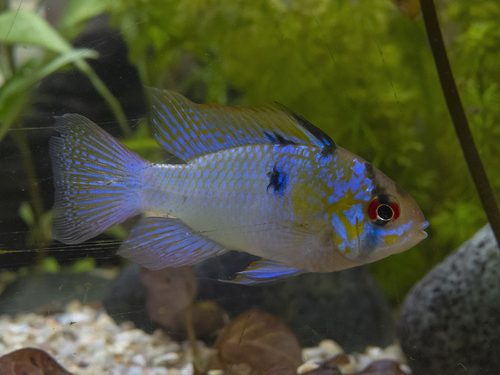
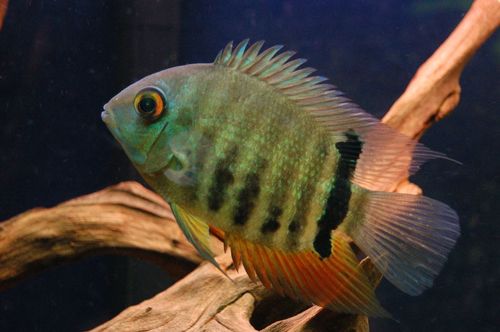
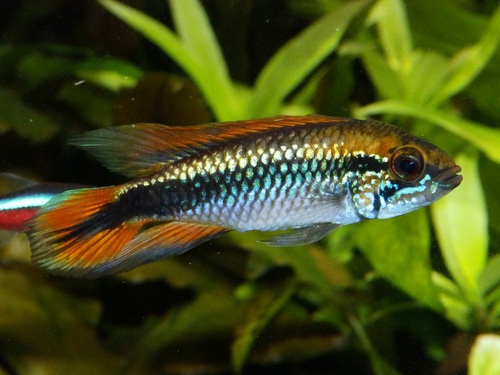
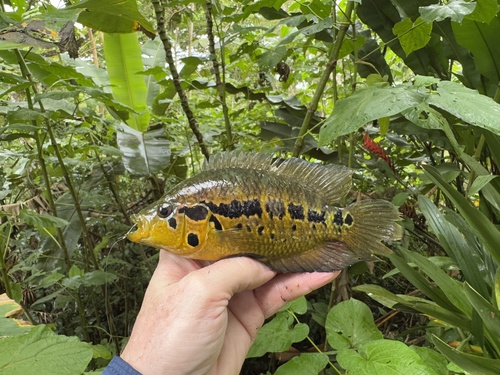
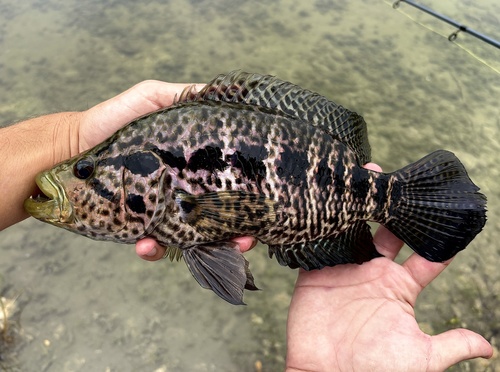
The Red Tiger Managuensis captivates with its vibrant colors and unique patterns, making it a prized addition to freshwater aquariums.
Pricing for Verified Importers
Log in to see wholesale prices and order.
Export Size
up to 30.0 cm
Origin
Central America
Temperature
24.0–28.0°C
Min. Tank Size
200 L
pH
6.50–8.00
Diet
carnivore
The Red Tiger Managuensis, also known as the Jaguar Cichlid, is a striking freshwater fish native to Central America. This species exhibits a vivid coloration with a mix of red and black markings, resembling the patterns of a tiger, which are especially pronounced in mature individuals. Typically, they have a streamlined body that can grow to impressive sizes, making them a standout in any aquarium setup. Their beauty is complemented by a strong, assertive personality, which can make them a captivating yet challenging species for aquarists to keep.
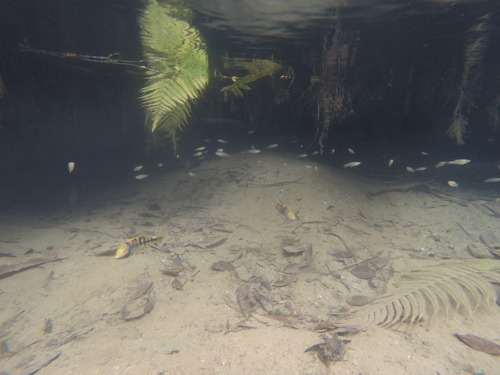
In terms of natural history, the Red Tiger Managuensis is usually found in rivers and lakes with slow-moving waters, where they prefer environments with ample hiding places such as rocks and submerged vegetation. These fish are known for their territorial behavior, particularly during breeding seasons, where males can become quite aggressive. It is essential for aquarists to provide a spacious environment that allows these fish to establish their territories while reducing stress and aggression.
Behaviorally, they are intelligent and curious fish that thrive on interaction and mental stimulation. They are known to exhibit complex social behaviors, often engaging with their tank mates. In groups, it is fascinating to observe their social hierarchy as they establish dominance and breeding pairs. These characteristics make them not only beautiful but also engaging to watch in a well-maintained aquarium.
The habitat of the Red Tiger Managuensis includes various freshwater ecosystems where they feed on smaller fish, insects, and crustaceans. Their adaptability to different water conditions, combined with their striking appearance and dynamic behavior, makes them a popular choice among both hobbyists and aquarium professionals.
In terms of natural history, the Red Tiger Managuensis is usually found in rivers and lakes with slow-moving waters, where they prefer environments with ample hiding places such as rocks and submerged vegetation. These fish are known for their territorial behavior, particularly during breeding seasons, where males can become quite aggressive. It is essential for aquarists to provide a spacious environment that allows these fish to establish their territories while reducing stress and aggression.
Behaviorally, they are intelligent and curious fish that thrive on interaction and mental stimulation. They are known to exhibit complex social behaviors, often engaging with their tank mates. In groups, it is fascinating to observe their social hierarchy as they establish dominance and breeding pairs. These characteristics make them not only beautiful but also engaging to watch in a well-maintained aquarium.
The habitat of the Red Tiger Managuensis includes various freshwater ecosystems where they feed on smaller fish, insects, and crustaceans. Their adaptability to different water conditions, combined with their striking appearance and dynamic behavior, makes them a popular choice among both hobbyists and aquarium professionals.
To successfully care for the Red Tiger Managuensis, it is crucial to maintain appropriate water parameters. The ideal temperature range for this species is between 24°C and 28°C, with a pH level between 6.5 and 8.0. They thrive in well-filtered, clean water with moderate current, mimicking their natural habitat. It is recommended to provide at least a 200-liter tank to accommodate their size and territorial nature.
Feeding the Red Tiger Managuensis should focus on a varied diet, including high-quality pellets, frozen or live foods such as shrimp and small fish, and vegetable matter to ensure they receive balanced nutrition. They are opportunistic feeders, so regular feeding schedules will keep them healthy and active.
Compatibility can be an issue; while they can coexist with other robust species, caution should be exercised with smaller or more docile fish. It is advisable to introduce tank mates of similar size and temperament. When acclimating new fish, a gradual process over several hours is recommended to reduce stress. Quarantine new arrivals for at least two weeks before introducing them to the main tank to prevent any potential disease outbreaks.
Feeding the Red Tiger Managuensis should focus on a varied diet, including high-quality pellets, frozen or live foods such as shrimp and small fish, and vegetable matter to ensure they receive balanced nutrition. They are opportunistic feeders, so regular feeding schedules will keep them healthy and active.
Compatibility can be an issue; while they can coexist with other robust species, caution should be exercised with smaller or more docile fish. It is advisable to introduce tank mates of similar size and temperament. When acclimating new fish, a gradual process over several hours is recommended to reduce stress. Quarantine new arrivals for at least two weeks before introducing them to the main tank to prevent any potential disease outbreaks.
The Red Tiger Managuensis is suitable for shipping, provided that they are packed securely to minimize stress during transit. A packing density of 1-2 fish per liter is recommended, along with adequate oxygen supply. Temperature sensitivity requires maintaining a stable environment, ideally between 24°C and 28°C, during shipping. As a non-CITES species, there are no additional export restrictions.
Species Parameters
Max Adult Size
30.0 cm
Origin
Central America
Diet
carnivore
Temp Min
24.0 °C
Temp Max
28.0 °C
pH Min
6.50
pH Max
8.00
Min Tank
200 L