Poor Man's Tropheus
Hypsophrys nematopus
Out of Stock
Scarce stock
Wild Caught
Moderate care
Not Reef Safe
SKU: 01-A-03-214-01
Discover the vibrant Poor Man's Tropheus, a captivating addition to freshwater aquariums.
Pricing for Verified Importers
Log in to see wholesale prices and order.
Export Size
up to 15.0 cm
Origin
African Great Lakes
Temperature
24.0–28.0°C
Min. Tank Size
200 L
pH
7.50–8.50
Diet
herbivore
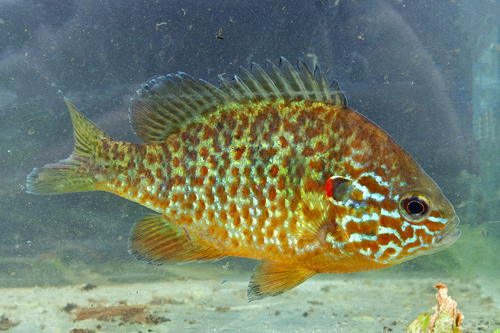
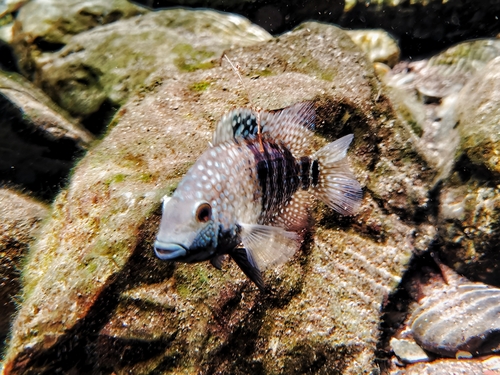
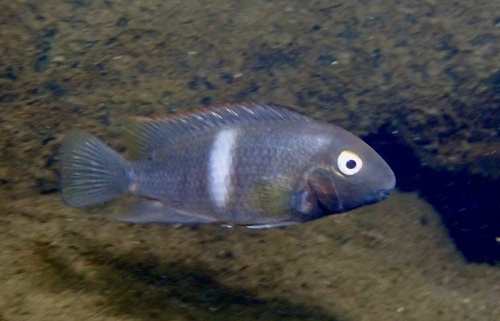
The Poor Man's Tropheus (Hypsophrys nematopus) is a striking freshwater fish native to the lush waters of Africa, primarily found in the Lake Tanganyika region. This species is renowned for its bright coloration, typically showcasing vibrant yellows, reds, and blacks, making it a visually appealing choice for aquarium enthusiasts. Its unique beauty is complemented by a robust body shape, which is characteristic of the Tropheus genus. The Poor Man's Tropheus is also known for its energetic nature and active swimming behavior, adding liveliness to any aquatic environment.
In terms of natural history, Poor Man's Tropheus thrives in rocky substrates and is commonly found in areas with abundant vegetation. They exhibit a strong territorial behavior, particularly during breeding seasons, where males display vibrant colors to attract females. Their diet in the wild typically consists of algae and detritus, which they graze on from rocks and surfaces, highlighting their herbivorous tendencies. This feeding behavior is crucial for their health and coloration in captivity.
Behaviorally, these fish are social creatures that prefer to live in groups, which helps establish a hierarchy among them. They are known to be relatively peaceful, but males can be aggressive towards each other, especially in confined spaces. Providing ample hiding spots and territories within the aquarium is essential to mitigate aggression and ensure the well-being of all inhabitants. The Poor Man's Tropheus is an excellent candidate for community tanks with other peaceful species, provided there is enough space and cover.
In captivity, maintaining stable water conditions that mimic their natural habitat is critical for their health. The Poor Man's Tropheus is not only a beautiful fish but also an interesting species to observe, as they exhibit unique social interactions and feeding behaviors, making them a rewarding addition to any freshwater aquarium setup.
In terms of natural history, Poor Man's Tropheus thrives in rocky substrates and is commonly found in areas with abundant vegetation. They exhibit a strong territorial behavior, particularly during breeding seasons, where males display vibrant colors to attract females. Their diet in the wild typically consists of algae and detritus, which they graze on from rocks and surfaces, highlighting their herbivorous tendencies. This feeding behavior is crucial for their health and coloration in captivity.
Behaviorally, these fish are social creatures that prefer to live in groups, which helps establish a hierarchy among them. They are known to be relatively peaceful, but males can be aggressive towards each other, especially in confined spaces. Providing ample hiding spots and territories within the aquarium is essential to mitigate aggression and ensure the well-being of all inhabitants. The Poor Man's Tropheus is an excellent candidate for community tanks with other peaceful species, provided there is enough space and cover.
In captivity, maintaining stable water conditions that mimic their natural habitat is critical for their health. The Poor Man's Tropheus is not only a beautiful fish but also an interesting species to observe, as they exhibit unique social interactions and feeding behaviors, making them a rewarding addition to any freshwater aquarium setup.
To successfully care for the Poor Man's Tropheus, it is essential to replicate their natural environment as closely as possible. The ideal water parameters include a temperature range of 24-28°C, a pH between 7.5 and 8.5, and a hardness of 10-20 dGH. Regular water changes and high-quality filtration are crucial to maintain water quality. When it comes to feeding, a varied diet consisting of high-quality spirulina flakes, algae wafers, and blanched vegetables will ensure optimal health and coloration. It is advisable to feed them small amounts several times a day to mimic their natural grazing behavior.
Compatibility is an important consideration; the Poor Man's Tropheus does best in a species-specific tank or with other peaceful cichlids. Providing plenty of hiding spots will help reduce territorial disputes. Acclimation should be gradual; floating the sealed bag in the tank for about 15 minutes before introducing the fish is recommended, followed by mixing some tank water into the bag over an hour.
Quarantine new arrivals for at least 2-4 weeks to prevent the introduction of diseases into the main aquarium. Monitor their health closely during this period, and perform routine checks on water quality to ensure their well-being. With proper care, the Poor Man's Tropheus can thrive and become a vibrant centerpiece in your freshwater aquarium.
Compatibility is an important consideration; the Poor Man's Tropheus does best in a species-specific tank or with other peaceful cichlids. Providing plenty of hiding spots will help reduce territorial disputes. Acclimation should be gradual; floating the sealed bag in the tank for about 15 minutes before introducing the fish is recommended, followed by mixing some tank water into the bag over an hour.
Quarantine new arrivals for at least 2-4 weeks to prevent the introduction of diseases into the main aquarium. Monitor their health closely during this period, and perform routine checks on water quality to ensure their well-being. With proper care, the Poor Man's Tropheus can thrive and become a vibrant centerpiece in your freshwater aquarium.
The Poor Man's Tropheus is well-suited for shipping, provided that appropriate measures are taken. Packing density should allow for adequate space to minimize stress during transit. It's essential to maintain a stable temperature between 24-28°C during shipping to ensure their health. As a freshwater species, they are not subject to CITES regulations, simplifying the export process. Ensure that all shipments comply with local and international regulations for aquatic life.
Species Parameters
Max Adult Size
15.0 cm
Origin
African Great Lakes
Diet
herbivore
Temp Min
24.0 °C
Temp Max
28.0 °C
pH Min
7.50
pH Max
8.50
Min Tank
200 L