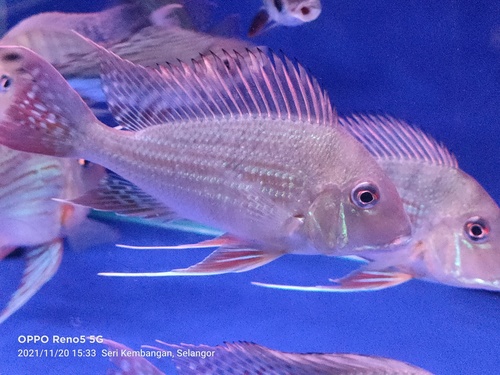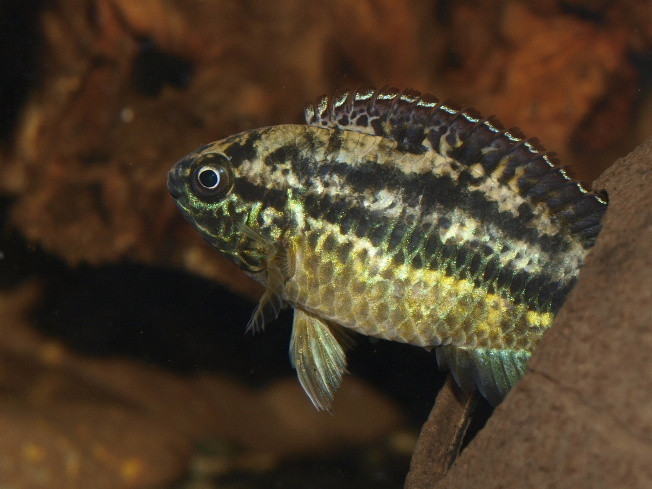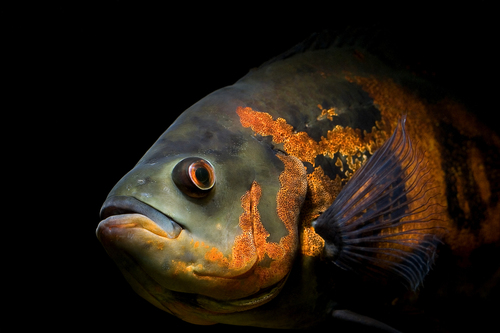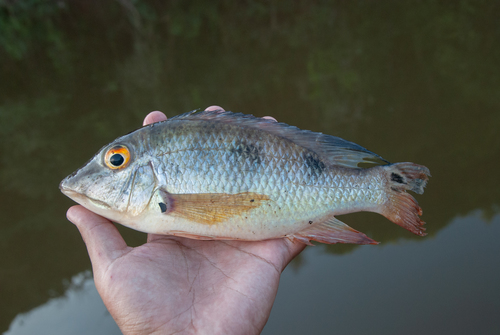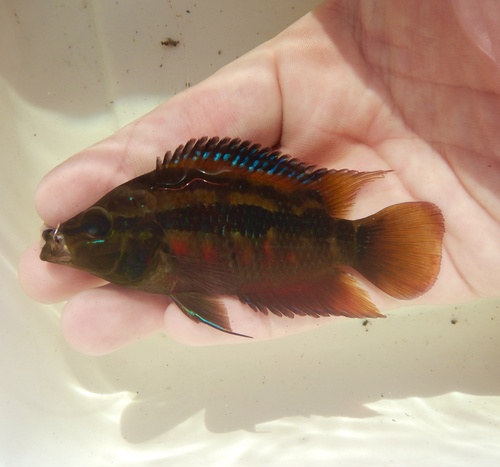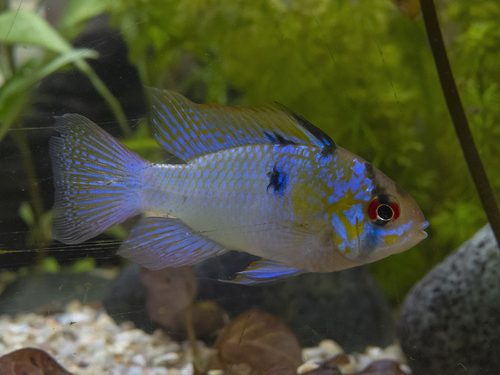
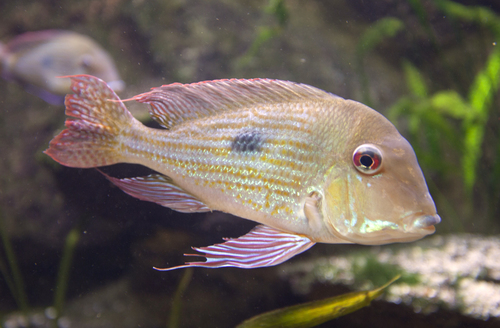
Red striped earth eater
Geophagus surinamensis
Out of Stock
Scarce stock
Wild Caught
Moderate care
Not Reef Safe
SKU: 01-A-03-168-03
The Red striped earth eater is a vibrant and captivating freshwater fish, ideal for community aquariums.
Pricing for Verified Importers
Log in to see wholesale prices and order.
Export Size
up to 15.0 cm
Origin
Amazon Basin
Temperature
24.0–28.0°C
Min. Tank Size
150 L
pH
6.00–7.50
Diet
omnivore
Geophagus surinamensis, commonly known as the Red striped earth eater, is a striking freshwater fish native to the Amazon Basin. This species is renowned for its vibrant coloration, featuring distinct red stripes that adorn its body, making it a favorite among aquarists. The Red striped earth eater exhibits an elongated and laterally compressed body, with its coloration becoming more vivid under optimal lighting conditions. Adults can reach lengths of up to 15 cm, making them suitable for medium to large aquariums.
In their natural habitat, these fish are typically found in slow-moving rivers and floodplains, where they sift through the substrate in search of food. Their feeding behavior involves the consumption of small invertebrates and organic detritus, which they extract from the substrate. This natural habit of foraging and digging makes them interesting to observe and adds dynamics to community tank settings. As a species, they are known to exhibit mild territoriality, especially during breeding periods.
The Red striped earth eater is primarily a bottom-dwelling species that thrives in well-planted aquariums with sandy substrates, allowing them to engage in their natural digging behavior. They prefer slightly acidic to neutral pH levels and enjoy stable water conditions, which is crucial for their overall health. Their vibrant colors, coupled with their engaging behavior, make them a popular choice for freshwater enthusiasts looking to add diversity to their aquariums.
Overall, the Red striped earth eater is not only visually appealing but also offers educational value regarding natural behaviors and habitat preferences. Proper care and attention to their environmental needs will ensure a thriving population in captivity, making them a great addition for both hobbyists and commercial importers alike.
In their natural habitat, these fish are typically found in slow-moving rivers and floodplains, where they sift through the substrate in search of food. Their feeding behavior involves the consumption of small invertebrates and organic detritus, which they extract from the substrate. This natural habit of foraging and digging makes them interesting to observe and adds dynamics to community tank settings. As a species, they are known to exhibit mild territoriality, especially during breeding periods.
The Red striped earth eater is primarily a bottom-dwelling species that thrives in well-planted aquariums with sandy substrates, allowing them to engage in their natural digging behavior. They prefer slightly acidic to neutral pH levels and enjoy stable water conditions, which is crucial for their overall health. Their vibrant colors, coupled with their engaging behavior, make them a popular choice for freshwater enthusiasts looking to add diversity to their aquariums.
Overall, the Red striped earth eater is not only visually appealing but also offers educational value regarding natural behaviors and habitat preferences. Proper care and attention to their environmental needs will ensure a thriving population in captivity, making them a great addition for both hobbyists and commercial importers alike.
To successfully care for Geophagus surinamensis, maintaining suitable water parameters is essential. Ideal temperatures range from 24 to 28°C, with a pH level between 6.0 and 7.5. The water should be soft to moderately hard, with a general hardness of 5-15 dGH. Regular water changes and filtration are crucial to maintaining water quality, as these fish are sensitive to poor conditions.
Feeding these fish requires a varied diet to ensure their health and vitality. A mix of high-quality pellets, frozen or live foods, and occasional vegetable matter will suffice. It’s important to avoid overfeeding, as they have a tendency to overconsume, which can lead to health issues. When introducing new specimens, acclimation should be gradual, allowing them to adjust to the new environment without stress.
Compatibility is generally good with other peaceful species, though caution should be exercised with small fish that may be seen as food. During breeding, males can become territorial, so it may be necessary to provide sufficient space and hiding spots. Quarantine for at least two weeks prior to introducing new fish to prevent the spread of disease is highly recommended. Overall, these practices will help in maintaining a thriving population of Red striped earth eaters in your aquarium.
Feeding these fish requires a varied diet to ensure their health and vitality. A mix of high-quality pellets, frozen or live foods, and occasional vegetable matter will suffice. It’s important to avoid overfeeding, as they have a tendency to overconsume, which can lead to health issues. When introducing new specimens, acclimation should be gradual, allowing them to adjust to the new environment without stress.
Compatibility is generally good with other peaceful species, though caution should be exercised with small fish that may be seen as food. During breeding, males can become territorial, so it may be necessary to provide sufficient space and hiding spots. Quarantine for at least two weeks prior to introducing new fish to prevent the spread of disease is highly recommended. Overall, these practices will help in maintaining a thriving population of Red striped earth eaters in your aquarium.
The Red striped earth eater is well-suited for shipping due to its hardiness. When packing, ensure a density of no more than 1 fish per liter to minimize stress. It's vital to maintain temperatures between 22-26°C during transit to avoid thermal shock. CITES status for this species is not applicable, making it easier to import and export without additional restrictions.
Species Parameters
Max Adult Size
15.0 cm
Origin
Amazon Basin
Diet
omnivore
Temp Min
24.0 °C
Temp Max
28.0 °C
pH Min
6.00
pH Max
7.50
Min Tank
150 L