Geophagus sp. Brasiliensis Uruguay
Geophagus sp. Brasiliensis Uruguay
Out of Stock
Scarce stock
Wild Caught
Moderate care
Not Reef Safe
SKU: 01-A-03-164-01
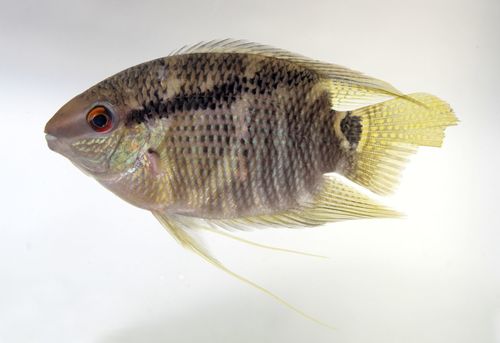
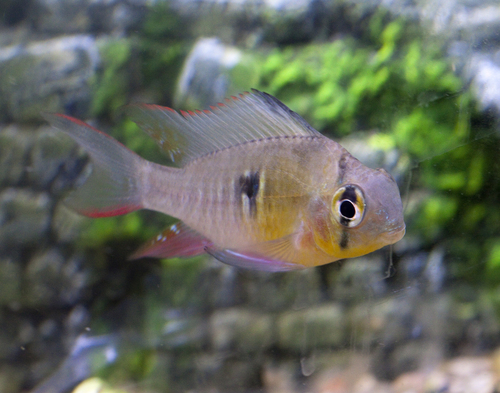
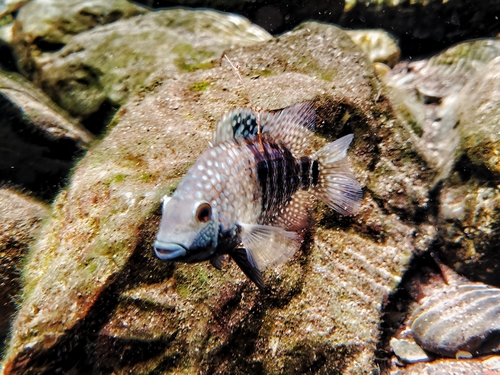
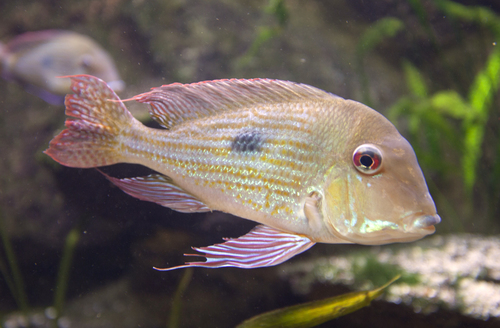
The Geophagus sp. Brasiliensis Uruguay captivates with its vibrant colors and unique personality.
Pricing for Verified Importers
Log in to see wholesale prices and order.
Export Size
up to 15.0 cm
Origin
Uruguay
Temperature
24.0–28.0°C
Min. Tank Size
200 L
pH
6.50–7.50
Diet
omnivore
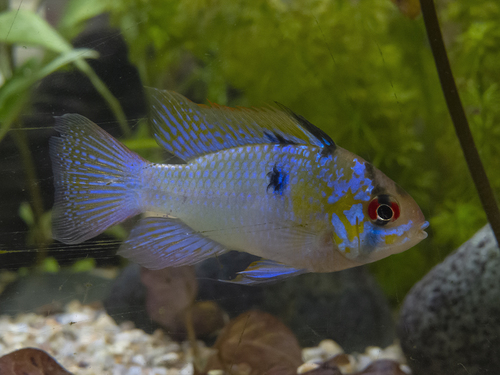
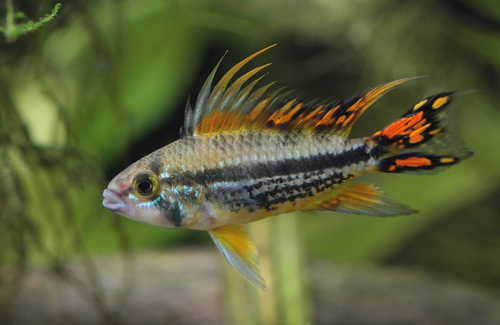
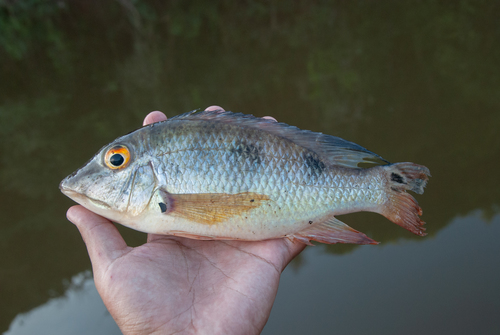
Geophagus sp. Brasiliensis Uruguay is a captivating freshwater cichlid native to the rivers and lakes of Uruguay. This species is known for its striking coloration, often exhibiting hues of blue, gold, and green, which can vary among individuals. They possess a laterally compressed body and a distinctive elongated snout that helps them forage for food in the substrate. Their unique appearance and engaging behaviors make them a popular choice for aquarists looking to add diversity to their tanks.
In their natural habitat, Geophagus sp. Brasiliensis Uruguay is typically found in slow-moving waters, where they inhabit sandy or muddy bottoms rich in organic material. They are substrate feeders, sifting through the sediment to uncover small invertebrates, plant matter, and detritus. This natural behavior can be replicated in the aquarium by providing a soft substrate and a varied diet.
Behaviorally, these fish are known to be semi-aggressive, especially during breeding. They exhibit interesting social structures and often form pairs or small groups. While they can be territorial, particularly when breeding, they usually coexist well with other medium-sized fish that share similar care requirements. When kept in well-planted tanks with ample hiding spots, they exhibit their natural behaviors and colors more vibrantly.
Geophagus sp. Brasiliensis Uruguay thrives in environments that mimic their natural habitats. They prefer warm, slightly acidic to neutral waters, and they benefit from well-oxygenated conditions. Their adaptability to different water conditions makes them a suitable choice for both novice and experienced aquarists alike.
In their natural habitat, Geophagus sp. Brasiliensis Uruguay is typically found in slow-moving waters, where they inhabit sandy or muddy bottoms rich in organic material. They are substrate feeders, sifting through the sediment to uncover small invertebrates, plant matter, and detritus. This natural behavior can be replicated in the aquarium by providing a soft substrate and a varied diet.
Behaviorally, these fish are known to be semi-aggressive, especially during breeding. They exhibit interesting social structures and often form pairs or small groups. While they can be territorial, particularly when breeding, they usually coexist well with other medium-sized fish that share similar care requirements. When kept in well-planted tanks with ample hiding spots, they exhibit their natural behaviors and colors more vibrantly.
Geophagus sp. Brasiliensis Uruguay thrives in environments that mimic their natural habitats. They prefer warm, slightly acidic to neutral waters, and they benefit from well-oxygenated conditions. Their adaptability to different water conditions makes them a suitable choice for both novice and experienced aquarists alike.
To successfully care for Geophagus sp. Brasiliensis Uruguay, it is essential to maintain stable water parameters. The ideal temperature range is between 24°C and 28°C, with a pH of 6.5 to 7.5. A minimum tank size of 200 liters is recommended to provide adequate space for swimming and exploring. These fish thrive in well-aerated water, so using a quality filter is crucial.
Feeding should consist of a varied diet that includes high-quality pellets, frozen or live foods such as daphnia and brine shrimp, and plant matter. This omnivorous diet mimics their natural foraging behavior and helps maintain their vibrant colors. It’s also essential to monitor their feeding habits, as they can be prone to overfeeding if not observed closely.
Compatibility-wise, Geophagus sp. Brasiliensis Uruguay can be housed with other semi-aggressive fish that are similar in size. Avoid keeping them with overly aggressive species, as this can lead to stress and territorial disputes. When introducing them to a new tank, acclimation should be gradual, allowing them to adjust to changes in water conditions.
Quarantine new arrivals for at least two weeks to ensure they are free from diseases and parasites before adding them to the display tank. Regular water changes and tank maintenance are essential to keep the environment healthy and conducive for these stunning cichlids.
Feeding should consist of a varied diet that includes high-quality pellets, frozen or live foods such as daphnia and brine shrimp, and plant matter. This omnivorous diet mimics their natural foraging behavior and helps maintain their vibrant colors. It’s also essential to monitor their feeding habits, as they can be prone to overfeeding if not observed closely.
Compatibility-wise, Geophagus sp. Brasiliensis Uruguay can be housed with other semi-aggressive fish that are similar in size. Avoid keeping them with overly aggressive species, as this can lead to stress and territorial disputes. When introducing them to a new tank, acclimation should be gradual, allowing them to adjust to changes in water conditions.
Quarantine new arrivals for at least two weeks to ensure they are free from diseases and parasites before adding them to the display tank. Regular water changes and tank maintenance are essential to keep the environment healthy and conducive for these stunning cichlids.
Geophagus sp. Brasiliensis Uruguay is suitable for shipping but requires careful handling to minimize stress. Packing density should allow for adequate space, ideally 1-2 fish per liter, to ensure they have room to move. They are sensitive to temperature fluctuations, so insulated boxes with heat packs may be necessary for longer transit times. Currently, there are no CITES restrictions for this species, simplifying the export process.
Species Parameters
Max Adult Size
15.0 cm
Origin
Uruguay
Diet
omnivore
Temp Min
24.0 °C
Temp Max
28.0 °C
pH Min
6.50
pH Max
7.50
Min Tank
200 L