Silver Cichlid
Vieja argantea
In Stock
Common stock
Wild Caught
Moderate care
Not Reef Safe
SKU: 01-A-03-305-01
The Silver Cichlid is a striking freshwater fish known for its vibrant colors and dynamic personality.
Pricing for Verified Importers
Log in to see wholesale prices and order.
Export Size
up to 30.0 cm
Origin
Central America
Temperature
24.0–28.0°C
Min. Tank Size
200 L
pH
6.50–8.00
Diet
omnivore
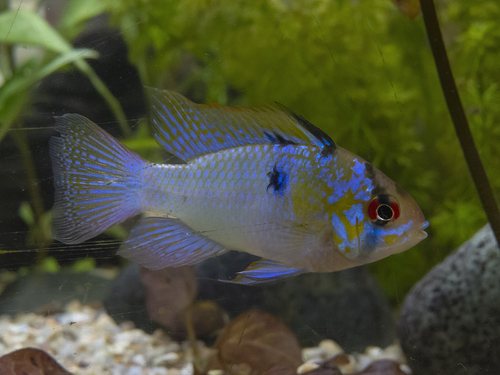
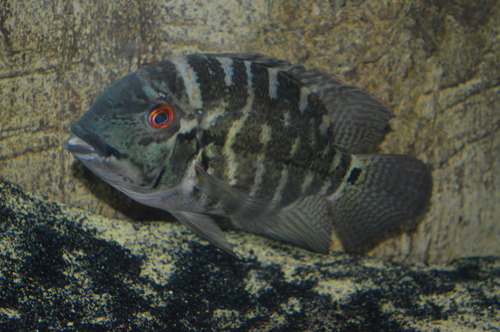
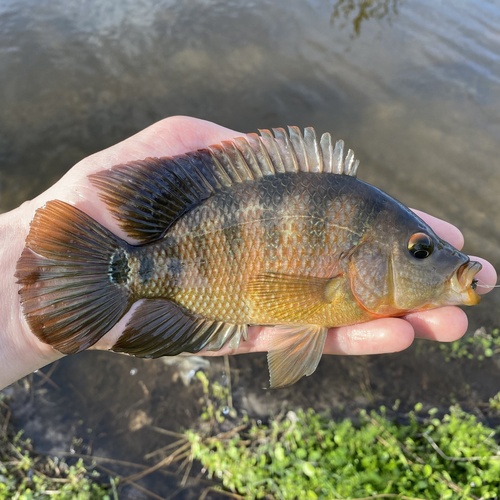
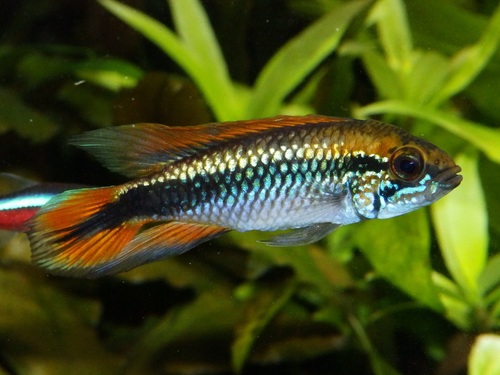
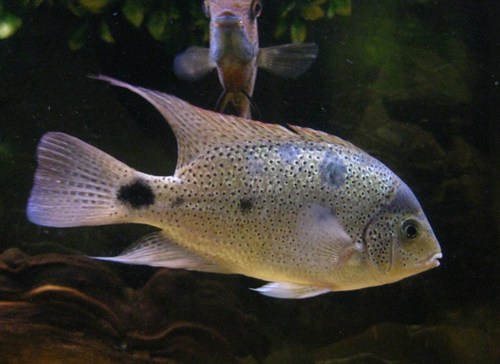
The Silver Cichlid (Vieja argantea) is a captivating species native to the freshwater rivers and lakes of Central America, particularly in the regions surrounding Nicaragua and Costa Rica. This species is renowned for its shimmering silver body adorned with dark spots, giving it a distinctive and appealing appearance. As they mature, their coloration may shift, exhibiting hues of blue and green, which adds to their allure in aquarium settings.
In terms of behavior, Silver Cichlids are known to be territorial and can exhibit aggressive tendencies, especially during breeding periods. They thrive in a structured environment with plenty of hiding spots, such as rocks and plants, which help reduce stress and territorial disputes. Their social structure is complex; while they can coexist with other species, care should be taken to select compatible tank mates to prevent conflicts.
Their natural habitat consists of slow-moving rivers, lakes, and ponds with sandy substrates, where they forage for food. They are often found in groups, displaying a fascinating range of interactions and behaviors, particularly during breeding when males establish dominance and court females. This dynamic makes them not only an attractive choice for aquarium enthusiasts but also a captivating species for observation.
In the wild, Silver Cichlids feed on a varied diet, including smaller fish, insects, and plant matter. Their omnivorous nature allows them to adapt to various food sources, making them resilient in fluctuating environmental conditions. As such, they are an excellent choice for aquarists looking to create a vibrant, active aquarium display.
In terms of behavior, Silver Cichlids are known to be territorial and can exhibit aggressive tendencies, especially during breeding periods. They thrive in a structured environment with plenty of hiding spots, such as rocks and plants, which help reduce stress and territorial disputes. Their social structure is complex; while they can coexist with other species, care should be taken to select compatible tank mates to prevent conflicts.
Their natural habitat consists of slow-moving rivers, lakes, and ponds with sandy substrates, where they forage for food. They are often found in groups, displaying a fascinating range of interactions and behaviors, particularly during breeding when males establish dominance and court females. This dynamic makes them not only an attractive choice for aquarium enthusiasts but also a captivating species for observation.
In the wild, Silver Cichlids feed on a varied diet, including smaller fish, insects, and plant matter. Their omnivorous nature allows them to adapt to various food sources, making them resilient in fluctuating environmental conditions. As such, they are an excellent choice for aquarists looking to create a vibrant, active aquarium display.
To ensure the health and well-being of Silver Cichlids, maintaining optimal water parameters is crucial. They thrive in water temperatures ranging from 24°C to 28°C, with a pH level between 6.5 and 8.0. Regular monitoring of water quality is recommended, as they are sensitive to changes in their environment. A minimum tank size of 200 liters is advised to provide ample space for swimming and establishing territories.
Feeding Silver Cichlids a varied diet is essential for their growth and vitality. A mix of high-quality pellets, frozen or live foods such as brine shrimp and bloodworms, along with vegetable matter, will provide balanced nutrition. It is crucial to feed them multiple times a day in small portions to prevent overfeeding and maintain water quality.
When introducing Silver Cichlids to a new aquarium, gradual acclimation is key. Floating the bag in the tank for 15-20 minutes before releasing them, along with slowly mixing tank water into the bag, helps minimize stress. Quarantine new arrivals for at least two weeks to prevent the spread of disease to existing fish.
Compatibility should be carefully considered; while they can cohabit with other robust species, avoid small or timid fish that may become targets of aggression. Ideal tank mates include larger cichlids and robust community fish that can withstand the Silver Cichlid's territorial behavior.
Feeding Silver Cichlids a varied diet is essential for their growth and vitality. A mix of high-quality pellets, frozen or live foods such as brine shrimp and bloodworms, along with vegetable matter, will provide balanced nutrition. It is crucial to feed them multiple times a day in small portions to prevent overfeeding and maintain water quality.
When introducing Silver Cichlids to a new aquarium, gradual acclimation is key. Floating the bag in the tank for 15-20 minutes before releasing them, along with slowly mixing tank water into the bag, helps minimize stress. Quarantine new arrivals for at least two weeks to prevent the spread of disease to existing fish.
Compatibility should be carefully considered; while they can cohabit with other robust species, avoid small or timid fish that may become targets of aggression. Ideal tank mates include larger cichlids and robust community fish that can withstand the Silver Cichlid's territorial behavior.
Silver Cichlids are suitable for air shipping, provided they are packed securely to minimize stress during transit. A packing density of 1-2 fish per liter is recommended, ensuring sufficient oxygenation. They are sensitive to temperature changes, so maintaining a stable environment between 24°C and 28°C during shipping is critical. As a non-CITES species, they can be exported without additional regulatory restrictions.
Species Parameters
Max Adult Size
30.0 cm
Origin
Central America
Diet
omnivore
Temp Min
24.0 °C
Temp Max
28.0 °C
pH Min
6.50
pH Max
8.00
Min Tank
200 L