Threespot Eartheater
Satanoperca daemond
In Stock
Common stock
Wild Caught
Moderate care
Not Reef Safe
SKU: 01-A-03-374-02
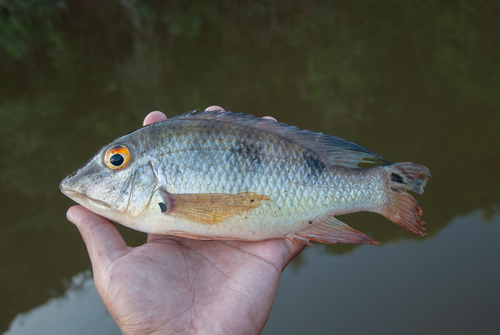
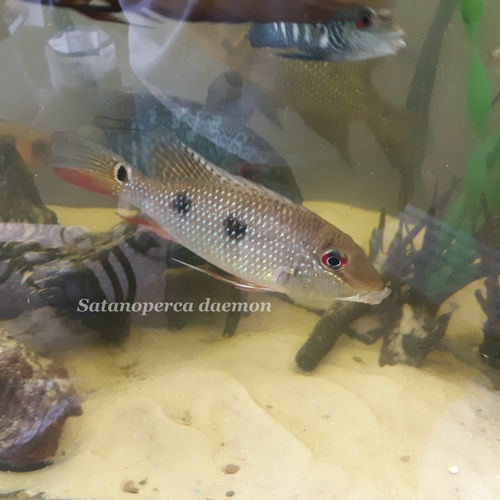
The Threespot Eartheater is a captivating freshwater fish known for its unique behavior and striking appearance.
Pricing for Verified Importers
Log in to see wholesale prices and order.
Export Size
up to 15.0 cm
Origin
Amazon Basin
Temperature
24.0–28.0°C
Min. Tank Size
200 L
pH
6.00–7.50
Diet
omnivore
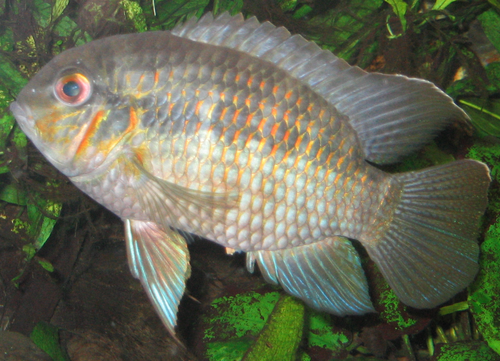
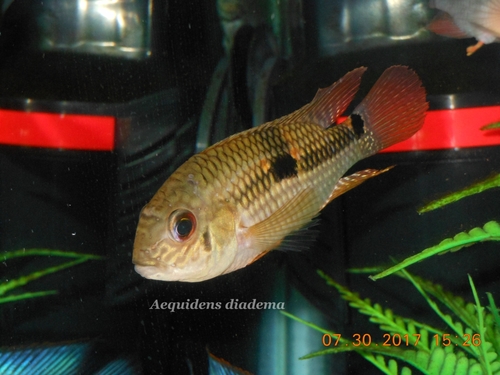
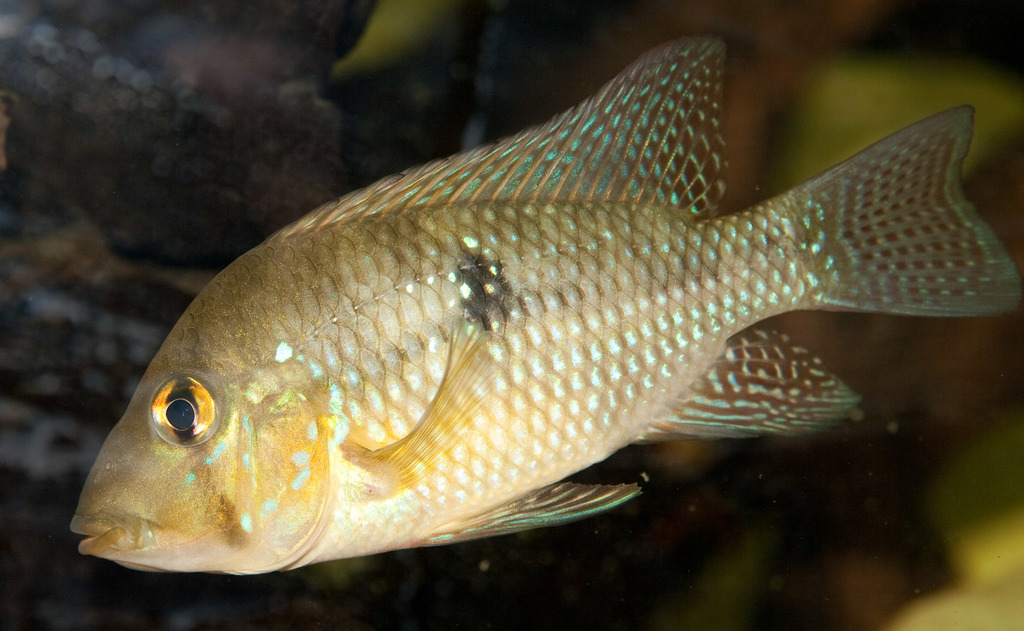
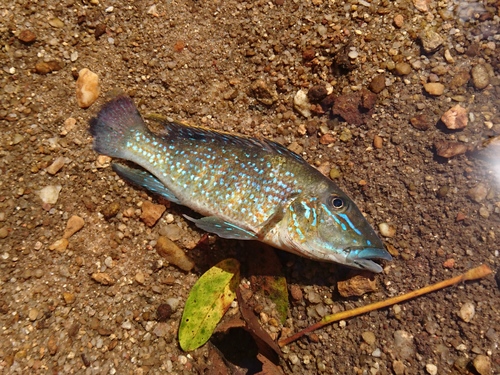
The Threespot Eartheater (Satanoperca daemond) is a fascinating freshwater species native to the Amazon Basin. This species is distinguished by its vibrant coloration, featuring spots that resemble a three-spot pattern, which gives it its name. Adult individuals typically display a mix of shimmering blues, yellows, and greens, making them a striking addition to aquarium displays. Their elongated bodies and flat, broad heads are also notable, contributing to their unique morphology that enhances their feeding behavior.
In their natural habitat, Threespot Eartheaters inhabit slow-moving rivers and floodplains, where they thrive in sandy or muddy substrates. These fish are known for their digging behavior, which they use to sift through sediment to find food, primarily small invertebrates and detritus. This natural behavior not only aids in their feeding but also plays a role in the ecosystem by aerating the substrate. Their social nature often leads them to be found in small groups, displaying interesting social interactions among themselves.
Threespot Eartheaters are also known for their semi-aggressive temperament, especially during breeding seasons. Males can become territorial and display vibrant colors to attract females. This species is a mouthbrooder, with females carrying fertilized eggs in their mouths until they hatch, showcasing a unique reproductive strategy among freshwater fish. Their interactive behavior and intriguing breeding rituals make them a popular choice among aquarists looking for dynamic species.
The Threespot Eartheater's habitat is typically characterized by warm, soft, and slightly acidic waters, which provide essential conditions for their growth and behavior. Understanding these parameters is crucial for maintaining their health in captivity, making them an engaging challenge for dedicated aquarists.
In their natural habitat, Threespot Eartheaters inhabit slow-moving rivers and floodplains, where they thrive in sandy or muddy substrates. These fish are known for their digging behavior, which they use to sift through sediment to find food, primarily small invertebrates and detritus. This natural behavior not only aids in their feeding but also plays a role in the ecosystem by aerating the substrate. Their social nature often leads them to be found in small groups, displaying interesting social interactions among themselves.
Threespot Eartheaters are also known for their semi-aggressive temperament, especially during breeding seasons. Males can become territorial and display vibrant colors to attract females. This species is a mouthbrooder, with females carrying fertilized eggs in their mouths until they hatch, showcasing a unique reproductive strategy among freshwater fish. Their interactive behavior and intriguing breeding rituals make them a popular choice among aquarists looking for dynamic species.
The Threespot Eartheater's habitat is typically characterized by warm, soft, and slightly acidic waters, which provide essential conditions for their growth and behavior. Understanding these parameters is crucial for maintaining their health in captivity, making them an engaging challenge for dedicated aquarists.
To successfully care for Threespot Eartheaters, maintaining optimal water parameters is essential. They thrive in temperatures ranging from 24°C to 28°C, with a pH level between 6.0 and 7.5. A minimum tank size of 200 liters is recommended to provide ample swimming space and territory for these semi-aggressive fish. The tank should be equipped with sandy or fine substrates to allow for natural digging behavior, along with plenty of hiding spots using driftwood and plants.
Feeding these fish is relatively straightforward, as they are omnivorous in nature. A varied diet of high-quality pellets, frozen or live foods like bloodworms and brine shrimp, will ensure their nutritional needs are met. It is advisable to feed them small portions multiple times a day to promote healthy growth and behavior. Compatibility with other species should be approached with caution; they can coexist with similarly sized fish but may show aggression towards smaller tankmates.
Acclimation is crucial when introducing Threespot Eartheaters to a new environment. A slow acclimation process, ideally over several hours, will help reduce stress. Quarantine is also recommended for new arrivals to prevent the spread of potential pathogens. By following these care guidelines, importers and retailers can ensure the health and well-being of Threespot Eartheaters, making them a valuable species for aquarists.
Feeding these fish is relatively straightforward, as they are omnivorous in nature. A varied diet of high-quality pellets, frozen or live foods like bloodworms and brine shrimp, will ensure their nutritional needs are met. It is advisable to feed them small portions multiple times a day to promote healthy growth and behavior. Compatibility with other species should be approached with caution; they can coexist with similarly sized fish but may show aggression towards smaller tankmates.
Acclimation is crucial when introducing Threespot Eartheaters to a new environment. A slow acclimation process, ideally over several hours, will help reduce stress. Quarantine is also recommended for new arrivals to prevent the spread of potential pathogens. By following these care guidelines, importers and retailers can ensure the health and well-being of Threespot Eartheaters, making them a valuable species for aquarists.
Threespot Eartheaters are suitable for shipping, provided proper care is taken during transit. They should be packed in breathable bags with sufficient oxygen and appropriate water conditions to maintain temperature stability. A packing density of 1 fish per 5 liters is recommended to minimize stress. These fish are sensitive to temperature fluctuations; thus, maintaining a stable temperature during shipping is crucial. They are not listed under CITES, facilitating easier export procedures.
Species Parameters
Max Adult Size
15.0 cm
Origin
Amazon Basin
Diet
omnivore
Temp Min
24.0 °C
Temp Max
28.0 °C
pH Min
6.00
pH Max
7.50
Min Tank
200 L