Clown Angel
Pterophyllum scalare
In Stock
Common stock
Wild Caught
Moderate care
Not Reef Safe
SKU: 01-A-06-040-01
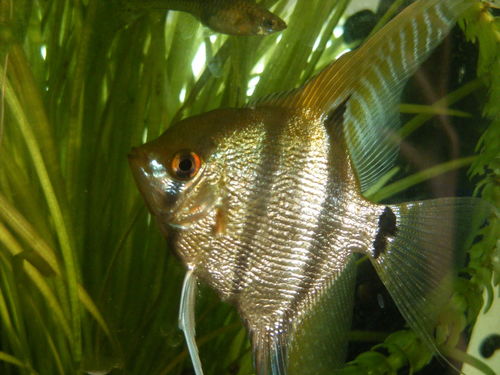
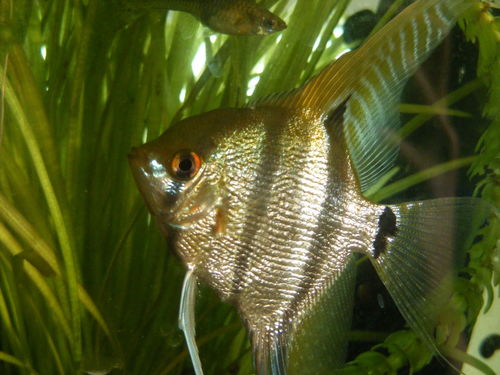
The Clown Angel is a stunning freshwater angelfish, ideal for aquarists.
Pricing for Verified Importers
Log in to see wholesale prices and order.
Export Size
up to 15.0 cm
Origin
Amazon Basin
Temperature
26.0–30.0°C
Min. Tank Size
100 L
pH
6.00–7.00
Diet
omnivore
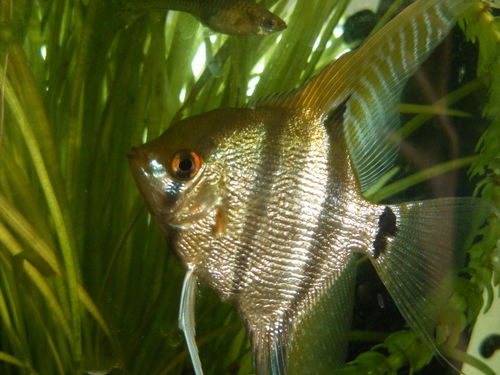
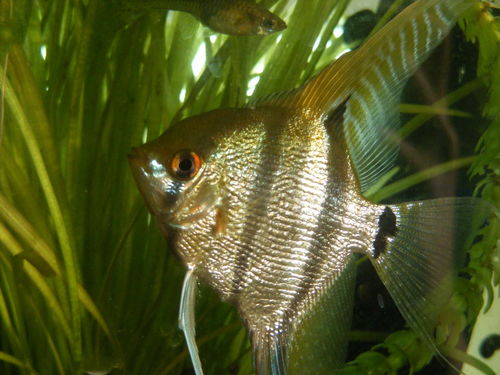
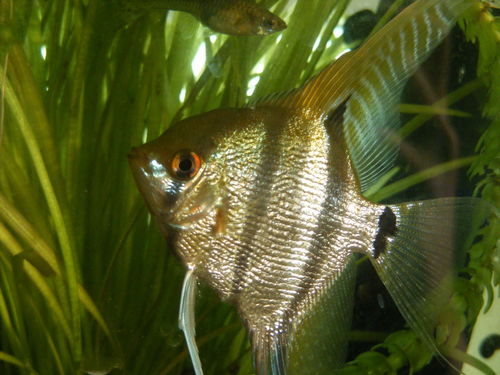
Pterophyllum scalare, commonly known as the Clown Angel or freshwater angelfish, is a captivating species native to the Amazon Basin. This species thrives in the rich, biodiverse waters of Peru, Colombia, and Brazil, particularly favoring areas with dense vegetation in swamps and flooded grounds. The Clown Angel is characterized by its graceful, triangular body shape and vibrant coloration, which can include a mix of black, white, and gold patterns that captivate both novice and experienced aquarists alike.
In terms of behavior, Clown Angels are known for their peaceful nature, making them suitable for community tanks. They exhibit interesting social interactions and can often be seen gliding gracefully through their environment. These fish prefer to occupy the mid to upper levels of the aquarium, where they can explore and find suitable hiding spots among plants and decorations. Their calm demeanor allows them to coexist harmoniously with a variety of other freshwater species, though care should be taken when housing them with overly aggressive tank mates.
The natural habitat of the Clown Angel is characterized by warm, slow-moving waters with a neutral to slightly acidic pH. They are typically found in environments that offer plenty of shelter and hiding spots, which mimic their natural surroundings. This species flourishes in temperatures ranging from 26 to 30°C, benefiting from stable water conditions that closely resemble their native habitat. The Clown Angel's adaptability to aquarium life has made it one of the most popular freshwater fish in the aquarium trade, and its stunning appearance and gentle nature make it a favorite among hobbyists.
In the wild, Clown Angels primarily feed on small invertebrates and plant matter. This omnivorous diet allows them to thrive in a variety of environments, and it is essential to replicate this diverse diet in captivity to ensure their health and vitality. Regular feeding with high-quality flakes, pellets, and occasional live or frozen foods will keep them thriving in the aquarium setting.
In terms of behavior, Clown Angels are known for their peaceful nature, making them suitable for community tanks. They exhibit interesting social interactions and can often be seen gliding gracefully through their environment. These fish prefer to occupy the mid to upper levels of the aquarium, where they can explore and find suitable hiding spots among plants and decorations. Their calm demeanor allows them to coexist harmoniously with a variety of other freshwater species, though care should be taken when housing them with overly aggressive tank mates.
The natural habitat of the Clown Angel is characterized by warm, slow-moving waters with a neutral to slightly acidic pH. They are typically found in environments that offer plenty of shelter and hiding spots, which mimic their natural surroundings. This species flourishes in temperatures ranging from 26 to 30°C, benefiting from stable water conditions that closely resemble their native habitat. The Clown Angel's adaptability to aquarium life has made it one of the most popular freshwater fish in the aquarium trade, and its stunning appearance and gentle nature make it a favorite among hobbyists.
In the wild, Clown Angels primarily feed on small invertebrates and plant matter. This omnivorous diet allows them to thrive in a variety of environments, and it is essential to replicate this diverse diet in captivity to ensure their health and vitality. Regular feeding with high-quality flakes, pellets, and occasional live or frozen foods will keep them thriving in the aquarium setting.
Clown Angels require specific water parameters to thrive, with a temperature range of 26 to 30°C and a pH level between 6.0 and 7.0. The water hardness (gH) should be maintained between 3 to 10 °dH. It is crucial to perform regular water changes to keep the water clean and stable, as angelfish are sensitive to poor water quality.
Feeding Clown Angels is relatively straightforward, as they are omnivores. A balanced diet should include high-quality flake foods, pellets, and occasional treats of live or frozen foods like brine shrimp or bloodworms. Ensure that the food is appropriately sized, especially for younger fish, to prevent any choking hazards.
Compatibility is key when housing Clown Angels in community aquariums. They generally do well with peaceful fish but should be monitored closely with more aggressive species. When introducing new fish, it is advisable to acclimate them slowly and carefully to minimize stress. Quarantine new arrivals for at least two weeks to prevent the spread of disease before adding them to the main tank. Regular monitoring for signs of stress or illness is essential to maintain a healthy aquarium environment.
Feeding Clown Angels is relatively straightforward, as they are omnivores. A balanced diet should include high-quality flake foods, pellets, and occasional treats of live or frozen foods like brine shrimp or bloodworms. Ensure that the food is appropriately sized, especially for younger fish, to prevent any choking hazards.
Compatibility is key when housing Clown Angels in community aquariums. They generally do well with peaceful fish but should be monitored closely with more aggressive species. When introducing new fish, it is advisable to acclimate them slowly and carefully to minimize stress. Quarantine new arrivals for at least two weeks to prevent the spread of disease before adding them to the main tank. Regular monitoring for signs of stress or illness is essential to maintain a healthy aquarium environment.
Clown Angels are best shipped in stable temperature conditions between 26 and 30°C. Packing density should be managed to ensure adequate oxygen levels during transit. These fish are sensitive to temperature fluctuations, so proper insulation and heating packs should be utilized during shipping. Currently, Pterophyllum scalare is not listed under CITES, allowing for more straightforward export practices.
Species Parameters
Max Adult Size
15.0 cm
Origin
Amazon Basin
Diet
omnivore
Temp Min
26.0 °C
Temp Max
30.0 °C
pH Min
6.00
pH Max
7.00
Min Tank
100 L