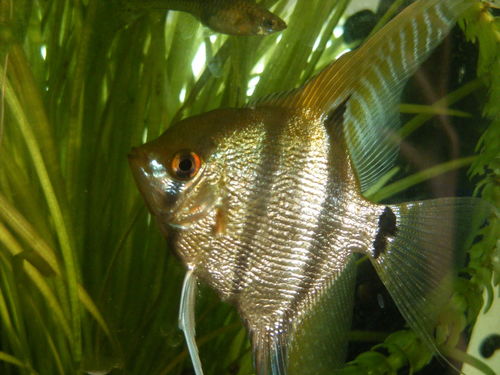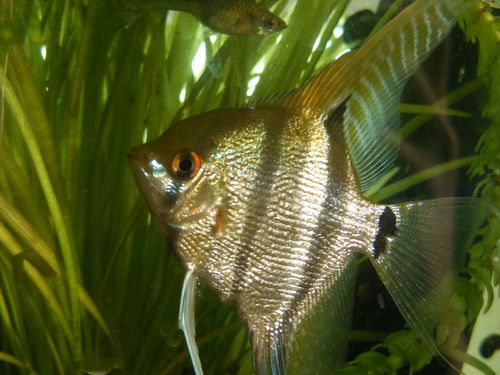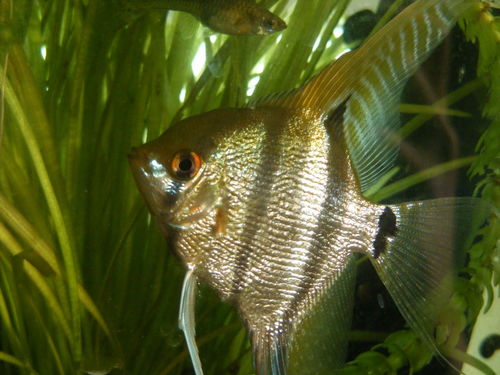
Golden Red Cap Angel
Pterophyllum scalare
In Stock
Common stock
Wild Caught
Moderate care
Not Reef Safe
SKU: 01-A-06-082-02
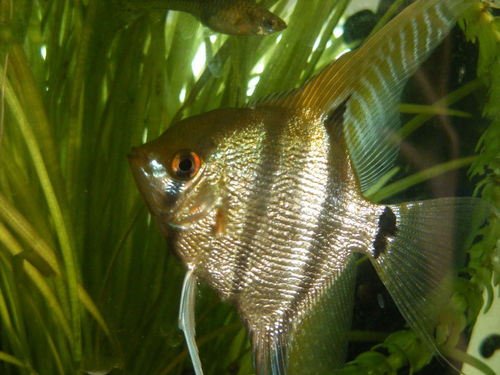
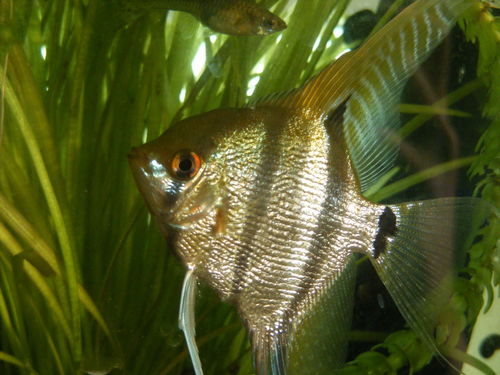
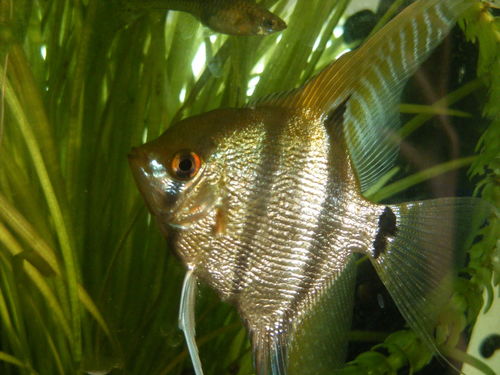
The Golden Red Cap Angel is a stunning addition to any aquarium with its vibrant colors and graceful swimming.
Pricing for Verified Importers
Log in to see wholesale prices and order.
Export Size
up to 15.0 cm
Origin
Amazon Basin
Temperature
26.0–30.0°C
Min. Tank Size
100 L
pH
6.00–7.00
Diet
omnivore
Pterophyllum scalare, commonly known as the Golden Red Cap Angel, is a captivating freshwater fish that is highly sought after in the aquarium trade. This species is native to the Amazon Basin, specifically found in countries like Peru, Colombia, and Brazil. It thrives in the warm, nutrient-rich waters of swamps and flooded areas, where dense vegetation provides shelter and breeding grounds. The Golden Red Cap Angel is particularly admired for its striking appearance, featuring a golden body adorned with red accents on its head, which makes it a standout species in any aquatic display.
In terms of natural history, these fish are known for their peaceful demeanor, making them ideal for community tanks. They exhibit a unique behavior where they form strong pair bonds, often displaying interesting courtship rituals. Their social nature means they thrive in groups, although they can also be territorial, especially during spawning. Their natural habitat consists of clear to slightly turbid waters, with a pH range of 6.0 to 7.0 and a general hardness of 3 to 10 °dH, which must be mimicked in captivity for optimal health.
The Golden Red Cap Angel has a distinctive shape characterized by its triangular body and long, flowing fins. These features not only enhance its beauty but also contribute to its graceful swimming style. In addition to their aesthetic appeal, these fish are hardy and adaptable, making them suitable for both novice and experienced aquarists. They prefer warmer water temperatures, typically ranging from 26 to 30 °C, which helps to replicate their natural environment.
Overall, the Golden Red Cap Angel is a remarkable species that adds color and elegance to aquariums. Its combination of beauty, social behavior, and adaptability makes it a favorite among aquarium enthusiasts and a valuable export species from Bali, Indonesia.
In terms of natural history, these fish are known for their peaceful demeanor, making them ideal for community tanks. They exhibit a unique behavior where they form strong pair bonds, often displaying interesting courtship rituals. Their social nature means they thrive in groups, although they can also be territorial, especially during spawning. Their natural habitat consists of clear to slightly turbid waters, with a pH range of 6.0 to 7.0 and a general hardness of 3 to 10 °dH, which must be mimicked in captivity for optimal health.
The Golden Red Cap Angel has a distinctive shape characterized by its triangular body and long, flowing fins. These features not only enhance its beauty but also contribute to its graceful swimming style. In addition to their aesthetic appeal, these fish are hardy and adaptable, making them suitable for both novice and experienced aquarists. They prefer warmer water temperatures, typically ranging from 26 to 30 °C, which helps to replicate their natural environment.
Overall, the Golden Red Cap Angel is a remarkable species that adds color and elegance to aquariums. Its combination of beauty, social behavior, and adaptability makes it a favorite among aquarium enthusiasts and a valuable export species from Bali, Indonesia.
To ensure the health and well-being of the Golden Red Cap Angel, it is crucial to maintain specific water parameters. The ideal temperature range is between 26.0 to 30.0 °C, with a pH level ideally kept between 6.0 and 7.0. Water hardness should be maintained between 3 to 10 °dH. These parameters mimic their natural habitat and help reduce stress on the fish.
Feeding the Golden Red Cap Angel is relatively straightforward, as they are omnivores. A varied diet that includes high-quality flake food, pellets, and occasional live or frozen foods like brine shrimp and bloodworms will promote vibrant colors and overall health. It's important to feed them small amounts multiple times a day to prevent overfeeding and maintain water quality.
In terms of compatibility, these angelfish generally do well with other peaceful species, but caution should be taken when introducing them to smaller fish, as they may see them as potential food. Acclimation should be done gradually, allowing the fish to adjust to the new environment over several hours. A quarantine period of at least two weeks is recommended before introducing them to a main tank, ensuring they are healthy and free of disease.
Overall, proper care, including maintaining water quality, providing a balanced diet, and ensuring compatible tank mates, will lead to thriving Golden Red Cap Angels in your aquarium.
Feeding the Golden Red Cap Angel is relatively straightforward, as they are omnivores. A varied diet that includes high-quality flake food, pellets, and occasional live or frozen foods like brine shrimp and bloodworms will promote vibrant colors and overall health. It's important to feed them small amounts multiple times a day to prevent overfeeding and maintain water quality.
In terms of compatibility, these angelfish generally do well with other peaceful species, but caution should be taken when introducing them to smaller fish, as they may see them as potential food. Acclimation should be done gradually, allowing the fish to adjust to the new environment over several hours. A quarantine period of at least two weeks is recommended before introducing them to a main tank, ensuring they are healthy and free of disease.
Overall, proper care, including maintaining water quality, providing a balanced diet, and ensuring compatible tank mates, will lead to thriving Golden Red Cap Angels in your aquarium.
The Golden Red Cap Angel is suitable for export and can be shipped efficiently with proper care. Packing density should be moderate to ensure ample space for movement during transit. These fish are sensitive to temperature fluctuations, so maintaining a stable range is crucial during shipping. Ensure that the packaging includes adequate oxygen and insulation to protect them from temperature extremes. CITES status is not applicable as this species is not listed, making it easier for export purposes.
Species Parameters
Max Adult Size
15.0 cm
Origin
Amazon Basin
Diet
omnivore
Temp Min
26.0 °C
Temp Max
30.0 °C
pH Min
6.00
pH Max
7.00
Min Tank
100 L