Borneo Bonylipped Barb
Osteochilus pentalineatus
Out of Stock
Scarce stock
Wild Caught
Moderate care
Not Reef Safe
SKU: 01-A-17-003-09
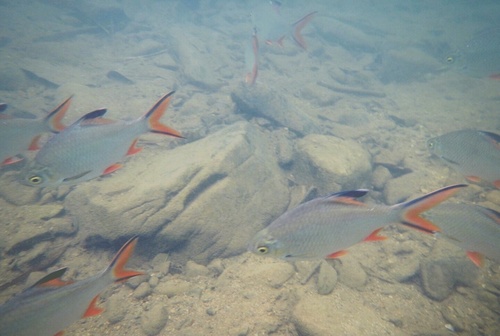
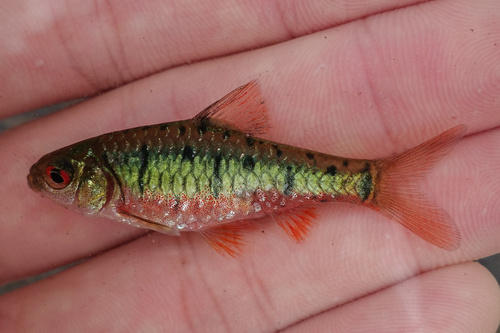
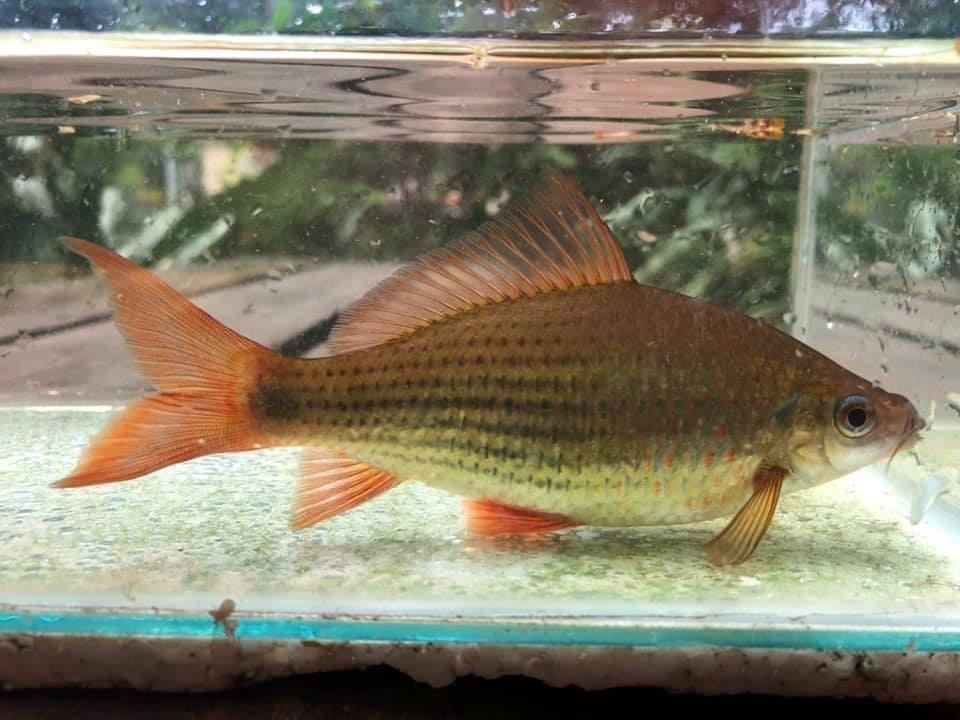
The Borneo Bonylipped Barb is a striking freshwater fish known for its vibrant colors and unique lip structure.
Pricing for Verified Importers
Log in to see wholesale prices and order.
Export Size
up to 10.0 cm
Origin
Southeast Asia
Temperature
24.0–28.0°C
Min. Tank Size
100 L
pH
6.00–7.50
Diet
omnivore
The Borneo Bonylipped Barb (Osteochilus pentalineatus) is a fascinating freshwater fish native to the rivers and streams of Borneo and Sumatra. This species is particularly noted for its distinctive bonylipped appearance, featuring a prominent, fleshy lip that contributes to its unique feeding habits. The body is elongated and laterally compressed, adorned with a stunning pattern of dark vertical stripes against a silvery background, which serves as camouflage in its natural habitat.
In terms of behavior, the Borneo Bonylipped Barb is a peaceful and social species, often found in schools in the wild. They thrive in well-oxygenated waters with plenty of vegetation, where they forage for food. Their diet primarily consists of detritus, algae, and small invertebrates, making them beneficial for maintaining aquatic ecosystems. This species is also known for its active swimming patterns, adding dynamic movement to community aquariums.
The natural habitat of the Borneo Bonylipped Barb includes slow-moving rivers and streams with sandy or gravel substrates, surrounded by dense vegetation. These habitats provide essential cover and foraging opportunities, which are crucial for their survival. The water conditions in these environments are typically soft and slightly acidic, which contributes to the overall health and vibrancy of the fish.
As a species, the Borneo Bonylipped Barb is not only visually appealing but also plays an important role in its ecosystem. Its adaptability to different freshwater environments makes it a popular choice among aquarists looking to add diversity to their collections.
In terms of behavior, the Borneo Bonylipped Barb is a peaceful and social species, often found in schools in the wild. They thrive in well-oxygenated waters with plenty of vegetation, where they forage for food. Their diet primarily consists of detritus, algae, and small invertebrates, making them beneficial for maintaining aquatic ecosystems. This species is also known for its active swimming patterns, adding dynamic movement to community aquariums.
The natural habitat of the Borneo Bonylipped Barb includes slow-moving rivers and streams with sandy or gravel substrates, surrounded by dense vegetation. These habitats provide essential cover and foraging opportunities, which are crucial for their survival. The water conditions in these environments are typically soft and slightly acidic, which contributes to the overall health and vibrancy of the fish.
As a species, the Borneo Bonylipped Barb is not only visually appealing but also plays an important role in its ecosystem. Its adaptability to different freshwater environments makes it a popular choice among aquarists looking to add diversity to their collections.
When caring for the Borneo Bonylipped Barb, it is essential to replicate their natural habitat as closely as possible. The ideal water parameters include a temperature range of 24-28°C, a pH of 6.0-7.5, and a hardness of 2-10 dGH. These fish thrive in well-oxygenated environments, so using a quality filtration system is recommended.
Feeding the Borneo Bonylipped Barb is straightforward, as they are omnivorous. A varied diet consisting of high-quality flake food, pellets, and occasional live or frozen foods such as brine shrimp or daphnia will keep them healthy and vibrant. It is crucial to avoid overfeeding, as this can lead to water quality issues.
In terms of compatibility, these fish are generally peaceful and can coexist with other non-aggressive species. It is best to keep them in schools of six or more to reduce stress and promote natural behavior. Acclimation should be done slowly, introducing them to the new environment over several hours to minimize shock. Additionally, a quarantine period of at least two weeks is advisable before introducing them to a main tank, to ensure they are free from diseases and parasites.
Feeding the Borneo Bonylipped Barb is straightforward, as they are omnivorous. A varied diet consisting of high-quality flake food, pellets, and occasional live or frozen foods such as brine shrimp or daphnia will keep them healthy and vibrant. It is crucial to avoid overfeeding, as this can lead to water quality issues.
In terms of compatibility, these fish are generally peaceful and can coexist with other non-aggressive species. It is best to keep them in schools of six or more to reduce stress and promote natural behavior. Acclimation should be done slowly, introducing them to the new environment over several hours to minimize shock. Additionally, a quarantine period of at least two weeks is advisable before introducing them to a main tank, to ensure they are free from diseases and parasites.
The Borneo Bonylipped Barb is suitable for export, provided they are packed securely to minimize stress during transit. A packing density of 1-2 fish per liter is recommended to ensure ample space and oxygen. These fish are sensitive to temperature fluctuations, so maintaining a stable environment during shipping is crucial. They are not listed under CITES, allowing for easier export procedures.
Species Parameters
Max Adult Size
10.0 cm
Origin
Southeast Asia
Diet
omnivore
Temp Min
24.0 °C
Temp Max
28.0 °C
pH Min
6.00
pH Max
7.50
Min Tank
100 L