Snyder's Barb
Puntius snyderi
Out of Stock
Scarce stock
Wild Caught
Moderate care
Not Reef Safe
SKU: 01-A-17-058-04
Snyder's Barb is a vibrant freshwater fish known for its striking colors and lively behavior.
Pricing for Verified Importers
Log in to see wholesale prices and order.
Export Size
up to 8.0 cm
Origin
Southeast Asia
Temperature
22.0–28.0°C
Min. Tank Size
100 L
pH
6.50–7.50
Diet
omnivore
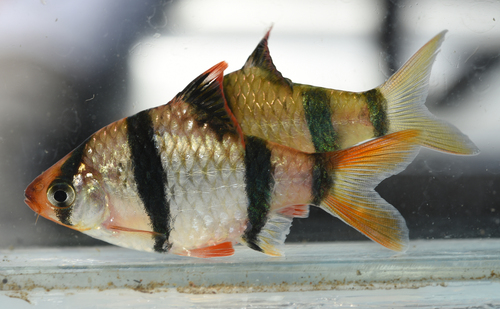
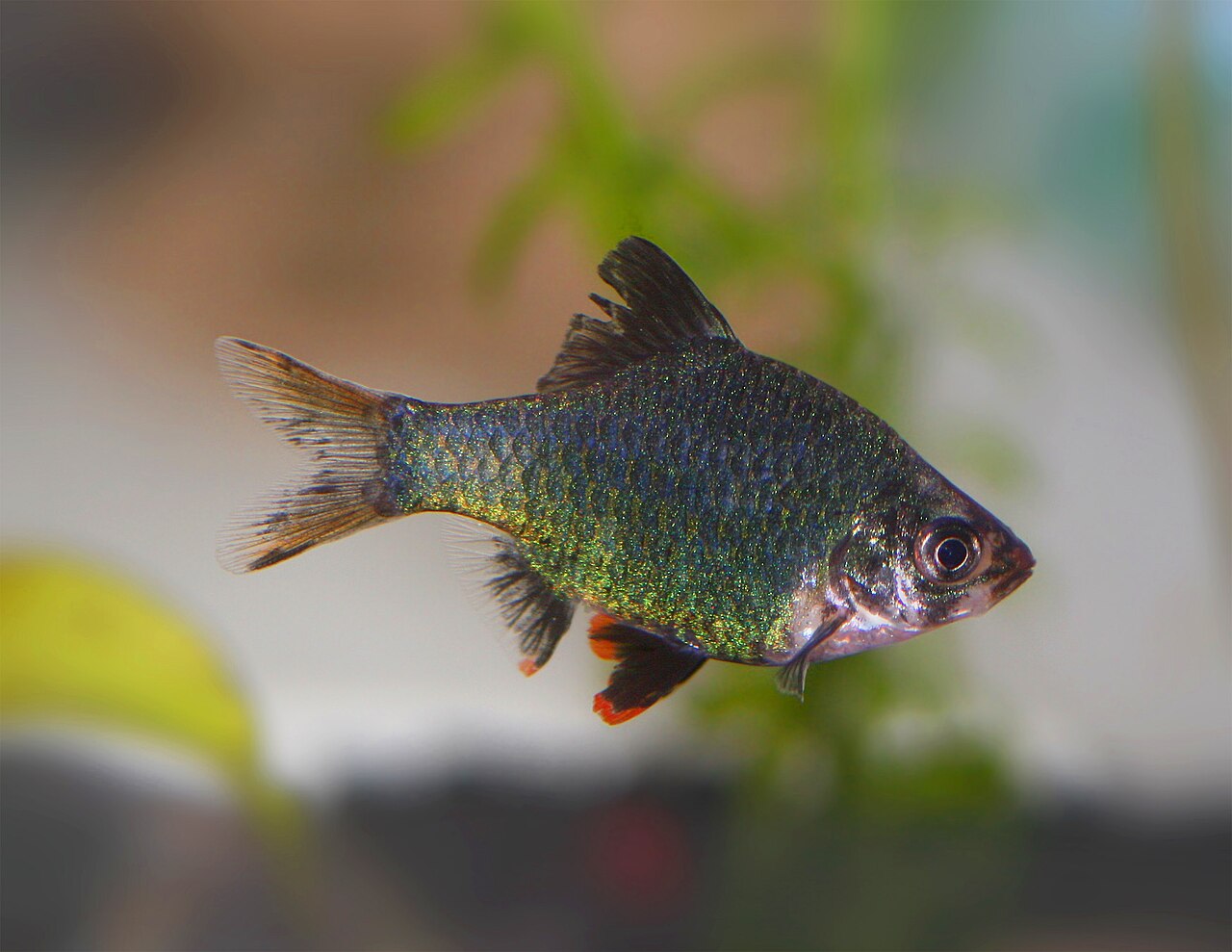
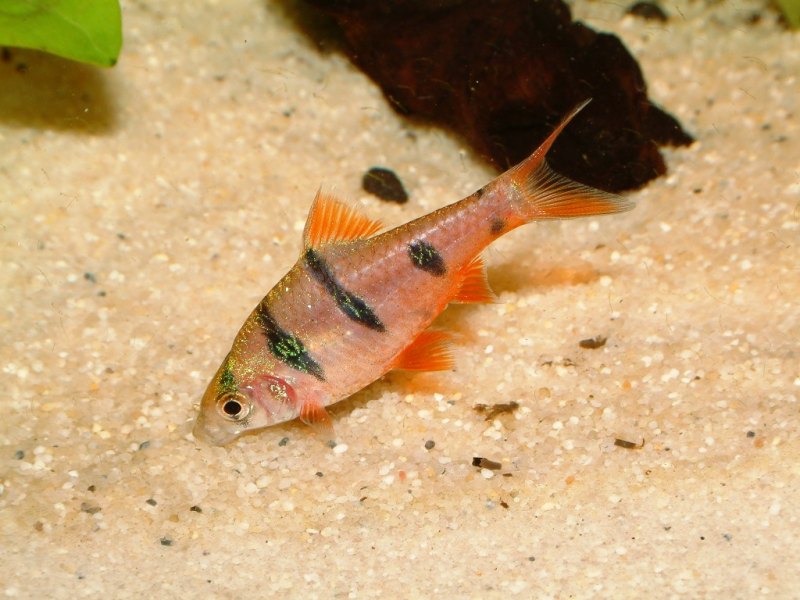
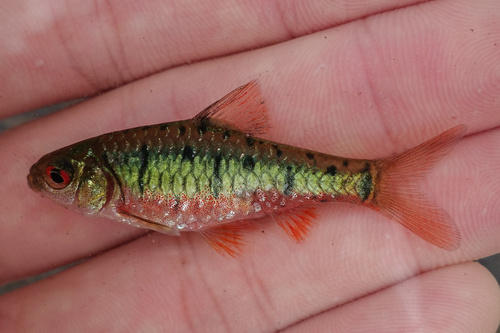
Puntius snyderi, commonly known as Snyder's Barb, is a captivating species of cyprinid fish endemic to the freshwater streams and rivers of Taiwan. This species is named after the esteemed American ichthyologist John Otterbein Snyder, reflecting its notable contribution to the aquatic biodiversity of the region. Snyder's Barb stands out due to its vivid coloration, with a body that features a mix of red, orange, and yellow hues, making it a popular choice among aquarists and a fascinating addition to community tanks.
In terms of appearance, Snyder's Barb exhibits a streamlined body that can reach up to 8 cm in length. The fish possesses a distinctive dorsal fin and a forked tail, which enhance its agility in water. They are often seen swimming in groups, showcasing their social nature and vibrant colors, which can change slightly depending on their environment and mood. Their active and playful behavior not only adds life to aquariums but also makes them visually appealing, drawing attention from both hobbyists and retailers.
Snyder's Barb thrives in freshwater habitats characterized by flowing waters, dense vegetation, and abundant hiding spots. They prefer to reside in schools, which not only provides safety from predators but also encourages their natural behaviors. These fish are often found in shallow waters where they can forage for food and interact with their peers. The species plays a vital role in its ecosystem, contributing to the health of aquatic vegetation and serving as prey for larger fish.
Overall, Snyder's Barb is not just an attractive fish; it is a lively and engaging species that enhances the biodiversity of any aquarium. Its unique characteristics and social nature make it a favorite among aquarium enthusiasts and a valuable asset for wholesalers and retailers alike.
In terms of appearance, Snyder's Barb exhibits a streamlined body that can reach up to 8 cm in length. The fish possesses a distinctive dorsal fin and a forked tail, which enhance its agility in water. They are often seen swimming in groups, showcasing their social nature and vibrant colors, which can change slightly depending on their environment and mood. Their active and playful behavior not only adds life to aquariums but also makes them visually appealing, drawing attention from both hobbyists and retailers.
Snyder's Barb thrives in freshwater habitats characterized by flowing waters, dense vegetation, and abundant hiding spots. They prefer to reside in schools, which not only provides safety from predators but also encourages their natural behaviors. These fish are often found in shallow waters where they can forage for food and interact with their peers. The species plays a vital role in its ecosystem, contributing to the health of aquatic vegetation and serving as prey for larger fish.
Overall, Snyder's Barb is not just an attractive fish; it is a lively and engaging species that enhances the biodiversity of any aquarium. Its unique characteristics and social nature make it a favorite among aquarium enthusiasts and a valuable asset for wholesalers and retailers alike.
Caring for Snyder's Barb requires an understanding of its specific environmental needs to ensure optimal health and longevity. The ideal water parameters for this species are a temperature range of 22-28°C, a pH level between 6.5 and 7.5, and moderate water hardness. It is essential to maintain clean and well-filtered water, as these fish are sensitive to poor water quality. Regular water changes of 10-15% weekly are recommended to keep the aquatic environment stable.
Feeding Snyder's Barb is quite straightforward, as they are omnivorous and will accept a variety of foods. A balanced diet should consist of high-quality flake food, supplemented with live or frozen foods such as brine shrimp, daphnia, and finely chopped vegetables. This varied diet supports their vibrant coloration and active nature. Compatibility is another important factor; Snyder's Barb is generally peaceful and can coexist with other community fish, making them an excellent choice for mixed-species tanks.
Acclimation should be done gradually to reduce stress. Introducing them to a new environment should involve floating the sealed bag in the aquarium for 15-20 minutes, followed by slowly mixing tank water into the bag over the next hour. Quarantine is also recommended for new arrivals to prevent the spread of potential diseases. A quarantine period of 2-3 weeks can help ensure that the fish are healthy before introducing them to the main tank.
Feeding Snyder's Barb is quite straightforward, as they are omnivorous and will accept a variety of foods. A balanced diet should consist of high-quality flake food, supplemented with live or frozen foods such as brine shrimp, daphnia, and finely chopped vegetables. This varied diet supports their vibrant coloration and active nature. Compatibility is another important factor; Snyder's Barb is generally peaceful and can coexist with other community fish, making them an excellent choice for mixed-species tanks.
Acclimation should be done gradually to reduce stress. Introducing them to a new environment should involve floating the sealed bag in the aquarium for 15-20 minutes, followed by slowly mixing tank water into the bag over the next hour. Quarantine is also recommended for new arrivals to prevent the spread of potential diseases. A quarantine period of 2-3 weeks can help ensure that the fish are healthy before introducing them to the main tank.
Snyder's Barb is suitable for shipping, provided proper care is taken during the process. They should be packed in breathable bags with sufficient water and oxygen to maintain their health. The recommended packing density is 1 fish per liter of water to allow adequate space for movement. Temperature sensitivity is moderate, so maintaining a stable temperature during transit is crucial, ideally between 22-26°C. This species is not listed under CITES, making export regulations more straightforward.
Species Parameters
Max Adult Size
8.0 cm
Origin
Southeast Asia
Diet
omnivore
Temp Min
22.0 °C
Temp Max
28.0 °C
pH Min
6.50
pH Max
7.50
Min Tank
100 L