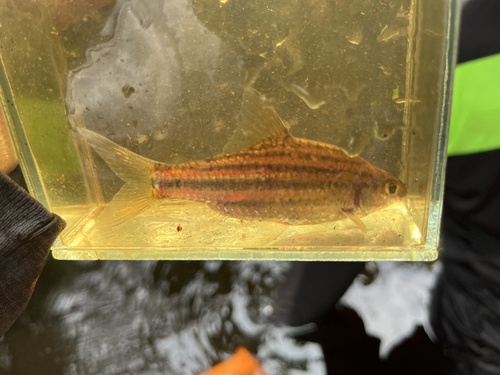
Panda Barb
Puntius fasciatus
Out of Stock
Scarce stock
Wild Caught
Moderate care
Not Reef Safe
SKU: 01-A-17-044-06
Discover the vibrant Panda Barb, a lively freshwater fish known for its striking appearance and social behavior.
Pricing for Verified Importers
Log in to see wholesale prices and order.
Export Size
up to 7.5 cm
Origin
Southeast Asia
Temperature
22.0–26.0°C
Min. Tank Size
80 L
pH
6.50–7.50
Diet
omnivore
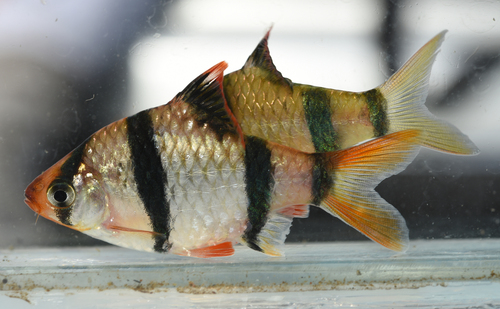
The Panda Barb (Puntius fasciatus) is a captivating freshwater species native to the rivers and streams of Southeast Asia, particularly Indonesia. This species is characterized by its bold black and white coloration, resembling that of a panda, which not only makes it visually appealing but also a popular choice among aquarium enthusiasts. The Panda Barb typically grows to a maximum length of about 7.5 cm (3 inches) and features a streamlined body shape with a forked tail, providing it with agility in swift waters.
In terms of behavior, Panda Barbs are known for their active and social nature. They thrive in groups, which is essential for their well-being and helps reduce stress in the aquarium environment. Their playful antics and schooling behavior can add a dynamic element to community tanks. In the wild, they inhabit shallow waters with plenty of vegetation and soft substrate, which provides both shelter and food sources.
The natural diet of Panda Barbs consists mainly of small invertebrates and plant matter. This omnivorous diet allows them to adapt well to various feeding regimes in captivity. When kept in a well-planted aquarium, they often forage for food among the plants and substrate, mimicking their natural behavior. Their adaptability and resilience make them an excellent choice for both novice and experienced aquarists looking to create a lively freshwater setup.
In terms of behavior, Panda Barbs are known for their active and social nature. They thrive in groups, which is essential for their well-being and helps reduce stress in the aquarium environment. Their playful antics and schooling behavior can add a dynamic element to community tanks. In the wild, they inhabit shallow waters with plenty of vegetation and soft substrate, which provides both shelter and food sources.
The natural diet of Panda Barbs consists mainly of small invertebrates and plant matter. This omnivorous diet allows them to adapt well to various feeding regimes in captivity. When kept in a well-planted aquarium, they often forage for food among the plants and substrate, mimicking their natural behavior. Their adaptability and resilience make them an excellent choice for both novice and experienced aquarists looking to create a lively freshwater setup.
To ensure the health and longevity of Panda Barbs, it is crucial to maintain stable water parameters. Ideal conditions include a temperature range of 22-26°C (72-79°F) and a pH level between 6.5 and 7.5. These fish prefer soft to moderately hard water, and a minimum tank size of 80 liters is recommended to provide ample swimming space and to accommodate their schooling behavior.
Feeding Panda Barbs is relatively straightforward, as they are omnivores. A varied diet including high-quality flake food, pellets, and occasional live or frozen foods such as daphnia or brine shrimp will keep them healthy and vibrant. It’s important to feed them small amounts multiple times a day to mimic their natural foraging behavior.
Compatibility is another key aspect of care. Panda Barbs are generally peaceful and can be kept with a variety of community fish. However, they should not be housed with overly aggressive species. Acclimation is essential when introducing them to a new tank; a slow drip acclimation method is recommended to minimize stress. Quarantine new arrivals for at least two weeks to prevent the introduction of diseases into the main aquarium.
Feeding Panda Barbs is relatively straightforward, as they are omnivores. A varied diet including high-quality flake food, pellets, and occasional live or frozen foods such as daphnia or brine shrimp will keep them healthy and vibrant. It’s important to feed them small amounts multiple times a day to mimic their natural foraging behavior.
Compatibility is another key aspect of care. Panda Barbs are generally peaceful and can be kept with a variety of community fish. However, they should not be housed with overly aggressive species. Acclimation is essential when introducing them to a new tank; a slow drip acclimation method is recommended to minimize stress. Quarantine new arrivals for at least two weeks to prevent the introduction of diseases into the main aquarium.
Panda Barbs are suitable for shipping due to their hardiness, but care must be taken to minimize stress during transit. A packing density of 1-2 fish per liter is ideal to ensure adequate space and oxygen. They are sensitive to temperature fluctuations; thus, maintaining a stable temperature of around 24°C (75°F) during shipping is crucial. As a non-CITES species, there are no specific regulations affecting their export, making them a viable option for international trade.
Species Parameters
Max Adult Size
7.5 cm
Origin
Southeast Asia
Diet
omnivore
Temp Min
22.0 °C
Temp Max
26.0 °C
pH Min
6.50
pH Max
7.50
Min Tank
80 L