Phoenix Barb
Spinibarbus denticulatus
In Stock
Common stock
Wild Caught
Moderate care
SKU: AQ-FW-0049
The Phoenix Barb is a vibrant, adaptable freshwater fish renowned for its striking colors and peaceful nature.
Pricing for Verified Importers
Log in to see wholesale prices and order.
Export Size
up to 10.0 cm
Origin
Southeast Asia
Temperature
9.0–30.0°C
Min. Tank Size
100 L
pH
6.50–7.50
Diet
omnivore
Spinibarbus denticulatus, commonly known as the Phoenix Barb, is a captivating freshwater fish native to various regions in Asia, particularly in China, Laos, and Vietnam. This species thrives in diverse habitats, including large rivers, deep pools of streams, and lakes, showcasing its adaptability to varying environmental conditions. With a broad temperature tolerance ranging from 9 to 30 °C (48–86 °F), the Phoenix Barb can be found in different freshwater systems, making it a versatile addition to any aquarium.
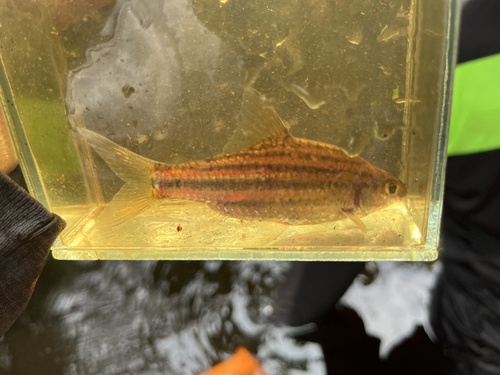
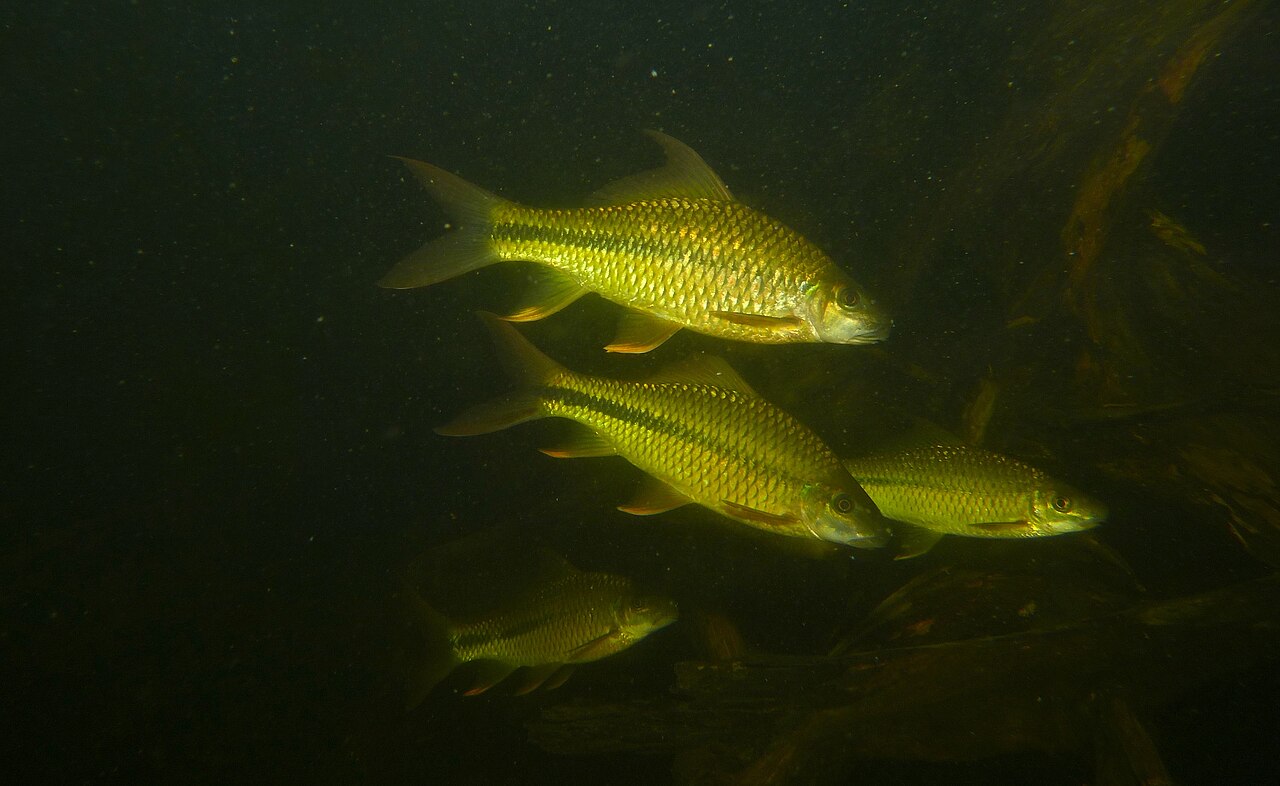
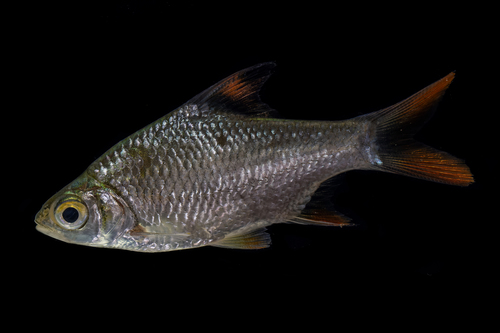
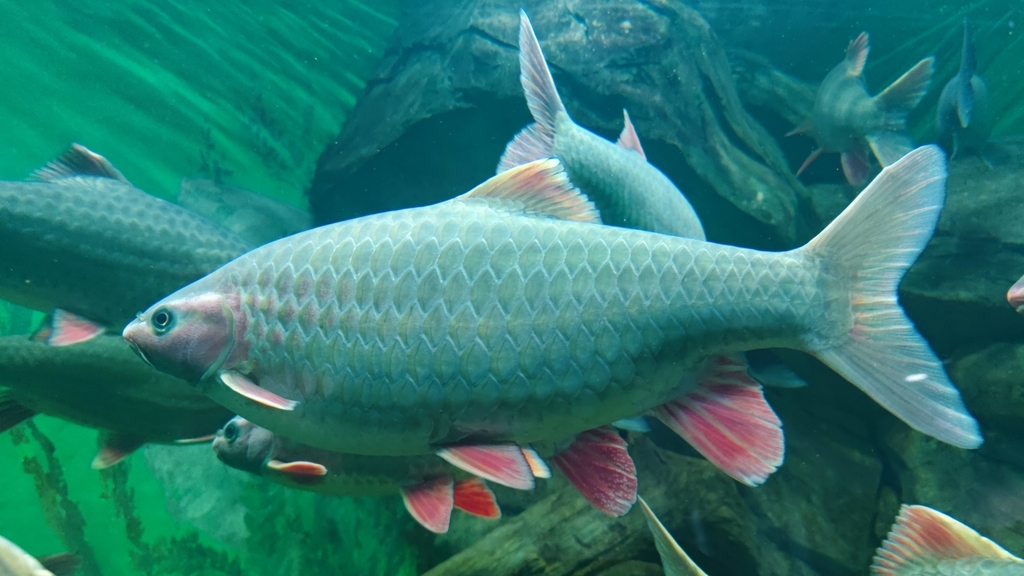
The Phoenix Barb exhibits a distinctive appearance characterized by its elongated body and vibrant coloration. The fish typically showcases a mix of bright orange, yellow, and black hues, which not only make them visually appealing but also add a lively dynamic to community tanks. Their peaceful demeanor allows them to coexist harmoniously with other species, making them an ideal choice for community aquariums. In the wild, these fish are often found in schools, which enhances their social behavior and overall well-being.
However, the Phoenix Barb faces challenges in the wild, as certain local populations have declined due to overfishing, habitat loss, and pollution. Despite these threats, the species remains significant in aquaculture and is often cultivated for food purposes. The Phoenix Barb's resilience and adaptability, paired with its striking appearance, make it a popular choice among aquarium enthusiasts and importers alike, ensuring its continued presence in the aquatic trade.
The Phoenix Barb exhibits a distinctive appearance characterized by its elongated body and vibrant coloration. The fish typically showcases a mix of bright orange, yellow, and black hues, which not only make them visually appealing but also add a lively dynamic to community tanks. Their peaceful demeanor allows them to coexist harmoniously with other species, making them an ideal choice for community aquariums. In the wild, these fish are often found in schools, which enhances their social behavior and overall well-being.
However, the Phoenix Barb faces challenges in the wild, as certain local populations have declined due to overfishing, habitat loss, and pollution. Despite these threats, the species remains significant in aquaculture and is often cultivated for food purposes. The Phoenix Barb's resilience and adaptability, paired with its striking appearance, make it a popular choice among aquarium enthusiasts and importers alike, ensuring its continued presence in the aquatic trade.
When caring for the Phoenix Barb, maintaining suitable water parameters is crucial for their health. Ideal conditions include a temperature range of 22 to 28 °C (72 to 82 °F) and a pH level between 6.5 and 7.5. Regular water changes and a well-maintained filtration system will help keep the water quality high. As a schooling species, it is recommended to keep them in groups of at least six to encourage natural behaviors and reduce stress.
Feeding the Phoenix Barb is straightforward, as they are omnivorous. A balanced diet consisting of high-quality flake food, pellets, and occasional live or frozen foods like brine shrimp or daphnia will ensure their nutritional needs are met. Compatibility is excellent, as they can be housed with a variety of peaceful species, such as tetras, rasboras, and other small barbs.
Acclimation should be done slowly to minimize stress; floating the sealed bag in the aquarium for about 15 minutes and gradually introducing tank water will help. Quarantine new arrivals for at least two weeks to prevent the introduction of diseases into the main tank. By following these guidelines, importers and retailers can ensure the health and vitality of the Phoenix Barb in their collections.
Feeding the Phoenix Barb is straightforward, as they are omnivorous. A balanced diet consisting of high-quality flake food, pellets, and occasional live or frozen foods like brine shrimp or daphnia will ensure their nutritional needs are met. Compatibility is excellent, as they can be housed with a variety of peaceful species, such as tetras, rasboras, and other small barbs.
Acclimation should be done slowly to minimize stress; floating the sealed bag in the aquarium for about 15 minutes and gradually introducing tank water will help. Quarantine new arrivals for at least two weeks to prevent the introduction of diseases into the main tank. By following these guidelines, importers and retailers can ensure the health and vitality of the Phoenix Barb in their collections.
The Phoenix Barb is suitable for shipping due to its hardy nature. Recommended packing density is around 1 fish per liter to reduce stress during transport. It is essential to maintain stable temperatures between 18 to 24 °C (64 to 75 °F) during shipping. This species is not listed under CITES, which simplifies export regulations.
Species Parameters
Max Adult Size
10.0 cm
Origin
Southeast Asia
Diet
omnivore
Temp Min
9.0 °C
Temp Max
30.0 °C
pH Min
6.50
pH Max
7.50
Min Tank
100 L