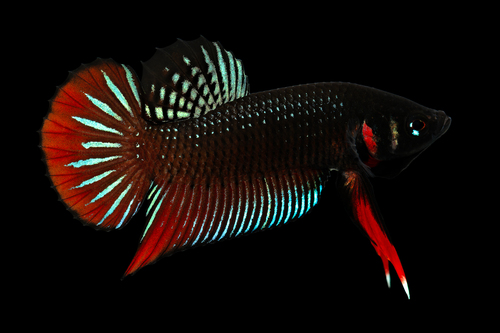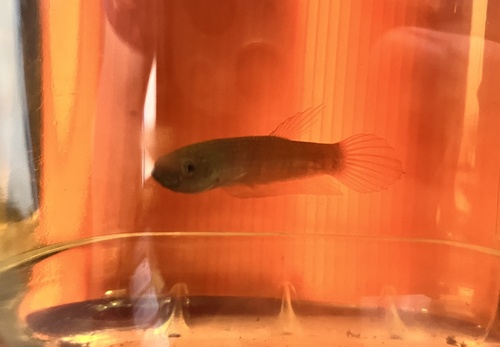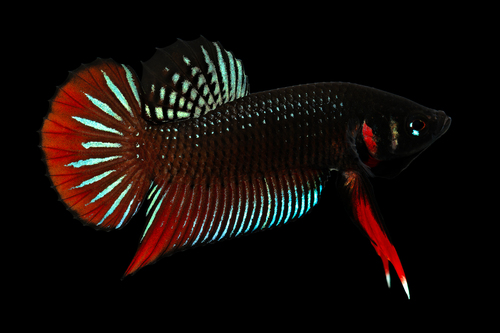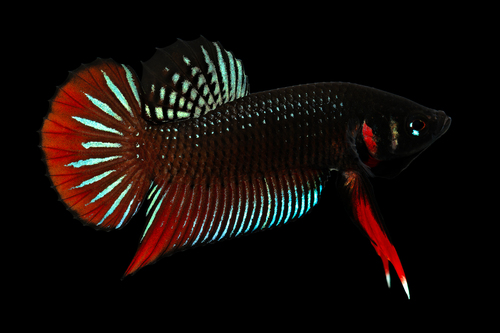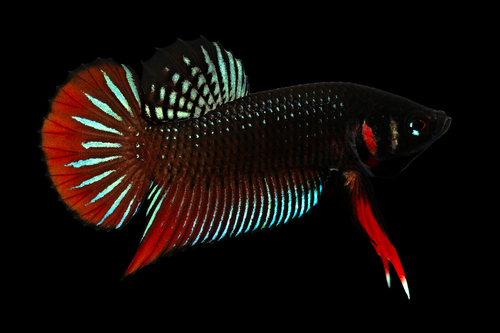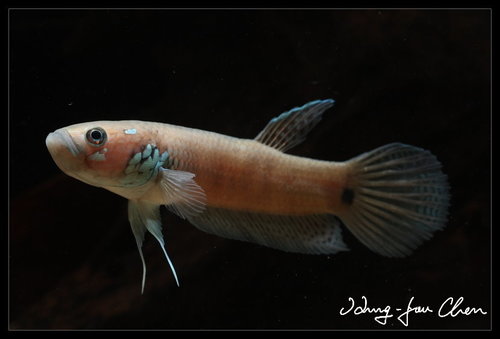
Betta Ocellata Female
Betta ocellata
In Stock
Common stock
Wild Caught
Moderate care
Not Reef Safe
SKU: 01-A-25-266-15
The Betta Ocellata Female stands out with its vibrant colors and unique mouthbrooding behavior.
Pricing for Verified Importers
Log in to see wholesale prices and order.
Export Size
up to 8.0 cm
Origin
Southeast Asia
Temperature
24.0–28.0°C
Min. Tank Size
60 L
pH
6.00–7.50
Diet
carnivore
Betta ocellata, commonly referred to as the eyespot mouthbrooder, is a captivating species of freshwater fish that hails from the lush environments of northeastern Borneo, specifically in Sabah and East Kalimantan, Malaysia and Indonesia. This species thrives in slow-flowing water bodies such as ravines and isolated pools, often found near floating leaves and submerged leaf litter, which provide essential cover and breeding grounds. Its natural habitat reflects the rich biodiversity of the region, making it a sought-after species for aquarists who appreciate biotope setups.
Visually, the Betta Ocellata Female exhibits a stunning array of colors, often showcasing iridescent scales that can range from vibrant blues to deep greens, complemented by striking patterns that help it blend into its natural surroundings. These fish can reach a maximum size of 8 cm (3.1 inches) in standard length. Known for their excellent jumping ability, they require careful tank setups to prevent escapes, making them an intriguing species for those looking to add a dynamic element to their aquariums.
Behaviorally, Betta ocellata is known for its unique mouthbrooding reproductive strategy. Females incubate fertilized eggs in their mouths until they are ready to be released as free-swimming fry. This fascinating behavior not only enhances the survival rate of the young but also makes observing their breeding process an exciting experience for aquarists. Additionally, these fish are primarily carnivorous, feeding on terrestrial insects and aquatic invertebrates, which contributes to their vibrant health and coloration.
In captivity, the Betta Ocellata Female can be a delightful addition to community tanks, provided that they are housed with compatible species. They thrive in environments that mimic their natural habitat, and understanding their needs is essential for successful care and breeding.
Visually, the Betta Ocellata Female exhibits a stunning array of colors, often showcasing iridescent scales that can range from vibrant blues to deep greens, complemented by striking patterns that help it blend into its natural surroundings. These fish can reach a maximum size of 8 cm (3.1 inches) in standard length. Known for their excellent jumping ability, they require careful tank setups to prevent escapes, making them an intriguing species for those looking to add a dynamic element to their aquariums.
Behaviorally, Betta ocellata is known for its unique mouthbrooding reproductive strategy. Females incubate fertilized eggs in their mouths until they are ready to be released as free-swimming fry. This fascinating behavior not only enhances the survival rate of the young but also makes observing their breeding process an exciting experience for aquarists. Additionally, these fish are primarily carnivorous, feeding on terrestrial insects and aquatic invertebrates, which contributes to their vibrant health and coloration.
In captivity, the Betta Ocellata Female can be a delightful addition to community tanks, provided that they are housed with compatible species. They thrive in environments that mimic their natural habitat, and understanding their needs is essential for successful care and breeding.
When caring for Betta Ocellata Females, it’s crucial to replicate their natural habitat as closely as possible. The ideal water parameters include a temperature range of 24-28°C, a pH level between 6.0 and 7.5, and a minimum tank size of 60 liters to accommodate their swimming and breeding behaviors. As facultative air-breathers, they require access to the water surface for optimal respiration, so tank design should include floating plants and ample surface area.
Feeding should consist of a varied diet of high-quality pellets, live or frozen foods such as brine shrimp and daphnia, to satisfy their carnivorous nature. Compatibility in community tanks should be approached with caution; while they can coexist with peaceful species, it's advisable to avoid aggressive tankmates that may stress them out or compete for food.
Acclimation processes should be gradual to reduce stress, ideally over several hours, to allow the fish to adjust to their new environment. Quarantine for at least two weeks before introducing them to the main tank can help prevent the spread of diseases and ensure their health and vitality.
Feeding should consist of a varied diet of high-quality pellets, live or frozen foods such as brine shrimp and daphnia, to satisfy their carnivorous nature. Compatibility in community tanks should be approached with caution; while they can coexist with peaceful species, it's advisable to avoid aggressive tankmates that may stress them out or compete for food.
Acclimation processes should be gradual to reduce stress, ideally over several hours, to allow the fish to adjust to their new environment. Quarantine for at least two weeks before introducing them to the main tank can help prevent the spread of diseases and ensure their health and vitality.
Betta Ocellata Females are suitable for shipping, provided proper care is taken to minimize stress. Packing density should allow for adequate space to prevent injury during transit. It's essential to maintain a stable temperature between 24-28°C throughout shipping to ensure their well-being. Currently, Betta ocellata is not listed under CITES, but compliance with local regulations is advised during export.
Species Parameters
Max Adult Size
8.0 cm
Origin
Southeast Asia
Diet
carnivore
Temp Min
24.0 °C
Temp Max
28.0 °C
pH Min
6.00
pH Max
7.50
Min Tank
60 L