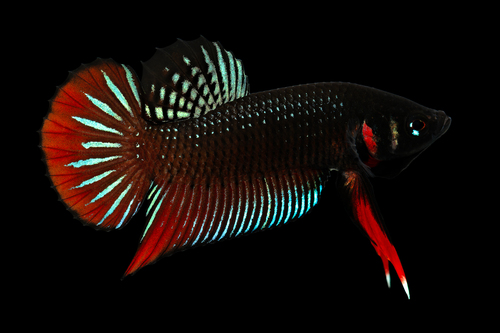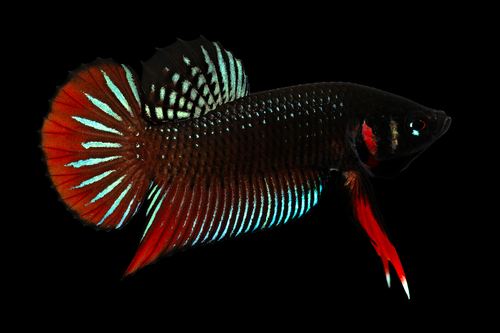
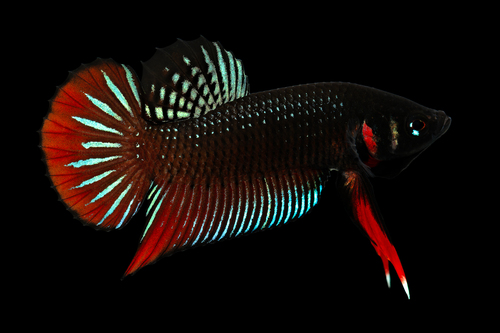
Betta Rosetail Mustard Gas
Betta splendens
In Stock
Common stock
Wild Caught
Moderate care
Not Reef Safe
SKU: 01-A-25-056-07
The Betta Rosetail Mustard Gas is a stunning freshwater fish known for its vibrant colors and elegant fins.
Pricing for Verified Importers
Log in to see wholesale prices and order.
Export Size
up to 7.0 cm
Origin
Southeast Asia
Temperature
24.0–28.0°C
Min. Tank Size
20 L
pH
6.50–7.50
Diet
carnivore
Betta Rosetail Mustard Gas (Betta splendens) is a captivating freshwater fish, known for its extraordinary coloration and unique fin structure. This variant displays a striking combination of yellow and blue hues, creating a visually appealing contrast that makes it a favorite among aquarium enthusiasts. Originating from the warm waters of Southeast Asia, including countries such as Thailand and Vietnam, this species has been selectively bred for its stunning appearance and gentle demeanor, making it a sought-after addition in both home aquariums and commercial settings.
In terms of natural history, Betta splendens are known for their territorial behavior, especially in males, which can often lead to aggressive interactions if not housed properly. They thrive in shallow waters, typically found in rice paddies, swamps, and slow-moving streams. Their natural habitat is characterized by dense vegetation, providing them with hiding spots and breeding grounds. The Betta Rosetail Mustard Gas variant inherits the traditional betta's resilience while showcasing a fascinating array of colors and fin shapes, making it a true gem for collectors and retailers alike.
Behaviorally, these fish are known to be curious and interactive, often recognizing their owners and responding to feeding times. They are less aggressive than some other betta variants, which allows for more flexible tank mates, provided they are not overly aggressive themselves. The rosetail variety features a distinctive tail shape that resembles a flower, adding elegance to their swimming motions. This makes them not only popular for their beauty but also for their engaging personalities.
When considering the habitat needs of Betta Rosetail Mustard Gas, it's essential to replicate their natural conditions as closely as possible. They prefer warm temperatures and slightly acidic to neutral pH levels, which can be managed easily in a home aquarium setup. With proper care, these fish can live up to three years or more, providing long-term enjoyment for aquarium keepers.
In terms of natural history, Betta splendens are known for their territorial behavior, especially in males, which can often lead to aggressive interactions if not housed properly. They thrive in shallow waters, typically found in rice paddies, swamps, and slow-moving streams. Their natural habitat is characterized by dense vegetation, providing them with hiding spots and breeding grounds. The Betta Rosetail Mustard Gas variant inherits the traditional betta's resilience while showcasing a fascinating array of colors and fin shapes, making it a true gem for collectors and retailers alike.
Behaviorally, these fish are known to be curious and interactive, often recognizing their owners and responding to feeding times. They are less aggressive than some other betta variants, which allows for more flexible tank mates, provided they are not overly aggressive themselves. The rosetail variety features a distinctive tail shape that resembles a flower, adding elegance to their swimming motions. This makes them not only popular for their beauty but also for their engaging personalities.
When considering the habitat needs of Betta Rosetail Mustard Gas, it's essential to replicate their natural conditions as closely as possible. They prefer warm temperatures and slightly acidic to neutral pH levels, which can be managed easily in a home aquarium setup. With proper care, these fish can live up to three years or more, providing long-term enjoyment for aquarium keepers.
To ensure the health and vitality of Betta Rosetail Mustard Gas, maintain water temperatures between 24°C to 28°C (75°F to 82°F). The ideal pH range is between 6.5 and 7.5, providing slightly acidic to neutral conditions. A minimum tank size of 20 liters is recommended, as this allows for adequate swimming space and territory establishment. Bettas are carnivorous and thrive on a diet of high-quality pellets, freeze-dried foods, and occasional live foods such as brine shrimp or bloodworms to enhance their color and vitality.
In terms of compatibility, while these bettas can be kept with other peaceful species, it’s important to avoid housing them with fin-nipping fish or aggressive tank mates. When introducing new fish to an aquarium, acclimation should be done gradually over a few hours to minimize stress, preferably using the drip acclimation method. Quarantine is also recommended for new arrivals to prevent the spread of disease to your main tank.
Regular water changes (about 25% weekly) will help maintain water quality and overall fish health. Monitor for signs of stress or illness, such as changes in behavior or appearance, to ensure prompt intervention when necessary. With proper care, Betta Rosetail Mustard Gas can thrive and bring vibrant life to any aquarium.
In terms of compatibility, while these bettas can be kept with other peaceful species, it’s important to avoid housing them with fin-nipping fish or aggressive tank mates. When introducing new fish to an aquarium, acclimation should be done gradually over a few hours to minimize stress, preferably using the drip acclimation method. Quarantine is also recommended for new arrivals to prevent the spread of disease to your main tank.
Regular water changes (about 25% weekly) will help maintain water quality and overall fish health. Monitor for signs of stress or illness, such as changes in behavior or appearance, to ensure prompt intervention when necessary. With proper care, Betta Rosetail Mustard Gas can thrive and bring vibrant life to any aquarium.
Betta Rosetail Mustard Gas is well-suited for shipping, provided appropriate care is taken. Fish should be packed in insulated bags with sufficient oxygen and water to accommodate their needs during transit. Ideal shipping temperatures should be maintained between 24°C to 28°C to prevent temperature shock. We recommend a packing density of one fish per liter to ensure their comfort. This species is not listed under CITES, making it easier to manage export compliance.
Species Parameters
Max Adult Size
7.0 cm
Origin
Southeast Asia
Diet
carnivore
Temp Min
24.0 °C
Temp Max
28.0 °C
pH Min
6.50
pH Max
7.50
Min Tank
20 L