
Father Strohs Mouthbrooder
Betta Strohi
Limited
Occasional stock
Wild Caught
Moderate care
Not Reef Safe
SKU: 01-A-25-025-15
Discover the unique charm of the Father Strohs Mouthbrooder, a captivating freshwater fish known for its vibrant colors and fascinating breeding behavior.
Pricing for Verified Importers
Log in to see wholesale prices and order.
Export Size
up to 8.0 cm
Origin
Southeast Asia
Temperature
24.0–28.0°C
Min. Tank Size
60 L
pH
6.50–7.50
Diet
omnivore
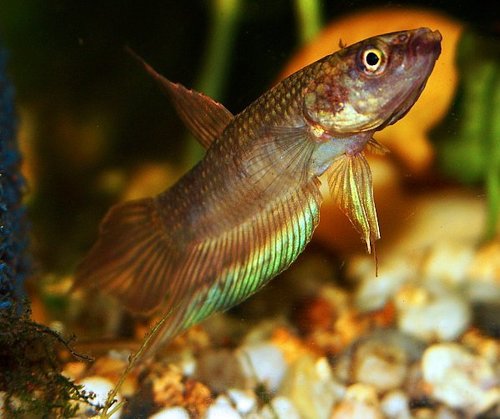
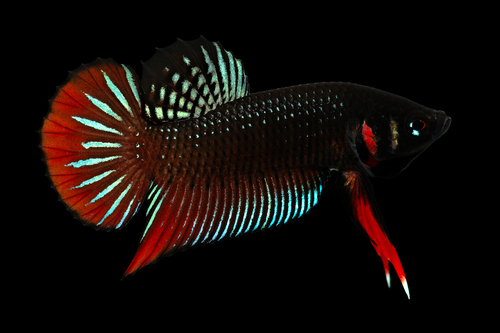
The Father Strohs Mouthbrooder (Betta Strohi) is a remarkable species native to the freshwater rivers and swamps of Southeast Asia, particularly in Indonesia. This fish is celebrated for its unique reproductive strategy, where the male incubates the eggs in his mouth, showcasing a rare parental care behavior in the animal kingdom. Their vibrant colors and intricate patterns make them a favorite among aquarists, enhancing the beauty of any aquarium setup.
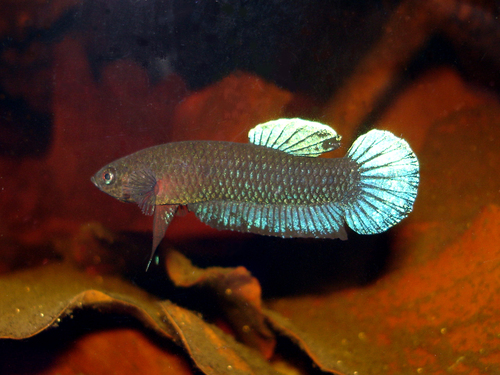
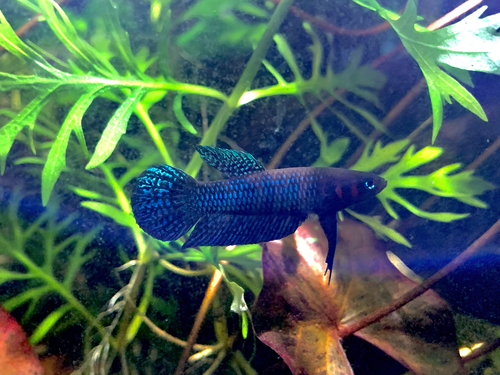
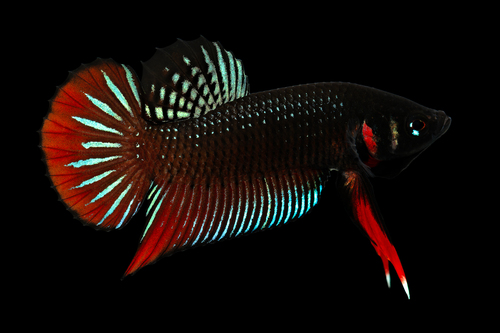
In terms of appearance, Betta Strohi are characterized by their elongated bodies and striking fins, which can display a range of colors, including blues, greens, and reds. Males tend to be more vibrant than females, often exhibiting more pronounced fin extensions and coloration. This species typically reaches a maximum size of approximately 8 cm, making it suitable for smaller aquariums or community setups with compatible species.
Behaviorally, the Father Strohs Mouthbrooder is relatively peaceful but can display territorial tendencies, especially during the breeding season. Males may exhibit aggressive posturing towards one another, so care should be taken when housing multiple males together. Their natural habitat includes slow-moving waters with plenty of vegetation, providing them ample cover and foraging opportunities. These fish thrive in well-planted tanks that mimic their natural environment.
To maintain their health and well-being, it is crucial to replicate their natural habitat as closely as possible, offering a balanced environment that promotes natural behaviors. Observing their breeding rituals can be a fascinating experience, as the males will diligently care for the young once they are released from their mouths, creating a captivating dynamic in the aquarium.
In terms of appearance, Betta Strohi are characterized by their elongated bodies and striking fins, which can display a range of colors, including blues, greens, and reds. Males tend to be more vibrant than females, often exhibiting more pronounced fin extensions and coloration. This species typically reaches a maximum size of approximately 8 cm, making it suitable for smaller aquariums or community setups with compatible species.
Behaviorally, the Father Strohs Mouthbrooder is relatively peaceful but can display territorial tendencies, especially during the breeding season. Males may exhibit aggressive posturing towards one another, so care should be taken when housing multiple males together. Their natural habitat includes slow-moving waters with plenty of vegetation, providing them ample cover and foraging opportunities. These fish thrive in well-planted tanks that mimic their natural environment.
To maintain their health and well-being, it is crucial to replicate their natural habitat as closely as possible, offering a balanced environment that promotes natural behaviors. Observing their breeding rituals can be a fascinating experience, as the males will diligently care for the young once they are released from their mouths, creating a captivating dynamic in the aquarium.
When caring for the Father Strohs Mouthbrooder, it is essential to maintain optimal water parameters. Ideal temperatures should range between 24°C to 28°C, with a pH level between 6.5 and 7.5. Regular water changes and filtration are crucial to ensure high water quality, as these fish are sensitive to fluctuations in their environment.
Feeding Betta Strohi involves a varied diet that includes high-quality pellets, freeze-dried foods, and live or frozen options such as brine shrimp and daphnia. This species is omnivorous, requiring a balanced diet to thrive. Compatibility is generally good with other peaceful species, but caution should be exercised when introducing multiple males into the same aquarium to prevent aggression.
Acclimation is crucial when introducing them to a new tank. A slow drip acclimation method is recommended to help them adjust to new water conditions. Quarantine new arrivals for at least two weeks to monitor for any signs of illness before introducing them to the main tank. This practice helps prevent the spread of diseases and ensures the health of your entire aquarium community.
Feeding Betta Strohi involves a varied diet that includes high-quality pellets, freeze-dried foods, and live or frozen options such as brine shrimp and daphnia. This species is omnivorous, requiring a balanced diet to thrive. Compatibility is generally good with other peaceful species, but caution should be exercised when introducing multiple males into the same aquarium to prevent aggression.
Acclimation is crucial when introducing them to a new tank. A slow drip acclimation method is recommended to help them adjust to new water conditions. Quarantine new arrivals for at least two weeks to monitor for any signs of illness before introducing them to the main tank. This practice helps prevent the spread of diseases and ensures the health of your entire aquarium community.
The Father Strohs Mouthbrooder is suitable for shipping under optimal conditions. It is advisable to pack them in insulated bags with oxygen to maintain water quality during transit. A shipping density of 1-2 fish per liter is recommended to minimize stress. They are sensitive to temperature fluctuations, so maintaining a stable range of 24°C to 28°C during transport is essential. Currently, there is no CITES status applicable to this species.
Species Parameters
Max Adult Size
8.0 cm
Origin
Southeast Asia
Diet
omnivore
Temp Min
24.0 °C
Temp Max
28.0 °C
pH Min
6.50
pH Max
7.50
Min Tank
60 L