Polypterus Lapradei
Polypterus lapradei
In Stock
Common stock
Wild Caught
Moderate care
Not Reef Safe
SKU: 01-A-30-010-05
Discover the unique Polypterus Lapradei, a fascinating freshwater species from Africa.
Pricing for Verified Importers
Log in to see wholesale prices and order.
Export Size
up to 45.0 cm
Origin
West Africa
Temperature
24.0–28.0°C
Min. Tank Size
200 L
pH
6.50–7.50
Diet
carnivore
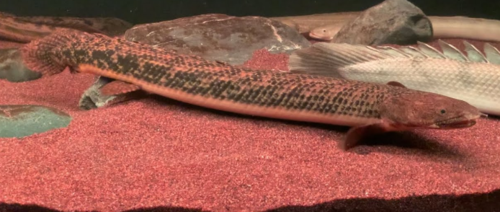
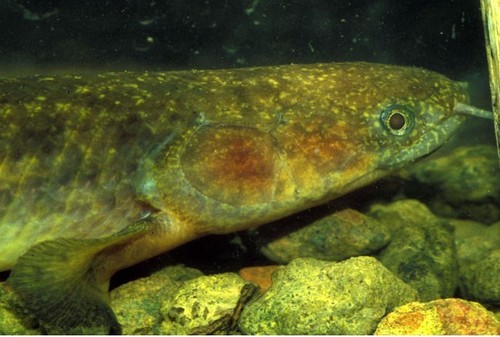
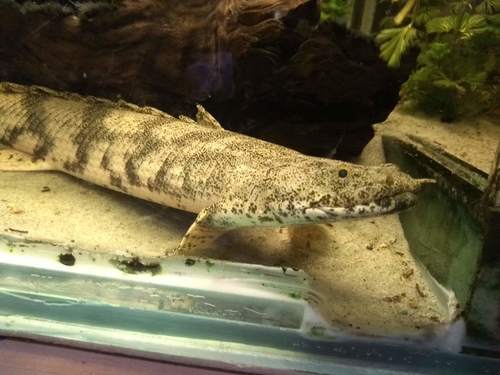
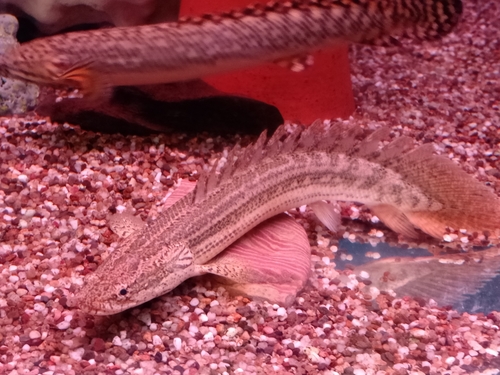
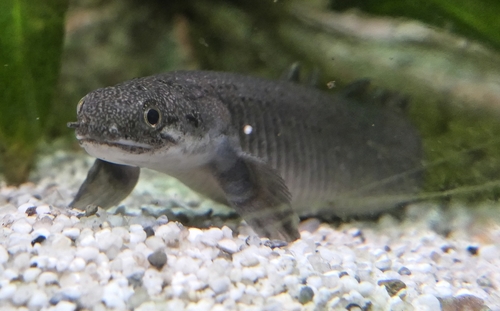
Polypterus Lapradei, commonly known as the Senegal Bichir, is a captivating freshwater fish native to the rivers and swamps of West Africa. This species belongs to the family Polypteridae, which is known for its ancient lineage and distinctive appearance. Characterized by its elongated, eel-like body and armored scales, the Senegal Bichir exhibits a unique blend of primitive and modern traits, making it a subject of interest for both aquarists and researchers alike.
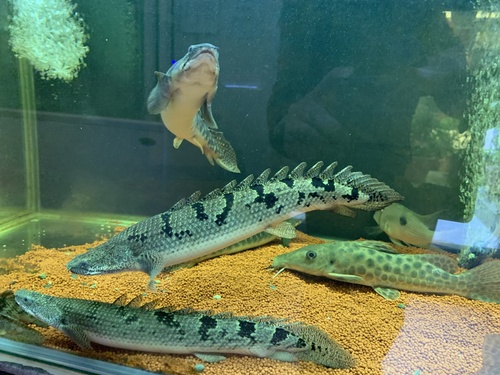
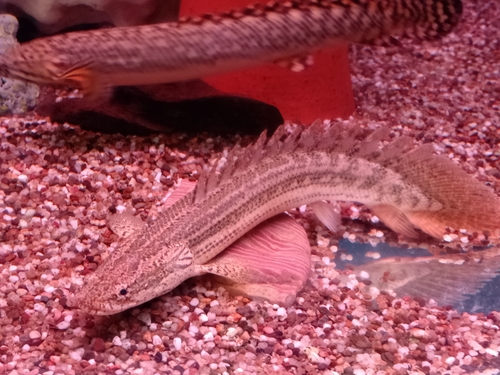
In terms of appearance, Polypterus Lapradei can reach lengths of up to 45 cm (approximately 18 inches). It has a series of dorsal finlets that run along its back, giving it a unique profile. The coloration typically features a mix of greens and browns, allowing it to blend into its natural habitat. This species also possesses a set of paired pectoral and pelvic fins, which are used for maneuvering through its aquatic environment, and a highly developed swim bladder that enables it to breathe air, an adaptation that is crucial for survival in low-oxygen waters.
Behaviorally, Polypterus Lapradei is known to be a relatively solitary and territorial species, often preferring to inhabit dense vegetation and submerged structures. It is primarily nocturnal, becoming more active during the night when it hunts for prey. Its diet consists mainly of smaller fish, invertebrates, and other protein-rich foods, making it a carnivorous species that requires a varied diet in captivity.
The natural habitat of Polypterus Lapradei includes slow-moving rivers, swamps, and marshes with plenty of cover. These environments provide essential hiding spots and breeding grounds. Conservation efforts are vital as habitat destruction poses a threat to their populations, making responsible sourcing and trade practices critical for the sustainability of this unique species.
In terms of appearance, Polypterus Lapradei can reach lengths of up to 45 cm (approximately 18 inches). It has a series of dorsal finlets that run along its back, giving it a unique profile. The coloration typically features a mix of greens and browns, allowing it to blend into its natural habitat. This species also possesses a set of paired pectoral and pelvic fins, which are used for maneuvering through its aquatic environment, and a highly developed swim bladder that enables it to breathe air, an adaptation that is crucial for survival in low-oxygen waters.
Behaviorally, Polypterus Lapradei is known to be a relatively solitary and territorial species, often preferring to inhabit dense vegetation and submerged structures. It is primarily nocturnal, becoming more active during the night when it hunts for prey. Its diet consists mainly of smaller fish, invertebrates, and other protein-rich foods, making it a carnivorous species that requires a varied diet in captivity.
The natural habitat of Polypterus Lapradei includes slow-moving rivers, swamps, and marshes with plenty of cover. These environments provide essential hiding spots and breeding grounds. Conservation efforts are vital as habitat destruction poses a threat to their populations, making responsible sourcing and trade practices critical for the sustainability of this unique species.
When caring for Polypterus Lapradei, it is important to maintain optimal water parameters to ensure their health and longevity. The recommended temperature range is between 24°C and 28°C, with a pH of 6.5 to 7.5. A minimum tank size of 200 liters is advised to provide ample swimming space and hiding spots, as these fish can grow quite large.
Feeding should include a varied diet of high-quality pellets, frozen or live foods such as bloodworms, shrimp, and small fish. It’s important to avoid overfeeding, as excess food can lead to water quality issues. Compatibility should be considered; while they can coexist with larger, non-aggressive species, it is advisable to avoid smaller or more timid fish that may be seen as prey.
Acclimation is crucial when introducing Polypterus Lapradei to a new environment. A slow acclimation process over several hours is recommended to minimize stress. Quarantine new arrivals for a minimum of two weeks to monitor for any signs of disease before adding them to the main tank. Regular water changes and monitoring of water quality will help maintain a healthy environment for these unique fish.
Feeding should include a varied diet of high-quality pellets, frozen or live foods such as bloodworms, shrimp, and small fish. It’s important to avoid overfeeding, as excess food can lead to water quality issues. Compatibility should be considered; while they can coexist with larger, non-aggressive species, it is advisable to avoid smaller or more timid fish that may be seen as prey.
Acclimation is crucial when introducing Polypterus Lapradei to a new environment. A slow acclimation process over several hours is recommended to minimize stress. Quarantine new arrivals for a minimum of two weeks to monitor for any signs of disease before adding them to the main tank. Regular water changes and monitoring of water quality will help maintain a healthy environment for these unique fish.
Polypterus Lapradei is suitable for air shipping. It is recommended to pack them in appropriately sized bags with sufficient water to accommodate their size. Maintaining a stable temperature between 24°C and 28°C during transit is essential to minimize stress. With appropriate care, they can endure shipping for several days. CITES status is not applicable as this species is not listed.
Species Parameters
Max Adult Size
45.0 cm
Origin
West Africa
Diet
carnivore
Temp Min
24.0 °C
Temp Max
28.0 °C
pH Min
6.50
pH Max
7.50
Min Tank
200 L