Marbled Bichir
Polypterus palmas
Out of Stock
Scarce stock
Wild Caught
Experienced care
Not Reef Safe
SKU: 01-A-30-016-05
The Marbled Bichir is a unique freshwater fish known for its striking patterns and ancient lineage.
Pricing for Verified Importers
Log in to see wholesale prices and order.
Export Size
up to 60.0 cm
Origin
West Africa
Temperature
24.0–28.0°C
Min. Tank Size
200 L
pH
6.50–7.50
Diet
carnivore
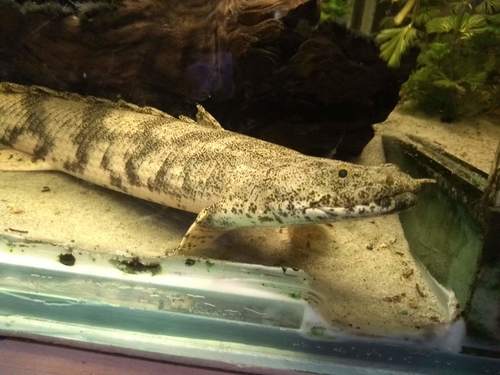
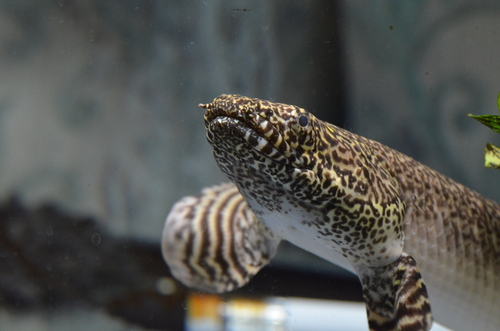
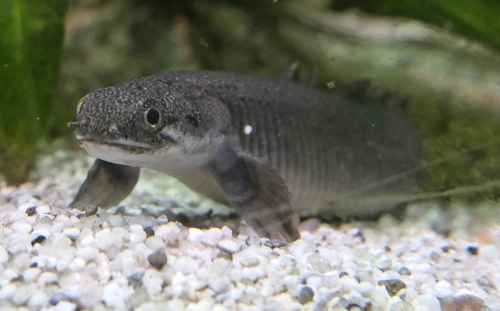
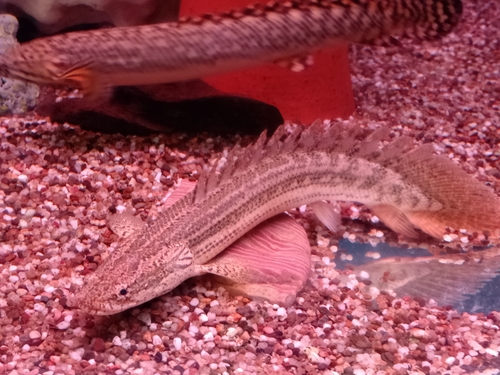
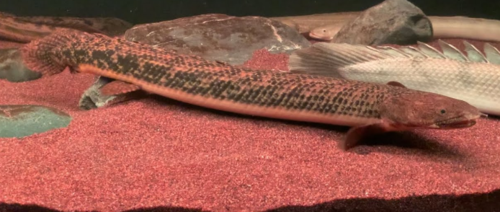
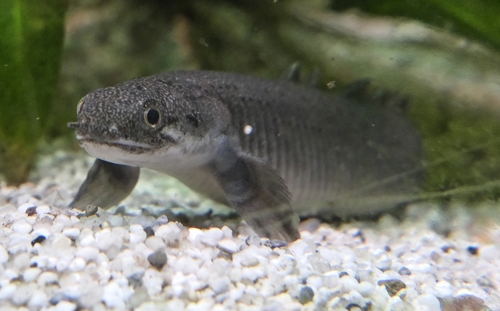
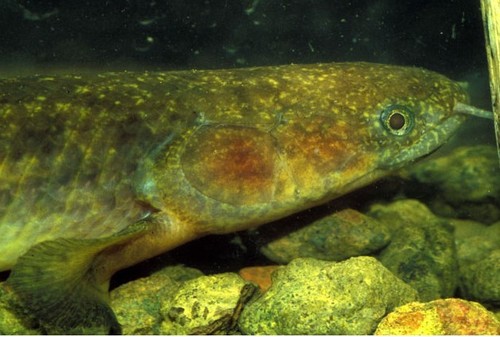
Polypterus palmas, commonly known as the Marbled Bichir, is a captivating fish native to the freshwater systems of West Africa. This species belongs to the family Polypteridae and is distinguished by its elongated body, which can reach lengths of up to 60 cm. The marbled patterns on its scales are not only visually stunning, but they also serve as a camouflage in its natural habitat. The bichir's body is covered in thick, bony plates rather than typical fish scales, giving it a prehistoric appearance that reflects its ancient lineage.
In terms of behavior, the Marbled Bichir is a nocturnal predator that thrives in murky waters, often lying in wait among submerged vegetation. It is equipped with both gills and a modified swim bladder that allows it to breathe air, enabling it to survive in low-oxygen environments. This adaptability makes it a fascinating species to observe, as it often ventures to the surface to gulp air.
The Marbled Bichir inhabits slow-moving rivers, swamps, and lakes, where it prefers areas with ample hiding spots. It is a solitary fish, typically found at the bottom of its aquatic environment, where it hunts for smaller fish and invertebrates. Due to its unique adaptations and behaviors, the Marbled Bichir is of significant interest to both aquarists and researchers.
In captivity, the Marbled Bichir can thrive if provided with a suitable environment that mimics its natural habitat. Proper tank setup is essential for its well-being, along with a diet that replicates its natural feeding habits.
In terms of behavior, the Marbled Bichir is a nocturnal predator that thrives in murky waters, often lying in wait among submerged vegetation. It is equipped with both gills and a modified swim bladder that allows it to breathe air, enabling it to survive in low-oxygen environments. This adaptability makes it a fascinating species to observe, as it often ventures to the surface to gulp air.
The Marbled Bichir inhabits slow-moving rivers, swamps, and lakes, where it prefers areas with ample hiding spots. It is a solitary fish, typically found at the bottom of its aquatic environment, where it hunts for smaller fish and invertebrates. Due to its unique adaptations and behaviors, the Marbled Bichir is of significant interest to both aquarists and researchers.
In captivity, the Marbled Bichir can thrive if provided with a suitable environment that mimics its natural habitat. Proper tank setup is essential for its well-being, along with a diet that replicates its natural feeding habits.
To ensure the well-being of Marbled Bichirs, it is important to maintain optimal water parameters. A temperature range of 24-28°C is preferred, with a pH level between 6.5 and 7.5. The tank should be spacious, with a minimum size of 200 liters to accommodate its growth and swimming needs. Filtration should be strong but not overly aggressive, as this species enjoys calm waters.
Feeding the Marbled Bichir requires a varied diet that includes high-quality pellets, live or frozen foods such as bloodworms, and small fish. Regular feeding schedules should be established to mimic its natural hunting patterns. Compatibility with other species can be challenging; it is best kept with larger fish that are not overly aggressive, as the bichir can sometimes exhibit territorial behavior.
Acclimation should be gradual to reduce stress; floating the sealed bag in the tank and slowly mixing tank water into the bag is recommended. A quarantine period of at least two weeks is also advisable for new arrivals to monitor for any signs of disease before introducing them to the main aquarium.
Feeding the Marbled Bichir requires a varied diet that includes high-quality pellets, live or frozen foods such as bloodworms, and small fish. Regular feeding schedules should be established to mimic its natural hunting patterns. Compatibility with other species can be challenging; it is best kept with larger fish that are not overly aggressive, as the bichir can sometimes exhibit territorial behavior.
Acclimation should be gradual to reduce stress; floating the sealed bag in the tank and slowly mixing tank water into the bag is recommended. A quarantine period of at least two weeks is also advisable for new arrivals to monitor for any signs of disease before introducing them to the main aquarium.
The Marbled Bichir is suitable for shipping, provided that proper protocols are followed. Packing density should allow for adequate space to minimize stress during transport. It is sensitive to temperature fluctuations, so maintaining a stable temperature between 24-28°C during shipping is crucial. This species is not listed under CITES, simplifying export regulations.
Species Parameters
Max Adult Size
60.0 cm
Origin
West Africa
Diet
carnivore
Temp Min
24.0 °C
Temp Max
28.0 °C
pH Min
6.50
pH Max
7.50
Min Tank
200 L