Twin Spot Puffer Fish
Tetraodon leiurus
Out of Stock
Scarce stock
Wild Caught
Moderate care
Not Reef Safe
SKU: 01-A-33-003-03
The Twin Spot Puffer Fish is a captivating freshwater species known for its unique appearance and quirky behavior.
Pricing for Verified Importers
Log in to see wholesale prices and order.
Export Size
up to 15.0 cm
Origin
Southeast Asia
Temperature
24.0–28.0°C
Min. Tank Size
150 L
pH
6.50–8.00
Diet
omnivore
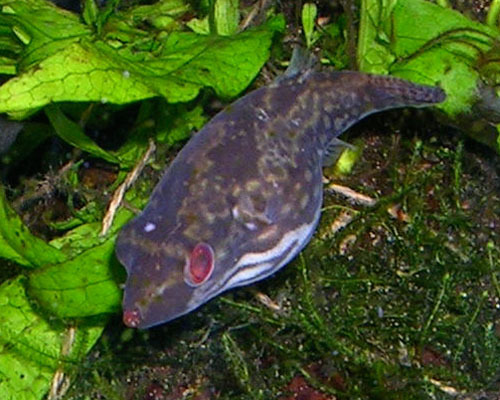
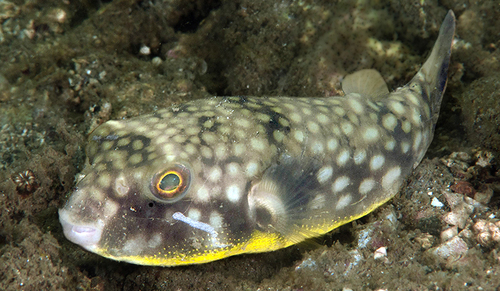
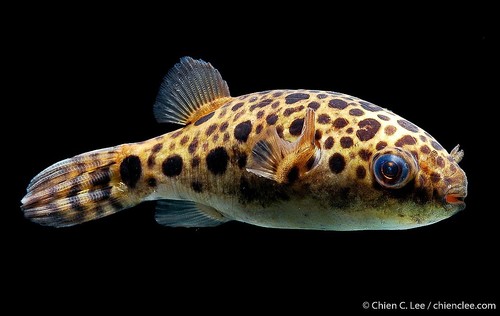
The Twin Spot Puffer Fish (Tetraodon leiurus) is a fascinating species native to the freshwater environments of Southeast Asia. This puffer fish is characterized by its distinctive body shape, adorned with two prominent spots on either side, which serve as a warning to potential predators. Its vibrant coloration ranges from olive green to brown, providing excellent camouflage among aquatic vegetation. As a member of the Tetraodontidae family, this fish possesses a unique ability to inflate its body as a defense mechanism, making it a striking yet intriguing addition to any aquarium.
In the wild, Twin Spot Puffers inhabit rivers, lakes, and swamps, often found among dense vegetation where they can forage for food. They are primarily herbivorous but will also consume small invertebrates, making them opportunistic feeders. Their natural habitat is typically rich in plant life, providing shelter and foraging opportunities. This species is known for its playful behavior, often darting around the tank and interacting with its environment, which adds to its appeal for aquarium enthusiasts.
Socially, the Twin Spot Puffer can exhibit territorial behavior, especially during breeding seasons or when kept in confined spaces. They thrive best when housed alone or with other non-aggressive species, as they may nip at the fins of slower-moving fish. Understanding their behavioral tendencies is crucial in creating a harmonious aquarium environment, ensuring that both the puffer and its tank mates can coexist peacefully.
Overall, the Twin Spot Puffer Fish is a unique addition to the aquatic trade, captivating both novice and seasoned aquarists with its charm and personality. Proper care and understanding of their natural behaviors can lead to a rewarding experience for both the fish and its keeper.
In the wild, Twin Spot Puffers inhabit rivers, lakes, and swamps, often found among dense vegetation where they can forage for food. They are primarily herbivorous but will also consume small invertebrates, making them opportunistic feeders. Their natural habitat is typically rich in plant life, providing shelter and foraging opportunities. This species is known for its playful behavior, often darting around the tank and interacting with its environment, which adds to its appeal for aquarium enthusiasts.
Socially, the Twin Spot Puffer can exhibit territorial behavior, especially during breeding seasons or when kept in confined spaces. They thrive best when housed alone or with other non-aggressive species, as they may nip at the fins of slower-moving fish. Understanding their behavioral tendencies is crucial in creating a harmonious aquarium environment, ensuring that both the puffer and its tank mates can coexist peacefully.
Overall, the Twin Spot Puffer Fish is a unique addition to the aquatic trade, captivating both novice and seasoned aquarists with its charm and personality. Proper care and understanding of their natural behaviors can lead to a rewarding experience for both the fish and its keeper.
When caring for Twin Spot Puffer Fish, it's essential to maintain specific water parameters for their health and well-being. Ideal water temperatures should range between 24°C and 28°C, with a pH level maintained between 6.5 and 8.0. Regular water changes and good filtration are necessary to keep the habitat clean, as these fish are sensitive to poor water quality.
Feeding should consist of a varied diet, including high-quality pellets, frozen or live foods like brine shrimp, and plenty of plant matter such as blanched vegetables. This balanced diet will ensure proper nutrition and prevent health issues. It's important to avoid overfeeding, as Twin Spot Puffers can be prone to obesity.
In terms of compatibility, these fish are best kept in a species-only tank or with other robust species that can tolerate their occasionally aggressive nature. Acclimation should be done gradually to reduce stress, ideally using the drip acclimation method. Quarantine new arrivals for at least two weeks to monitor for any signs of disease before introducing them to the main tank, ensuring a healthy environment for all inhabitants.
Feeding should consist of a varied diet, including high-quality pellets, frozen or live foods like brine shrimp, and plenty of plant matter such as blanched vegetables. This balanced diet will ensure proper nutrition and prevent health issues. It's important to avoid overfeeding, as Twin Spot Puffers can be prone to obesity.
In terms of compatibility, these fish are best kept in a species-only tank or with other robust species that can tolerate their occasionally aggressive nature. Acclimation should be done gradually to reduce stress, ideally using the drip acclimation method. Quarantine new arrivals for at least two weeks to monitor for any signs of disease before introducing them to the main tank, ensuring a healthy environment for all inhabitants.
Twin Spot Puffer Fish are suitable for shipping under controlled conditions. When packing, a density of 1-2 fish per liter is recommended to minimize stress during transit. They are sensitive to temperature fluctuations, so maintaining a stable temperature between 24°C and 28°C during shipping is crucial. Ensure that the fish are packed securely with adequate oxygen supply. This species is not currently listed under CITES, simplifying the export process.
Species Parameters
Max Adult Size
15.0 cm
Origin
Southeast Asia
Diet
omnivore
Temp Min
24.0 °C
Temp Max
28.0 °C
pH Min
6.50
pH Max
8.00
Min Tank
150 L