Long-nosed corydoras
Corydoras septentrionalis
Out of Stock
Scarce stock
Wild Caught
Easy care
Not Reef Safe
SKU: 01-A-07-049-04
Discover the Long-nosed corydoras, a unique freshwater fish from South America.
Pricing for Verified Importers
Log in to see wholesale prices and order.
Export Size
up to 6.0 cm
Origin
Amazon Basin
Temperature
22.0–26.0°C
Min. Tank Size
80 L
pH
6.00–7.50
Diet
omnivore
Corydoras septentrionalis, commonly known as the Long-nosed corydoras, is a captivating species of freshwater ray-finned fish belonging to the Corydoradinae subfamily. This species is primarily found in the Orinoco River basin, which spans regions of Colombia and Venezuela. It thrives in the slow-moving waters of this biodiverse area, where it is often spotted among sandy substrates and leaf litter, showcasing its natural habitat's rich ecological characteristics.
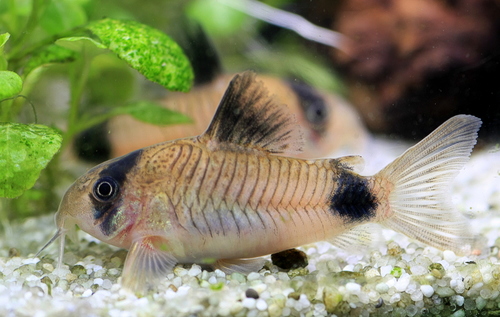
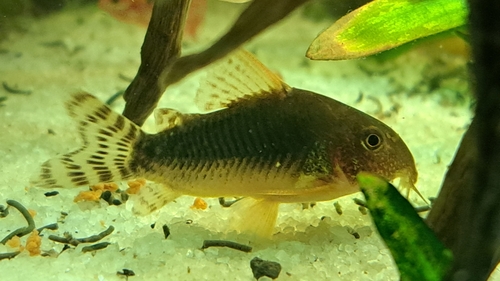
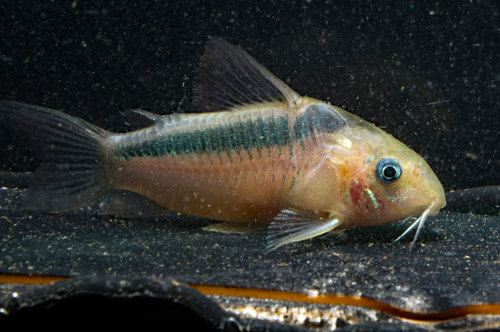
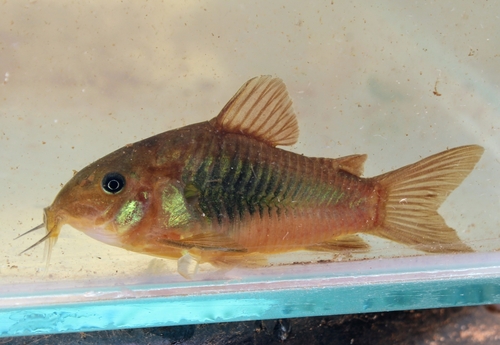
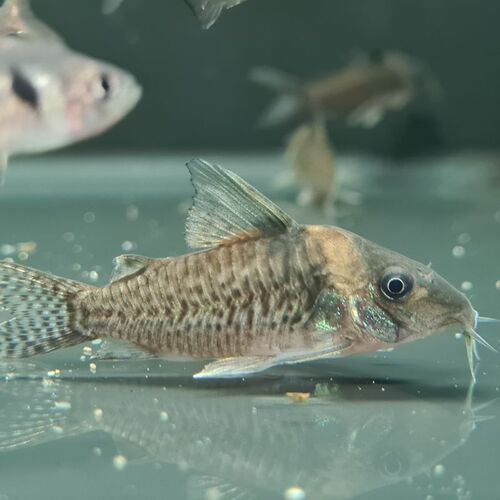
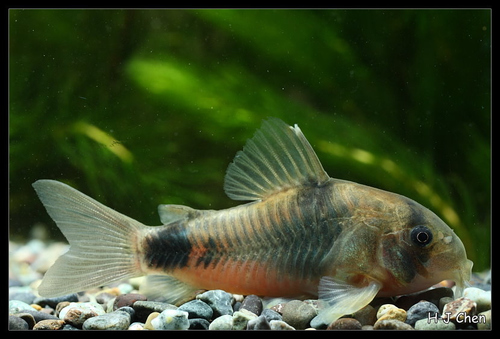
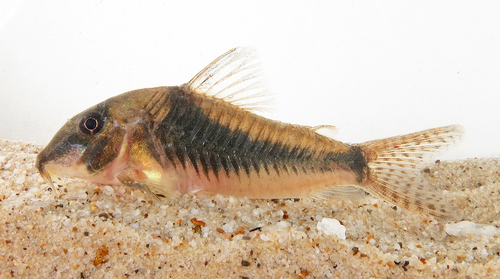
The Long-nosed corydoras is recognized for its distinctive elongated snout, which aids in foraging for food along the riverbed. These fish are relatively small, typically reaching a maximum size of around 6 cm. Their bodies are adorned with a striking pattern of spots and stripes, making them visually appealing to aquarium enthusiasts. They exhibit a peaceful demeanor, making them an excellent choice for community tanks.
Behaviorally, Long-nosed corydoras are social creatures that thrive in groups. They are known for their playful antics and bottom-dwelling lifestyle, often seen scavenging for food in the substrate. Their natural behavior includes burrowing and sifting through the sand, which helps maintain a healthy aquarium environment. This species is also known to display interesting schooling behavior, providing a lively and dynamic presence in any aquarium setup.
In terms of habitat, the Long-nosed corydoras prefers well-planted tanks with ample hiding spots and soft substrates. Its natural environment in the Orinoco River is characterized by warm, slightly acidic waters, which should be replicated in captivity to ensure the health and well-being of this delightful species.
The Long-nosed corydoras is recognized for its distinctive elongated snout, which aids in foraging for food along the riverbed. These fish are relatively small, typically reaching a maximum size of around 6 cm. Their bodies are adorned with a striking pattern of spots and stripes, making them visually appealing to aquarium enthusiasts. They exhibit a peaceful demeanor, making them an excellent choice for community tanks.
Behaviorally, Long-nosed corydoras are social creatures that thrive in groups. They are known for their playful antics and bottom-dwelling lifestyle, often seen scavenging for food in the substrate. Their natural behavior includes burrowing and sifting through the sand, which helps maintain a healthy aquarium environment. This species is also known to display interesting schooling behavior, providing a lively and dynamic presence in any aquarium setup.
In terms of habitat, the Long-nosed corydoras prefers well-planted tanks with ample hiding spots and soft substrates. Its natural environment in the Orinoco River is characterized by warm, slightly acidic waters, which should be replicated in captivity to ensure the health and well-being of this delightful species.
To successfully care for Long-nosed corydoras, it's essential to maintain optimal water parameters. The ideal temperature range is between 22°C to 26°C, with a pH level between 6.0 and 7.5. They thrive in soft, slightly acidic water, so regular water changes and quality filtration are crucial.
Feeding should consist of a varied diet, including high-quality sinking pellets, flakes, and occasional treats like bloodworms or brine shrimp. These fish are omnivorous and appreciate a well-balanced diet to enhance their coloration and overall health. Compatibility-wise, Long-nosed corydoras are peaceful and can be housed with other non-aggressive fish species, making them perfect for community tanks.
When introducing them to a new environment, it’s important to acclimate them slowly to avoid stress. A quarantine period of at least two weeks is recommended before adding them to a main tank to prevent potential diseases from spreading. Providing plenty of hiding spots with plants and decorations will help them feel secure and reduce any stress during the acclimation process.
Feeding should consist of a varied diet, including high-quality sinking pellets, flakes, and occasional treats like bloodworms or brine shrimp. These fish are omnivorous and appreciate a well-balanced diet to enhance their coloration and overall health. Compatibility-wise, Long-nosed corydoras are peaceful and can be housed with other non-aggressive fish species, making them perfect for community tanks.
When introducing them to a new environment, it’s important to acclimate them slowly to avoid stress. A quarantine period of at least two weeks is recommended before adding them to a main tank to prevent potential diseases from spreading. Providing plenty of hiding spots with plants and decorations will help them feel secure and reduce any stress during the acclimation process.
Long-nosed corydoras are suitable for shipping, provided they are packed securely in breathable bags with sufficient oxygen. A packing density of 1 fish per liter is recommended to minimize stress during transit. These fish are sensitive to temperature changes, so maintaining a stable environment is crucial during shipping. As a CITES non-listed species, there are no specific export restrictions, allowing for smooth international trade.
Species Parameters
Max Adult Size
6.0 cm
Origin
Amazon Basin
Diet
omnivore
Temp Min
22.0 °C
Temp Max
26.0 °C
pH Min
6.00
pH Max
7.50
Min Tank
80 L