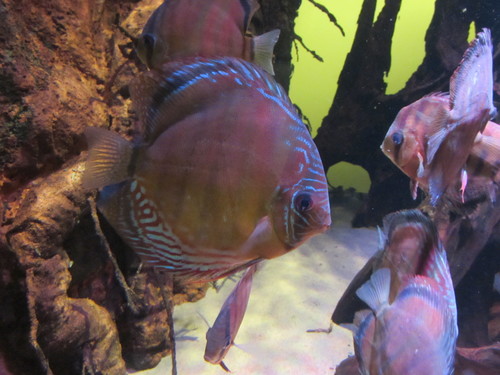
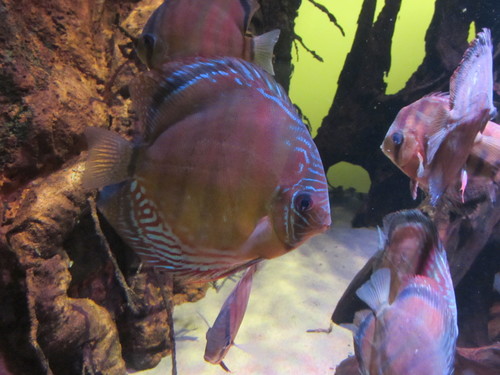
Pigeon Discus (Bio-Secured Bred)
Symphysodon aequifasciatus
In Stock
Common stock
Wild Caught
Experienced care
Not Reef Safe
SKU: 01-W-01-007-04
Discover the beauty of the Pigeon Discus, a stunning freshwater cichlid.
Pricing for Verified Importers
Log in to see wholesale prices and order.
Export Size
up to 15.0 cm
Origin
Amazon Basin
Temperature
25.0–32.0°C
Min. Tank Size
200 L
pH
5.20–7.70
Diet
omnivore
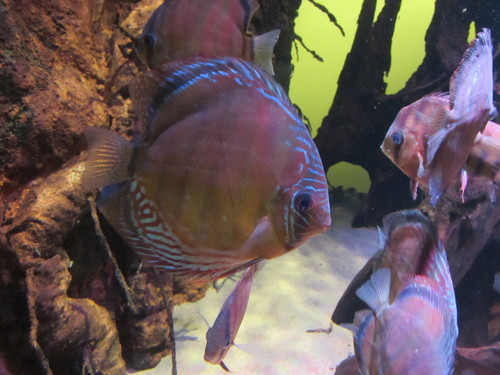
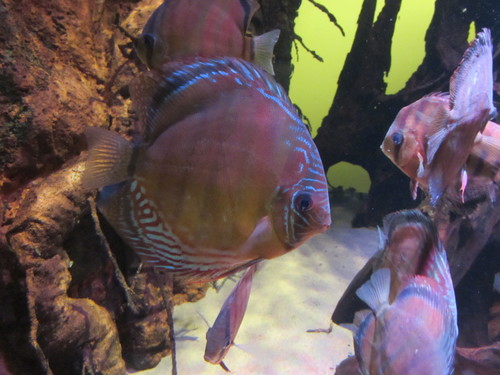
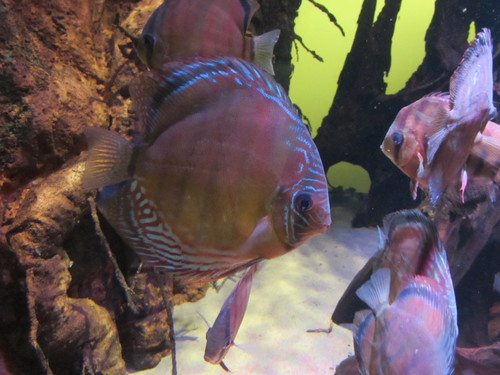
The Pigeon Discus, scientifically known as Symphysodon aequifasciatus, is a striking species of cichlid that originates from the tranquil waters of the Amazon Basin. Known for its vibrant coloration and unique patterns, this species is a favorite among aquarium enthusiasts. The Pigeon Discus showcases a variety of hues, predominantly shades of blue and brown, with distinctive markings that resemble the feathers of a pigeon, hence its name. These patterns not only enhance its aesthetic appeal but also serve as a means of communication among individuals in their natural habitat.
In the wild, Pigeon Discus are typically found in slow-moving waters, often inhabiting floodplains and areas surrounded by lush vegetation. They thrive in soft, acidic waters with temperatures ranging from 25 to 32 degrees Celsius (77 to 90 degrees Fahrenheit). Their preference for lentic environments means they are adapted to live in conditions with minimal suspended material, favoring clear and blackwater systems. This habitat provides them with ample cover from predators and abundant food sources, including small invertebrates and plant matter.
Behaviorally, Pigeon Discus are known for their peaceful demeanor, making them suitable for community tanks when housed with compatible species. They display social interactions through schooling and can often be observed engaging in courtship behaviors. This species is also known for its parental care, with adults actively guarding their fry in the wild. Their gentle nature and captivating behaviors make them a delight to observe in an aquarium setting.
Overall, the Pigeon Discus is not only a beautiful addition to any freshwater aquarium but also a species that requires specific care to thrive. Understanding their natural history and habitat preferences is essential for successful breeding and maintenance in captivity.
In the wild, Pigeon Discus are typically found in slow-moving waters, often inhabiting floodplains and areas surrounded by lush vegetation. They thrive in soft, acidic waters with temperatures ranging from 25 to 32 degrees Celsius (77 to 90 degrees Fahrenheit). Their preference for lentic environments means they are adapted to live in conditions with minimal suspended material, favoring clear and blackwater systems. This habitat provides them with ample cover from predators and abundant food sources, including small invertebrates and plant matter.
Behaviorally, Pigeon Discus are known for their peaceful demeanor, making them suitable for community tanks when housed with compatible species. They display social interactions through schooling and can often be observed engaging in courtship behaviors. This species is also known for its parental care, with adults actively guarding their fry in the wild. Their gentle nature and captivating behaviors make them a delight to observe in an aquarium setting.
Overall, the Pigeon Discus is not only a beautiful addition to any freshwater aquarium but also a species that requires specific care to thrive. Understanding their natural history and habitat preferences is essential for successful breeding and maintenance in captivity.
When caring for Pigeon Discus, maintaining optimal water parameters is crucial. The ideal temperature range for these fish is between 25.0 to 32.0 degrees Celsius, with a pH level between 5.2 and 7.7. Regular water changes and the use of high-quality filtration systems will help maintain water clarity and quality. It's recommended to use softer water to mimic their natural habitat, ensuring a stress-free environment.
In terms of diet, Pigeon Discus are omnivores that thrive on a varied diet. A balanced mix of high-quality pellets, frozen or live foods, and vegetable matter should be provided to ensure their nutritional needs are met. Feeding small amounts multiple times a day will promote healthy growth and coloration.
Compatibility is an important consideration when housing Pigeon Discus. They are best kept in groups of six or more to reduce stress and allow for natural social behaviors. Suitable tank mates include other peaceful cichlids and various community fish. When introducing new fish, acclimation should be done slowly to prevent shock.
Quarantine new arrivals for at least two weeks to monitor for any signs of disease. Providing a well-planted tank with hiding spots will help replicate their natural environment and reduce stress. Regular monitoring of water parameters, along with a proper feeding regimen, will ensure a thriving population of Pigeon Discus in your aquarium.
In terms of diet, Pigeon Discus are omnivores that thrive on a varied diet. A balanced mix of high-quality pellets, frozen or live foods, and vegetable matter should be provided to ensure their nutritional needs are met. Feeding small amounts multiple times a day will promote healthy growth and coloration.
Compatibility is an important consideration when housing Pigeon Discus. They are best kept in groups of six or more to reduce stress and allow for natural social behaviors. Suitable tank mates include other peaceful cichlids and various community fish. When introducing new fish, acclimation should be done slowly to prevent shock.
Quarantine new arrivals for at least two weeks to monitor for any signs of disease. Providing a well-planted tank with hiding spots will help replicate their natural environment and reduce stress. Regular monitoring of water parameters, along with a proper feeding regimen, will ensure a thriving population of Pigeon Discus in your aquarium.
Pigeon Discus are suitable for air shipping, provided proper care is taken during packing. They should be packed in secure, insulated bags to maintain temperature stability, ideally within their preferred range. A maximum density of 1 fish per liter is recommended to minimize stress during transit. These fish are sensitive to temperature fluctuations, so ensure they are shipped during mild weather conditions. Pigeon Discus are not listed under CITES, but compliance with local regulations is necessary.
Species Parameters
Max Adult Size
15.0 cm
Origin
Amazon Basin
Diet
omnivore
Temp Min
25.0 °C
Temp Max
32.0 °C
pH Min
5.20
pH Max
7.70
Min Tank
200 L