Batik Crab
Metasesarma obesum
Out of Stock
Scarce stock
Wild Caught
Moderate care
Not Reef Safe
SKU: 01-F-01-001-20
Discover the vibrant Batik Crab, a unique addition to your aquatic collection.
Pricing for Verified Importers
Log in to see wholesale prices and order.
Export Size
up to 8.0 cm
Origin
Southeast Asia
Temperature
24.0–28.0°C
Min. Tank Size
50 L
Salinity
1.005–1.015 ppt
pH
7.50–8.50
Diet
omnivore
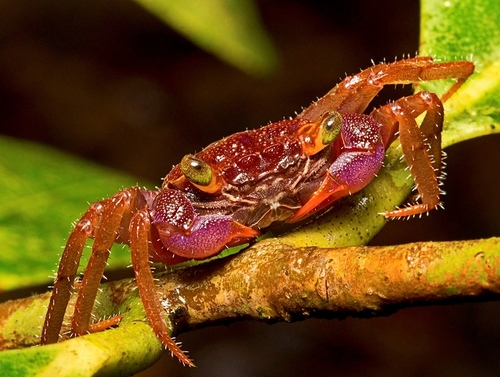
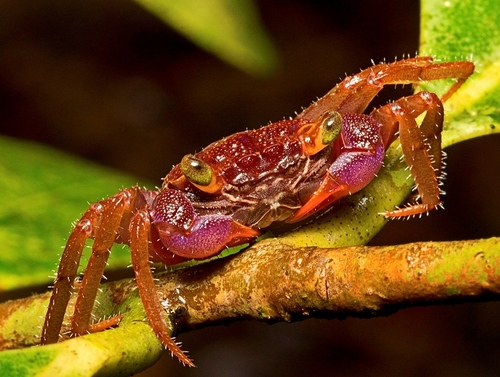
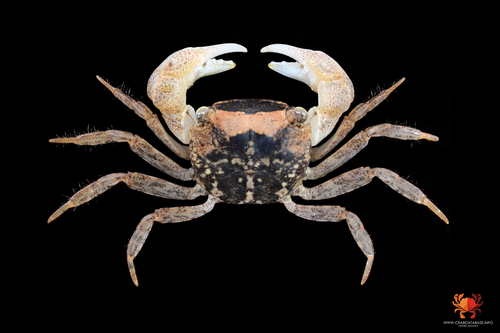
Metasesarma obesum, commonly referred to as the Batik Crab or marble crab, is an intriguing species belonging to the family Sesarmidae. Native to the sandy beaches and brackish waters of Bali and surrounding regions, this crab is notable for its striking coloration and unique pattern resembling batik fabric, which gives it both aesthetic appeal and a distinctive identity in the aquarium trade. Its semi-terrestrial nature allows it to thrive both in water and on land, making it a fascinating specimen for aquarists.
This crab typically exhibits a vibrant coloration ranging from greens to browns, adorned with intricate patterns that serve as effective camouflage against its natural habitat. Adult Batik Crabs can grow up to 6-8 cm in size, with a robust carapace and long, slender legs designed for both swimming and climbing. Their curious and energetic behavior makes them a joy to observe, as they scuttle about their territory in search of food and shelter.
In the wild, Batik Crabs inhabit coastal areas, mangroves, and estuaries where they can access both land and water. They prefer sandy substrates that provide ample hiding spots among rocks and vegetation. Their diet primarily consists of detritus and organic matter, which they scavenge from the substrate. This natural feeding behavior makes them important contributors to the health of their ecosystems, promoting nutrient recycling within their habitat.
With proper care and conditions, the Batik Crab can thrive in a home aquarium, offering a unique interaction for aquarists. Their adaptability to both marine and brackish environments adds to their allure, making them a versatile choice for diverse aquatic setups.
This crab typically exhibits a vibrant coloration ranging from greens to browns, adorned with intricate patterns that serve as effective camouflage against its natural habitat. Adult Batik Crabs can grow up to 6-8 cm in size, with a robust carapace and long, slender legs designed for both swimming and climbing. Their curious and energetic behavior makes them a joy to observe, as they scuttle about their territory in search of food and shelter.
In the wild, Batik Crabs inhabit coastal areas, mangroves, and estuaries where they can access both land and water. They prefer sandy substrates that provide ample hiding spots among rocks and vegetation. Their diet primarily consists of detritus and organic matter, which they scavenge from the substrate. This natural feeding behavior makes them important contributors to the health of their ecosystems, promoting nutrient recycling within their habitat.
With proper care and conditions, the Batik Crab can thrive in a home aquarium, offering a unique interaction for aquarists. Their adaptability to both marine and brackish environments adds to their allure, making them a versatile choice for diverse aquatic setups.
To successfully keep Metasesarma obesum, maintaining appropriate water parameters is crucial. The recommended temperature range is between 24°C to 28°C, with a salinity of 1.005 to 1.015 specific gravity for brackish setups. pH levels should be maintained between 7.5 and 8.5 to replicate their natural habitat. A minimum tank size of 50 liters is suggested to provide ample space for movement and territorial behavior.
Feeding the Batik Crab is relatively straightforward, as they are omnivorous scavengers. A balanced diet of high-quality crab pellets, blanched vegetables, and occasional protein sources such as shrimp or fish flakes will keep them healthy. It’s important to ensure they are not overcrowded to reduce competition for food and stress.
Compatibility-wise, Batik Crabs can be housed with other peaceful species, but caution should be exercised with aggressive fish that may see them as prey. When introducing new crabs to an aquarium, acclimate them slowly over several hours to avoid shock. Quarantine is recommended for new arrivals to prevent potential disease outbreaks within the main tank. Regular water changes and monitoring for waste buildup will further promote a healthy environment for these crabs.
Feeding the Batik Crab is relatively straightforward, as they are omnivorous scavengers. A balanced diet of high-quality crab pellets, blanched vegetables, and occasional protein sources such as shrimp or fish flakes will keep them healthy. It’s important to ensure they are not overcrowded to reduce competition for food and stress.
Compatibility-wise, Batik Crabs can be housed with other peaceful species, but caution should be exercised with aggressive fish that may see them as prey. When introducing new crabs to an aquarium, acclimate them slowly over several hours to avoid shock. Quarantine is recommended for new arrivals to prevent potential disease outbreaks within the main tank. Regular water changes and monitoring for waste buildup will further promote a healthy environment for these crabs.
Batik Crabs are suitable for shipping, provided they are packed securely with adequate moisture and ventilation. Ideal packing density is 2-3 crabs per liter to minimize stress during transit. They are somewhat sensitive to temperature changes, so maintaining a stable temperature between 24°C to 28°C during shipping is essential. This species is not listed under CITES, ensuring smoother export processes.
Species Parameters
Max Adult Size
8.0 cm
Origin
Southeast Asia
Diet
omnivore
Temp Min
24.0 °C
Temp Max
28.0 °C
Salinity Min
1.005
Salinity Max
1.015
pH Min
7.50
pH Max
8.50
Min Tank
50 L