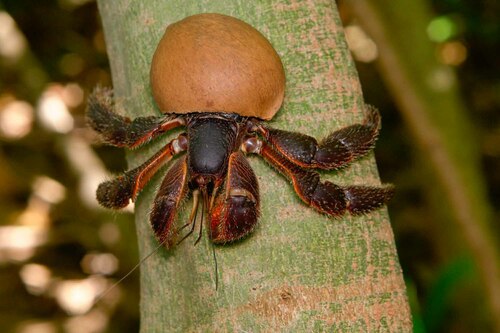
Purple Hermit Crab
Coenobita sp.
Out of Stock
Scarce stock
Wild Caught
Moderate care
Not Reef Safe
SKU: 01-F-01-011-20
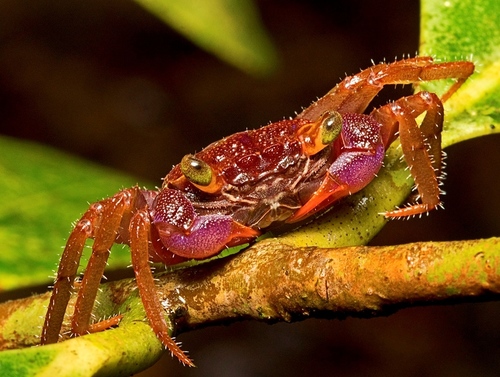
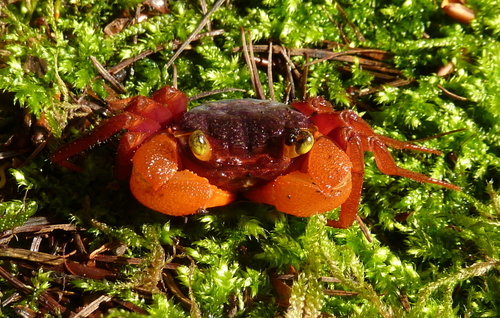
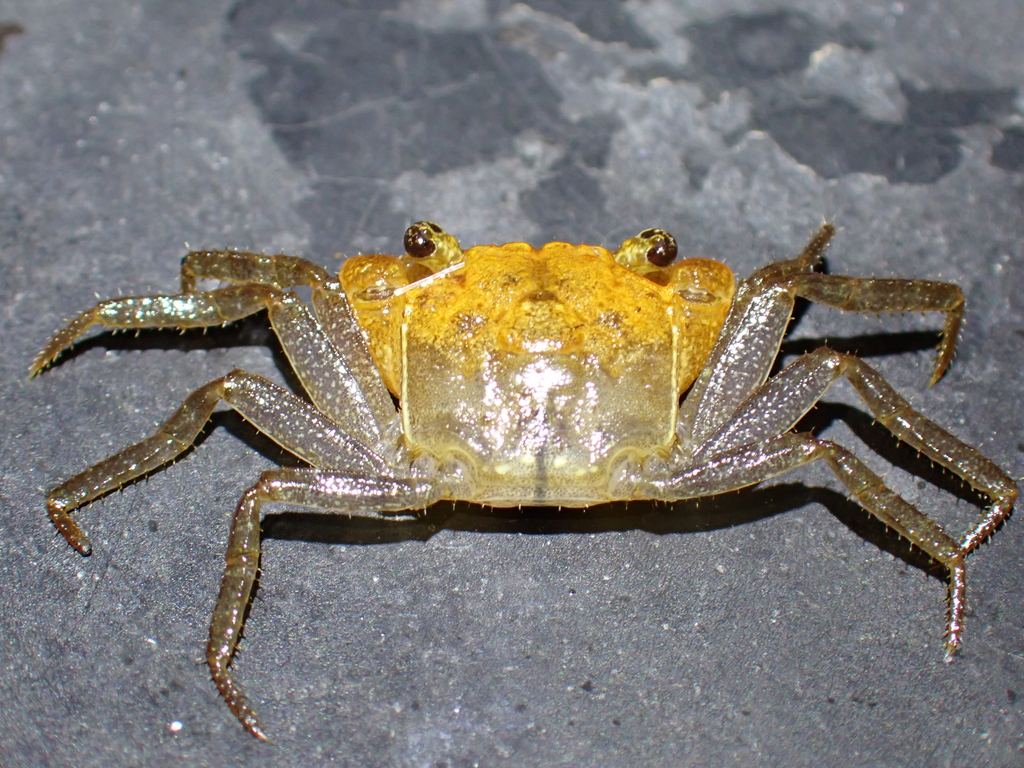
The Purple Hermit Crab stands out with its vibrant coloration and unique shell-hiding behavior.
Pricing for Verified Importers
Log in to see wholesale prices and order.
Export Size
up to 5.0 cm
Origin
Southeast Asia
Temperature
24.0–28.0°C
Min. Tank Size
75 L
pH
8.00–8.40
Diet
omnivore
The Purple Hermit Crab (Coenobita sp.) is a fascinating invertebrate known for its striking purple coloration and engaging personality. These crabs are primarily found in the warm intertidal zones of tropical regions, including the beautiful shores of Bali, Indonesia. They are adept at scavenging and play a vital role in their ecosystems by helping to clean up detritus and organic material. Their vibrant appearance, coupled with their distinctive behavior of occupying shells of other mollusks, makes them a popular choice among aquarium enthusiasts.
In terms of physical characteristics, the Purple Hermit Crab typically showcases a bright purple hue that can vary slightly in intensity. They possess a soft, uncalcified abdomen that they protect by inhabiting empty shells, which they change as they grow. This shell-hiding behavior is not only a survival mechanism but also an intriguing aspect of their natural history, as they are often seen exchanging shells in social interactions with other hermit crabs.
Behaviorally, these crabs are quite social and can be observed engaging in various activities, such as climbing and exploring their environment. They are known to establish hierarchies within their groups, often competing for the best shells. In their natural habitat, they inhabit sandy or rocky substrates, where they can easily find food and suitable shells to inhabit.
Overall, the Purple Hermit Crab adds both color and activity to aquatic environments, making them an excellent addition to community tanks and marine displays. Their intriguing behaviors and vital ecological role make them a species worth highlighting for aquarium importers and wholesalers alike.
In terms of physical characteristics, the Purple Hermit Crab typically showcases a bright purple hue that can vary slightly in intensity. They possess a soft, uncalcified abdomen that they protect by inhabiting empty shells, which they change as they grow. This shell-hiding behavior is not only a survival mechanism but also an intriguing aspect of their natural history, as they are often seen exchanging shells in social interactions with other hermit crabs.
Behaviorally, these crabs are quite social and can be observed engaging in various activities, such as climbing and exploring their environment. They are known to establish hierarchies within their groups, often competing for the best shells. In their natural habitat, they inhabit sandy or rocky substrates, where they can easily find food and suitable shells to inhabit.
Overall, the Purple Hermit Crab adds both color and activity to aquatic environments, making them an excellent addition to community tanks and marine displays. Their intriguing behaviors and vital ecological role make them a species worth highlighting for aquarium importers and wholesalers alike.
For successful care of the Purple Hermit Crab, it's crucial to replicate their natural habitat as closely as possible. Ideally, the water temperature should be maintained between 24°C and 28°C, with a pH level ranging from 8.0 to 8.4. As a marine species, they thrive in a salinity range of 1.020 to 1.025 ppt. A minimum tank size of 75 liters is recommended to provide adequate space for movement and shell exchange.
Feeding these crabs is relatively straightforward, as they are omnivorous. A varied diet that includes high-quality pellets, algae wafers, and fresh vegetables will ensure their health and vitality. It's also essential to supplement their diet with calcium sources, such as crushed coral or calcium-rich foods, to support their shell growth.
In terms of compatibility, Purple Hermit Crabs can coexist with many other marine species but should be monitored to prevent territorial disputes, especially with other crabs. Acclimation should be done slowly over several hours to reduce stress. Quarantine new arrivals for at least two weeks to monitor health and prevent the introduction of diseases into existing tanks.
Feeding these crabs is relatively straightforward, as they are omnivorous. A varied diet that includes high-quality pellets, algae wafers, and fresh vegetables will ensure their health and vitality. It's also essential to supplement their diet with calcium sources, such as crushed coral or calcium-rich foods, to support their shell growth.
In terms of compatibility, Purple Hermit Crabs can coexist with many other marine species but should be monitored to prevent territorial disputes, especially with other crabs. Acclimation should be done slowly over several hours to reduce stress. Quarantine new arrivals for at least two weeks to monitor health and prevent the introduction of diseases into existing tanks.
The Purple Hermit Crab is suitable for shipping, provided that proper care is taken to ensure their safety during transit. A packing density of 1 crab per liter is ideal to minimize stress. They are sensitive to temperature fluctuations, so maintaining a stable temperature between 24°C and 28°C during shipping is crucial. Currently, there are no CITES restrictions on this species, allowing for easier export procedures.
Species Parameters
Max Adult Size
5.0 cm
Origin
Southeast Asia
Diet
omnivore
Temp Min
24.0 °C
Temp Max
28.0 °C
pH Min
8.00
pH Max
8.40
Min Tank
75 L